

The symptoms of fatty liver are usually mild or absent. Most people feel nothing, and when symptoms appear they are vague: tiredness, feeling unwell, or discomfort under the right ribs. Yellow eyes or skin, severe itching or a swollen belly can signal advanced liver damage and need prompt medical attention.
This guide is part of our complete guide to fatty liver disease, known as MASLD (formerly NAFLD). It explains which symptoms are early and which are red flags, and when to see a doctor. It is reviewed under our Editorial & Medical Review Policy.
Key takeaways
- Most people with fatty liver have no symptoms. It is usually found through blood tests or scans done for another reason.
- When symptoms occur, they are vague: tiredness, feeling generally unwell, or discomfort under the right ribs. Many other conditions cause the same feelings.
- Jaundice (yellow eyes or skin), itching, easy bruising and swelling of the belly or legs are later signs, linked to advanced damage (cirrhosis).
- Vomiting blood, very dark or black stools, or sudden confusion are emergencies.
- Because the disease is silent, risk factors such as type 2 diabetes, excess weight and high blood pressure are a better reason to get checked than symptoms.
- A pooled analysis of Indian studies estimated that about 38.6% of adults, roughly one in three, have fatty liver.
Does Fatty Liver Cause Symptoms?
Usually not. Fatty liver is a silent condition, and many people have it for years without knowing. It is most often discovered when blood tests or scans done for another reason show a problem with the liver. Even people with cirrhosis caused by MASH may feel no symptoms.
NIDDK describes fatty liver as usually a silent disease with few or no symptoms. The NHS adds that many people have it without realising and that it is usually found when tests are done for another reason. In the first stage there is fat but no liver damage, which helps explain why there is often nothing to feel.
The silence continues even as the disease advances. NIDDK notes that you may have no symptoms even after cirrhosis develops due to MASH. For that reason, risk factors, not symptoms, are the better prompt to get a liver check, as covered below.
What Are the Early Symptoms of Fatty Liver?
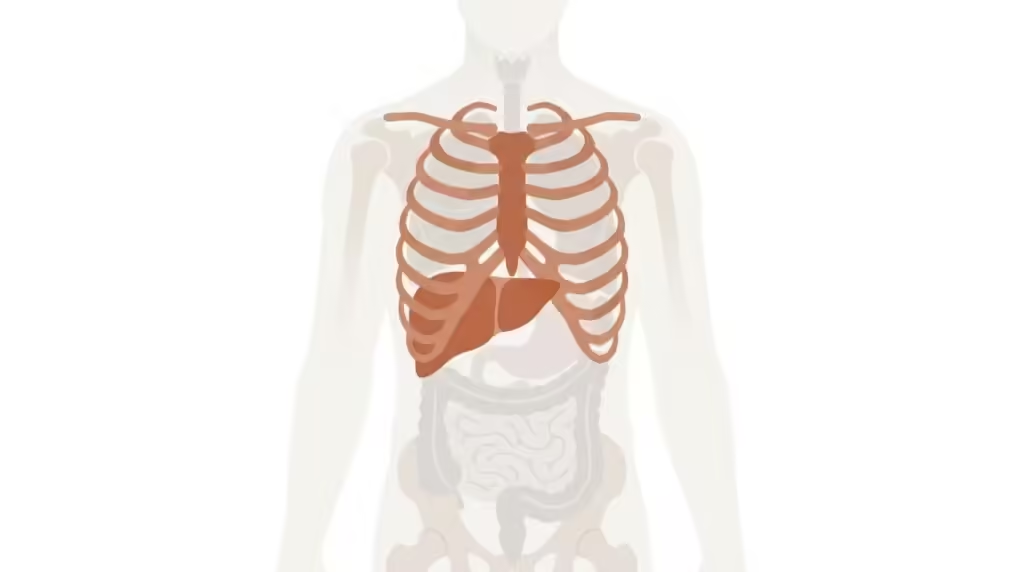
When fatty liver causes symptoms, the most common are feeling very tired, feeling generally unwell, and a dull discomfort in the upper right side of the abdomen, under the ribs. These signs are non-specific and have many other causes, so they cannot confirm fatty liver on their own.
The NHS lists three symptoms that some people with fatty liver have:
- Feeling very tired. Tiredness is common in everyday life, so on its own it points to many possible causes.
- Feeling generally unwell. A vague sense of not feeling right, without a clear cause.
- Liver pain or discomfort. This is felt in the upper right of the abdomen, under the right side of the ribs. NIDDK explains that simple fatty liver can cause pain if the liver becomes enlarged.
What a doctor may notice. During a physical exam, doctors look for an enlarged liver and darkened skin patches over the knuckles, elbows and knees, which can be a sign of insulin resistance. These are signs found on examination, not symptoms you would usually notice yourself.
What Are the Symptoms of Advanced Fatty Liver (MASH and Cirrhosis)?
Symptoms usually appear only when scarring becomes severe (cirrhosis). Early signs include tiredness, loss of appetite, unexplained weight loss, nausea and tummy pain. Later signs include yellow skin or eyes, itching, easy bruising, swelling of the belly or legs, and confusion.
The NHS describes four stages of fatty liver disease. Most people only ever have the first, and a small number progress. What you may notice depends on the stage:
| Stage | What is happening | What you may notice |
|---|---|---|
| 1: Fatty liver (steatosis) | Fat build-up without liver damage | Usually nothing |
| 2: MASH (inflammation) | Fat has caused inflammation; the liver is not yet seriously damaged but it could get worse | Often nothing; some people feel tired or have right-sided discomfort |
| 3: Fibrosis | Scarring damage, but the liver usually still works well | Symptoms may still be absent |
| 4: Cirrhosis | Severe damage that affects how well the liver works | Often none early on; later signs listed below |
Sources for the table: NHS fatty liver page, NHS cirrhosis page and NIDDK.
The NHS lists these early symptoms of cirrhosis:
- feeling tired or unwell all the time
- loss of appetite or losing weight without trying
- feeling or being sick
- tummy pain
- visible blood vessels on the skin
- blotchy red palms (the redness may be harder to see on brown or black skin)
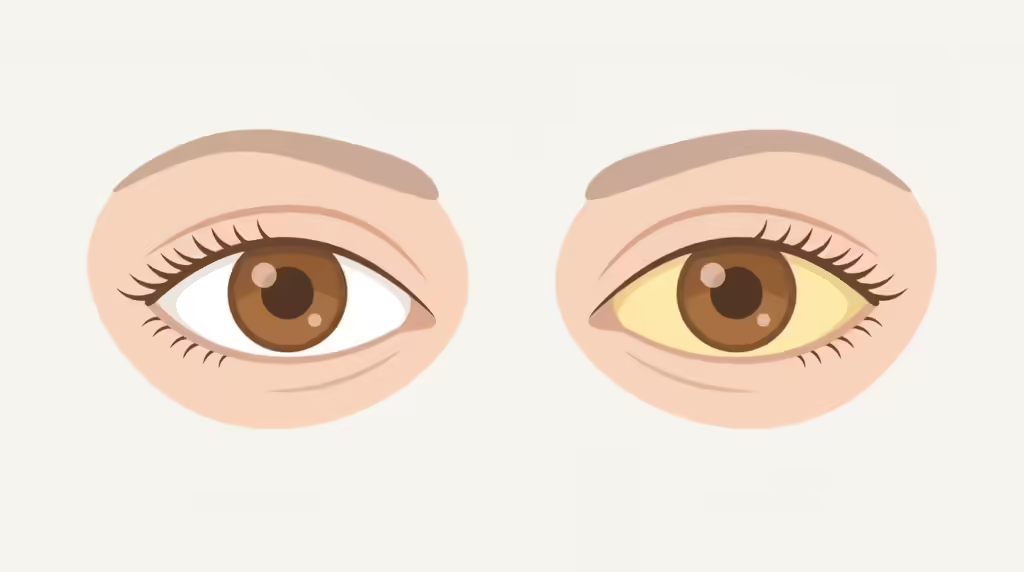
As cirrhosis gets worse, the NHS lists bleeding or bruising easily, itchy skin, wider and curved (clubbed) fingers or white nails, yellow skin and whites of the eyes (jaundice), a swollen tummy, legs, ankles or feet, trembling hands, slurred speech, confusion or difficulty concentrating, vomiting blood, and very dark or black poo.
A note for Indian readers. The NHS points out that yellowing of the skin may be harder to see on brown or black skin. Check the whites of the eyes as well as the skin, ideally in good daylight. To understand what advanced disease can lead to, see the complications of fatty liver.
Which Fatty Liver Symptoms Need Urgent Medical Help?
Vomiting blood, passing very dark or black stools, or sudden confusion or slurred speech need emergency care straight away. New yellowing of the eyes or skin, a swollen belly, legs or ankles, or more breathlessness than usual need an urgent medical assessment.
The British Liver Trust lists vomiting blood, difficulty breathing, very dark or tar-like poo, unusual confusion or difficulty staying awake, and new jaundice as red flags that need hospital care. It adds that they might not be caused by cirrhosis, but they must be checked. The NHS advice for people diagnosed with cirrhosis follows the same pattern:
| Level | Signs | What to do |
|---|---|---|
| Emergency | Vomiting blood; very dark or black stools; sudden confusion, difficulty staying awake or slurred speech | Go to the nearest hospital emergency department now, or call your local emergency number (112 in India). Do not drive yourself; ask someone to take you or call an ambulance. |
| Urgent | New yellow eyes or skin; swollen tummy, legs, ankles or feet; being more short of breath than usual; fever with shivering | Contact a doctor or hospital urgently. |
| Routine | Lasting tiredness, vague discomfort under the right ribs, or any of the risk factors in the next section | Book an appointment with your doctor or a gastroenterologist. |
The emergency and urgent advice above is based on NHS guidance for people already diagnosed with cirrhosis and on the British Liver Trust’s red flags. If you are unsure, treat the symptom as urgent and get it checked.
Who Should Get Checked for Fatty Liver, Even Without Symptoms?
Because fatty liver is silent, risk factors matter more than symptoms. People with type 2 diabetes, excess weight (especially around the waist), high blood pressure or cholesterol, polycystic ovary syndrome (PCOS), or who are over 50 are more likely to have it and can ask a doctor whether a liver check is appropriate.
The NHS lists these groups as more likely to get fatty liver: people who are overweight, especially with a lot of fat around the stomach and waist; those without a healthy diet or regular physical activity; and those with type 2 diabetes, PCOS, high blood pressure or high cholesterol, or who are over 50.
The link with diabetes is strong. NIDDK reports that studies suggest one-third to two-thirds of people with type 2 diabetes have fatty liver. In India, a meta-analysis of Indian studies found an adult prevalence of about 38.6%. European guidelines advise targeted checking in people with type 2 diabetes, central obesity with another metabolic risk factor, or persistently raised liver enzymes, rather than screening everyone.
How Is Fatty Liver Found If There Are No Symptoms?
Fatty liver is usually found through blood tests or scans done for another reason. If liver problems are suspected, a doctor asks about symptoms and alcohol, checks height, weight and waist size, and may arrange further blood tests and an ultrasound of the abdomen.
The NHS describes this process: tests confirm whether there is fat in the liver, rule out other causes, find out whether the liver is damaged, and check for linked conditions such as kidney problems. NIDDK adds that routine imaging can show fat but not inflammation or scarring, so further tests are sometimes needed. For the full list of tests, read how fatty liver is diagnosed.
What Should You Do If You Notice Symptoms?

See a doctor rather than diagnosing yourself, because the symptoms of fatty liver overlap with many other conditions. Avoid unproven liver detox products, and start healthy habits now: a balanced diet, regular exercise and, if you are overweight, gradual weight loss.
- See a doctor. The NHS advises seeing a doctor if you think you could have fatty liver or are at higher risk. A gastroenterologist can assess your liver in more detail.
- Expect a few simple tests. These usually start with a history, a physical exam, blood tests and often an ultrasound.
- Check before taking supplements or herbal remedies. NIDDK warns that some herbal remedies can damage the liver, and the NHS advises checking with a pharmacist or doctor before taking any medicine, including herbal medicines, if the liver is damaged.
- Start healthy habits. The NHS recommends a healthy, balanced diet, at least 150 minutes of exercise a week and weight loss if you are overweight.
Frequently Asked Questions About Fatty Liver Symptoms
Can you have fatty liver without any symptoms?
Yes. Fatty liver usually causes no symptoms, and many people have it without realising. It is most often found when blood tests or scans done for another reason show a liver problem. Even people with cirrhosis from MASH may feel nothing.
Where is fatty liver pain felt?
When fatty liver causes pain, it is usually felt as discomfort in the upper right side of the abdomen, under the ribs, where the liver sits. It can be mild and most people do not have it, so the absence of pain does not rule fatty liver out.
Does fatty liver cause tiredness?
It can. Feeling very tired or generally unwell is one of the symptoms some people with fatty liver report. Tiredness has many other causes, so it cannot confirm fatty liver. A doctor can check your liver with blood tests and imaging if you have risk factors.
Does fatty liver cause itching or yellow eyes?
Not in the early stages. Itchy skin and yellowing of the skin or whites of the eyes (jaundice) are later signs, linked to advanced liver damage (cirrhosis). If you notice them, see a doctor promptly. Jaundice can be harder to see on brown or black skin, so check the whites of the eyes too.
What are the signs that fatty liver is getting worse?
Warning signs of advanced liver damage include loss of appetite, unexplained weight loss, nausea, tummy pain, easy bruising, itching, jaundice, and swelling of the belly, legs or ankles. Vomiting blood, very dark or black stools, or sudden confusion are emergencies. Many people with serious damage have no symptoms, so checks matter if you have risk factors.
When should I see a doctor about fatty liver?
See a doctor if you have symptoms such as lasting tiredness or discomfort under the right ribs, or if you have risk factors such as type 2 diabetes, excess weight, high blood pressure or cholesterol, PCOS, or are over 50. Seek urgent care for vomiting blood, black stools, sudden confusion, or new yellowing of the eyes or skin.
Consult a qualified doctor. This article is educational and does not replace medical advice, diagnosis or treatment. Please speak with a gastroenterologist or your physician about any symptoms or risk factors. To learn how we choose sources and review medical content, read our Editorial & Medical Review Policy.
Sources & References
- NHS. Non-alcoholic fatty liver disease (NAFLD), page last reviewed 31 July 2025
- NHS. Cirrhosis, page last reviewed 10 February 2025
- NIDDK. Symptoms & Causes of NAFLD & NASH (last reviewed April 2021)
- NIDDK. Diagnosis of NAFLD & NASH (last reviewed April 2021)
- NIDDK. Definition & Facts of NAFLD & NASH (last reviewed April 2021)
- NIDDK. Treatment for NAFLD & NASH (last reviewed April 2021)
- British Liver Trust. Symptoms of liver disease, including red flag symptoms
- Elhence A et al. Prevalence of non-alcoholic fatty liver disease in India: a systematic review and meta-analysis. J Clin Exp Hepatol (full text)
- Horn P, Tacke F. Key takeaways from the updated European MASLD guidelines (eGastroenterology 2025), summary via News-Medical
- Rinella ME et al. A multisociety Delphi consensus statement on new fatty liver disease nomenclature. J Hepatol 2023;79(6):1542-1556