
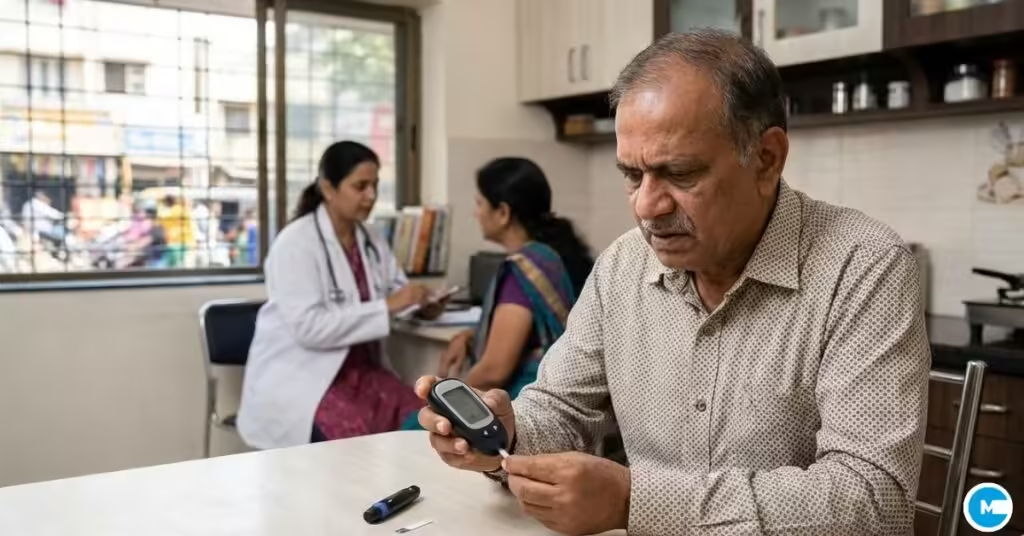
Have you been feeling unusually tired lately? Maybe you’re waking up multiple times at night to use the bathroom? These seemingly minor symptoms could be your body’s way of warning you about diabetes. In India, where over 101 million people live with diabetes, many don’t realize they have it until serious complications develop. The truth is, your body gives you warning signs—you just need to know what to look for.
According to the Indian Council of Medical Research (ICMR), nearly 50% of Indians with diabetes are undiagnosed. This means millions of people are walking around with dangerously high blood sugar levels without knowing it. Early detection can prevent heart disease, kidney damage, vision loss, and other life-threatening complications.
In this article, you’ll discover the 10 most common early symptoms of diabetes that Indians frequently ignore or attribute to other causes. Understanding these signs could save your life or the life of someone you love.
Why Indians Are at Higher Risk for Diabetes
Before we dive into the symptoms, it’s important to understand why Indians are particularly vulnerable to diabetes. Research published in The Lancet shows that South Asians develop Type 2 diabetes at younger ages and lower body weights compared to Europeans.
Factors Affecting Indians:
- Genetic predisposition: Indians have a higher tendency toward insulin resistance
- Body fat distribution: We accumulate more visceral (belly) fat, which is closely linked to diabetes
- Dietary changes: Shift from traditional whole grains to refined carbohydrates
- Sedentary lifestyle: Increase in desk jobs and decrease in physical activity
- Urban migration: Changed eating patterns and stress levels
Understanding your risk helps you stay vigilant about symptoms.
The 10 Early Warning Signs of Diabetes
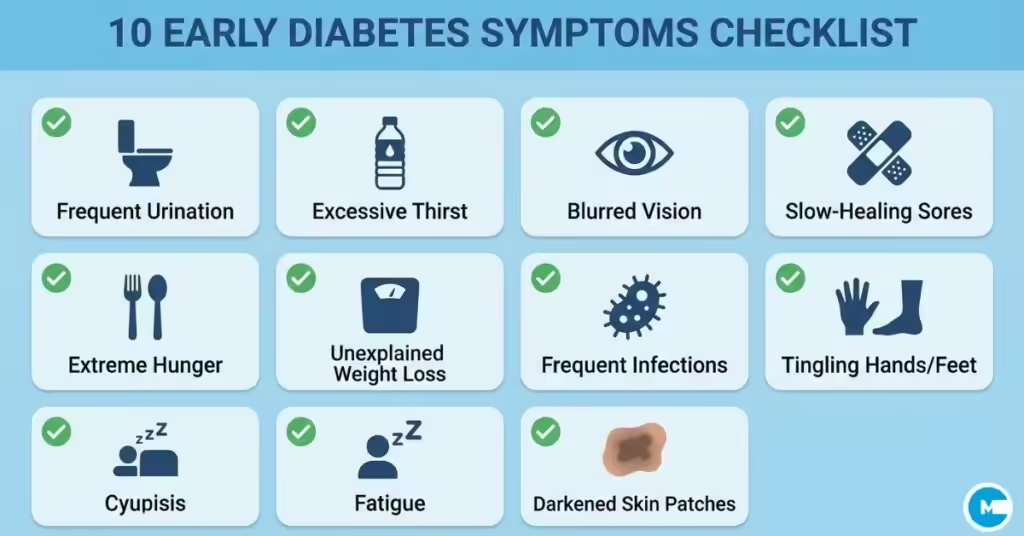
1. Frequent Urination (Polyuria) – Especially at Night
This is often the first symptom people notice. If you’re making 3-4 trips to the bathroom at night or urinating more than 7-8 times during the day, it’s time to pay attention.
What’s Happening: When blood sugar rises above 180 mg/dL, your kidneys can’t reabsorb all the excess glucose. To flush it out, your kidneys draw water from your tissues, producing more urine. This is why diabetics urinate frequently, even if they haven’t been drinking much water.
Indian Context: Many Indians, especially older adults, dismiss this as a natural part of aging or blame it on drinking too much chai or water before bed. However, if this symptom appears suddenly and persists for more than a week, it’s a red flag.
When to Worry:
- Waking up 3+ times at night to urinate
- Urinating more than every 2 hours during the day
- Large volumes of urine each time
- Symptom persists for more than 2 weeks
2. Excessive Thirst (Polydipsia) – Never Feeling Satisfied
Do you feel thirsty even after drinking a full glass of water? This constant, unquenchable thirst is a classic diabetes symptom that often accompanies frequent urination.
What’s Happening: Frequent urination leads to dehydration. Your body tries to replenish lost fluids by making you feel intensely thirsty. It’s a vicious cycle—you drink more, which leads to more urination, which makes you thirstier.
Indian Context: In India’s hot climate, people often attribute excessive thirst to the weather or spicy food. While these factors do increase thirst, diabetic thirst is different—it’s persistent and doesn’t go away even after drinking plenty of fluids.
What It Feels Like:
- Dry mouth even after drinking water
- Craving cold water constantly
- Waking up at night desperately thirsty
- Feeling like you can’t drink enough
3. Unexplained Weight Loss – Losing Weight Despite Eating Normally
This symptom catches many Indians off guard. You’re eating the same amount (or even more), but the numbers on the scale keep dropping.
What’s Happening: When your cells can’t access glucose for energy due to insulin problems, your body starts breaking down muscle and fat instead. This leads to weight loss despite normal or increased eating. Additionally, the calories from glucose are being lost in urine instead of being used by your body.
Indian Context: Some people initially feel happy about losing weight, thinking their diet is finally working. But if you’re losing 4-5 kg in a month without trying, especially if you’re eating normally, this is a serious warning sign.
Red Flags:
- Losing more than 5% of body weight in 1-2 months
- Clothes becoming loose despite normal eating
- Weight loss accompanied by increased hunger
- Loss of muscle mass, not just fat
4. Constant Fatigue and Weakness – Tired All the Time
Feeling exhausted even after a full night’s sleep? Struggling to get through your workday without feeling drained? This persistent fatigue is one of the most commonly ignored diabetes symptoms.
What’s Happening: Without enough insulin or with insulin resistance, glucose can’t enter your cells to provide energy. It’s like having a full tank of gas but no way to get it to the engine. Your cells are literally starving for fuel, leaving you feeling perpetually tired.
Indian Context: Many Indians attribute this fatigue to work stress, family responsibilities, or the hot weather. While these factors contribute to tiredness, diabetic fatigue is different—it’s constant, doesn’t improve with rest, and interferes with daily activities.
Distinguishing Features:
- Exhaustion that doesn’t improve after rest
- Difficulty concentrating or brain fog
- Feeling weak and shaky
- Needing frequent naps during the day
- Struggling with routine tasks that were previously easy
5. Blurred Vision – Difficulty Focusing Your Eyes
Are you having trouble reading text messages on your phone? Do distant objects seem fuzzy? Vision changes are often an early sign of diabetes that people mistake for normal aging or eye strain.
What’s Happening: High blood sugar causes the lens of your eye to swell by pulling fluid from surrounding tissues. This swelling changes the shape of the lens, affecting your ability to focus. The good news is that this is often reversible in early stages if blood sugar is controlled.
Indian Context: Many Indians rush to get new eyeglasses when their vision changes, without considering diabetes as a cause. If your prescription keeps changing every few months, or if you’re under 40 and experiencing sudden vision changes, get your blood sugar tested.
Warning Signs:
- Difficulty reading or seeing fine details
- Objects appear fuzzy or out of focus
- Vision fluctuates (better some days, worse others)
- Difficulty with night vision
- Seeing floaters or dark spots
Important: Untreated diabetes can lead to diabetic retinopathy, a leading cause of blindness. Don’t ignore vision changes.
6. Slow Healing Wounds and Frequent Infections
Have you noticed that cuts, bruises, or scratches take weeks to heal? Are you getting frequent skin infections, urinary tract infections, or yeast infections?
What’s Happening: High blood sugar weakens your immune system and damages blood vessels, reducing circulation. This makes it harder for your body to fight infections and repair damaged tissue. Bacteria and fungi thrive in high-sugar environments, making infections more common and harder to treat.

Indian Context: This is particularly dangerous in India’s tropical climate where minor cuts can easily get infected. Many Indians don’t connect recurring infections with diabetes, treating each infection separately without addressing the underlying cause.
Common Infections in Diabetics:
- Urinary tract infections (UTIs), especially in women
- Fungal infections in skin folds (underarms, groin, under breasts)
- Gum disease and dental infections
- Skin boils or carbuncles
- Yeast infections (vaginal in women)
- Foot infections from minor cuts
Red Flags:
- Wound taking more than 2 weeks to heal
- Same type of infection recurring multiple times
- Infections that don’t respond well to treatment
- Multiple infections at once
7. Tingling, Numbness, or Burning in Hands and Feet
Do your feet feel like they’re “asleep” or tingling? Do you experience burning sensations, especially at night? This is called peripheral neuropathy, and it’s a sign that high blood sugar is damaging your nerves.
What’s Happening: Prolonged exposure to high blood sugar damages the small blood vessels that supply nerves, particularly in your extremities. This nerve damage starts with tingling or numbness and can progress to severe pain or complete loss of sensation.
Indian Context: Many Indians ignore these symptoms or attribute them to vitamin deficiencies or poor circulation. While these can be contributing factors, if you have other diabetes symptoms along with nerve issues, diabetes is likely the culprit.
Symptoms to Watch For:
- Tingling or “pins and needles” sensation
- Numbness in feet or hands
- Burning pain, especially at night
- Increased sensitivity to touch
- Sharp, shooting pains
- Weakness in legs or arms
- Difficulty sensing hot or cold temperatures
Danger: Loss of sensation in feet can lead to unnoticed injuries that become serious infections. This is why foot care is critical for diabetics.
8. Dark Patches on Skin (Acanthosis Nigricans)
Have you noticed dark, velvety patches of skin on your neck, armpits, groin, or elbows? This condition, called acanthosis nigricans, is strongly associated with insulin resistance and prediabetes.
What’s Happening: High insulin levels stimulate skin cells to reproduce rapidly, and the excess skin contains melanin, giving it a dark, thickened appearance. This is particularly common among Indians due to our genetic predisposition to insulin resistance.
Indian Context: Many people think these dark patches are just dirt or poor hygiene and try to scrub them away. Others mistake it for a fungal infection. However, if scrubbing doesn’t remove the darkness and the skin feels thick and velvety, it’s likely acanthosis nigricans.
Common Locations:
- Back and sides of neck
- Armpits
- Groin area
- Elbows and knees
- Knuckles (appearing darker)
- Under breasts
Important: This is often one of the earliest visible signs of diabetes or prediabetes, sometimes appearing years before blood sugar levels reach diabetic range.
9. Increased Hunger (Polyphagia) – Always Feeling Hungry
Are you hungry again just an hour after eating a full meal? Do you find yourself constantly snacking? Excessive hunger, especially when combined with weight loss, is a classic diabetes symptom.
What’s Happening: When glucose can’t enter your cells, your brain receives signals that your body is starving, even though there’s plenty of glucose in your blood. This triggers intense hunger. You eat more, blood sugar rises further, but your cells still don’t get the energy they need.
Indian Context: In Indian culture, good appetite is often seen as a sign of health. Parents encourage children and spouses to eat more. However, if you’re constantly hungry despite eating regular, substantial meals, it’s not a healthy appetite—it’s a warning sign.
Distinguishing Features:
- Hungry shortly after eating a full meal
- Cravings for sweets or carbohydrates
- Feeling weak or shaky if you don’t eat frequently
- Eating more but losing weight
- Never feeling satisfied after eating
10. Recurring Gum Problems and Dental Issues
Are your gums swollen, red, or bleeding when you brush? Do you have frequent tooth infections or abscesses? Oral health problems are often overlooked as diabetes symptoms.
What’s Happening: High blood sugar creates an ideal environment for bacteria in your mouth. It also weakens your immune system’s ability to fight infections and slows healing. Additionally, diabetes can reduce saliva production, leading to dry mouth and more bacterial growth.
Indian Context: Many Indians don’t visit dentists regularly and attribute gum problems to poor brushing or lack of dental care. While oral hygiene is important, if you’re brushing regularly but still having persistent gum problems, check your blood sugar.
Symptoms to Watch:
- Red, swollen, or tender gums
- Bleeding gums when brushing or flossing
- Receding gums (teeth appearing longer)
- Persistent bad breath
- Loose teeth
- Frequent mouth infections or abscesses
- Dry mouth
How Many Symptoms Mean You Should Get Tested?
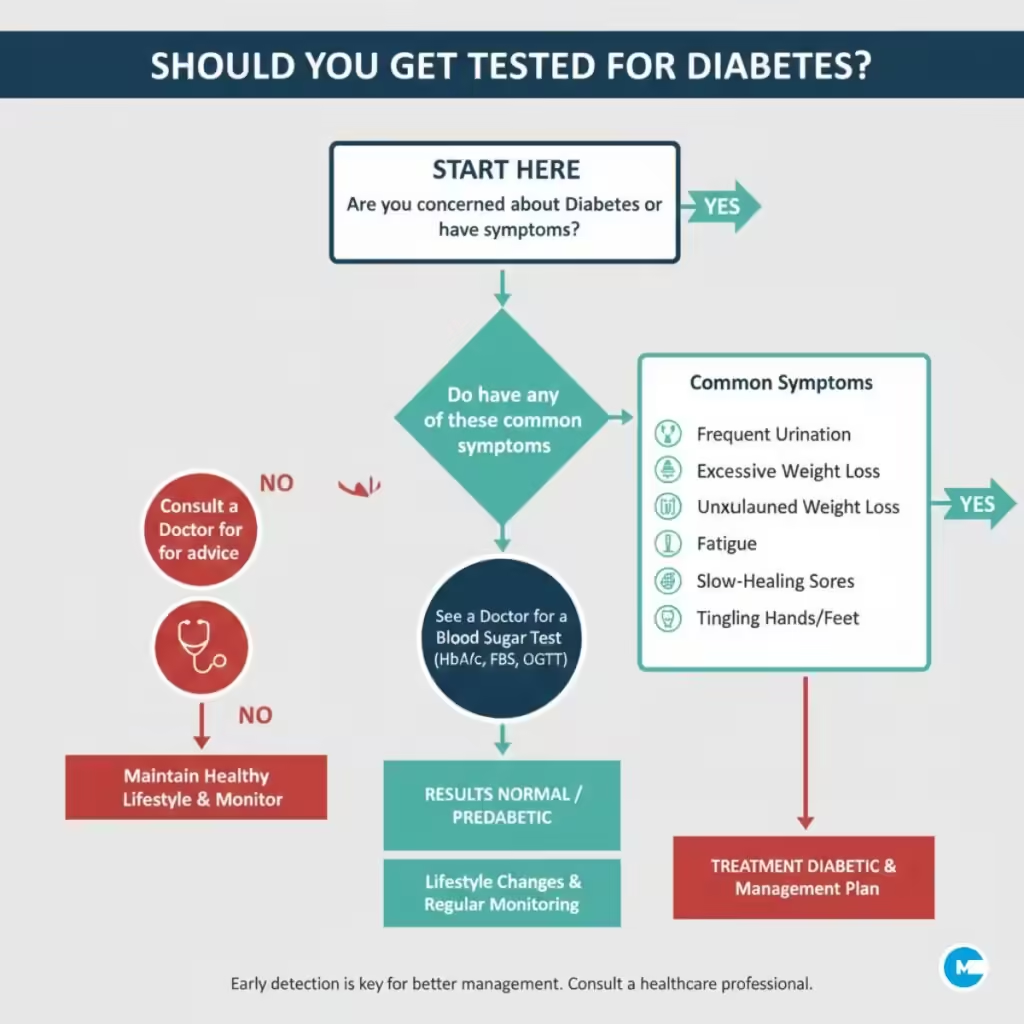
You don’t need to have all 10 symptoms to have diabetes. In fact, some people have no noticeable symptoms at all, especially in early stages.
Get tested immediately if:
- You have 3 or more of these symptoms
- You have even 1-2 symptoms AND risk factors (family history, over 35, overweight, PCOS)
- You have symptoms that have appeared suddenly or worsened over weeks
- You have severe symptoms like significant weight loss or vision changes
Testing Options in India:
- Government hospitals: Free or minimal cost (₹10-50)
- Private labs: Fasting Blood Sugar (₹50-150), HbA1c (₹300-600)
- Home collection: Available in most cities through Thyrocare, Dr. Lal PathLabs, Metropolis
For a comprehensive guide on diabetes testing, including which tests to get and how to interpret results, read our detailed article: Complete Guide to Diabetes Management in India.
What to Do If You Have These Symptoms
Step 1: Don’t Panic Having these symptoms doesn’t automatically mean you have diabetes. Many conditions can cause similar symptoms. However, it does mean you need to get tested.
Step 2: Get Tested Schedule a fasting blood sugar test and HbA1c test with your doctor or at a diagnostic lab. These tests are affordable and widely available across India.
Step 3: See a Doctor Even if your test results are normal but symptoms persist, consult a doctor. Sometimes early diabetes doesn’t show up clearly in basic tests.
Step 4: Take Action If diagnosed with diabetes or prediabetes, don’t despair. With proper management through diet, exercise, and medication if needed, you can live a full, healthy life. Learn more in our Complete Guide to Diabetes Management in India.
Prevention: Can You Avoid Diabetes?
If you have prediabetes or are at high risk, lifestyle changes can delay or prevent Type 2 diabetes:
Evidence-Based Prevention Strategies:
- Lose 5-7% of body weight if overweight (just 3-5 kg for most people)
- Exercise 30 minutes daily – even brisk walking helps significantly
- Eat more whole grains and vegetables, less refined carbohydrates
- Limit sugary drinks completely
- Manage stress through yoga, meditation, or deep breathing
- Get 7-8 hours of sleep nightly
- Regular health checkups if you have risk factors
For specific guidance on reversing prediabetes, read our article: Prediabetes in India: How to Reverse It Before It’s Too Late.
Frequently Asked Questions
Can you have diabetes without any symptoms? Yes, absolutely. Type 2 diabetes often develops gradually, and many people have no symptoms in early stages. This is why regular screening is important if you have risk factors. According to ICMR, about 50% of Indians with diabetes are undiagnosed.
Are diabetes symptoms the same for men and women? Most symptoms are the same, but women may experience additional symptoms like frequent yeast infections, vaginal itching, and PCOS-related issues. Women with gestational diabetes during pregnancy are at higher risk for Type 2 diabetes later.
Can stress cause these symptoms even without diabetes? Stress can cause fatigue, frequent urination (anxiety-related), and other symptoms. However, stress alone doesn’t cause the complete cluster of diabetes symptoms. If you have multiple symptoms, testing is important regardless of stress levels.
How quickly do diabetes symptoms appear? Type 1 diabetes symptoms appear suddenly, often over weeks. Type 2 diabetes symptoms develop gradually over months or years. Some people have symptoms for years before diagnosis.
At what age should Indians start screening for diabetes? The American Diabetes Association recommends screening all adults over 35. However, for Indians with risk factors (family history, obesity, PCOS), screening should start at age 25 or even earlier.
Conclusion: Listen to Your Body
Your body is constantly communicating with you. These 10 symptoms are your body’s way of saying something is wrong. Early detection of diabetes can prevent serious complications like heart disease, kidney failure, vision loss, and amputations.
Remember These Key Points:
- Don’t ignore multiple symptoms, especially if they persist
- Indians are at higher risk and should be extra vigilant
- Testing is simple, affordable, and widely available
- Early detection and management can prevent complications
- Many people reverse prediabetes with lifestyle changes
If you recognize these symptoms in yourself or a loved one, take action today. A simple blood test could save your life.
Take the Next Step
Immediate Actions:
- Book a diabetes screening test this week
- Start a symptom diary to track patterns
- Read our comprehensive guide: Complete Diabetes Management in India
- Share this article with family members who may be at risk
Related Reading:
Medical Disclaimer
This article is for informational purposes only and should not replace professional medical advice, diagnosis, or treatment. The symptoms described can be caused by various conditions, not just diabetes. Always consult a qualified healthcare provider for proper diagnosis and treatment. If you experience severe symptoms like extreme fatigue, significant weight loss, or vision problems, seek medical attention immediately.
References
- Indian Council of Medical Research (ICMR). ICMR-INDIAB Study on Diabetes Prevalence in India. 2023.
- World Health Organization. Diabetes Fact Sheet.
- American Diabetes Association. Standards of Medical Care in Diabetes. Diabetes Care. 2024;47(Supplement 1).
- The Lancet. Diabetes in South Asia. 2023;402(10395).