
Your heart’s racing. Your mind won’t stop spinning. You can’t sleep. But is this just stress from a tough week at work, or could it be something more?
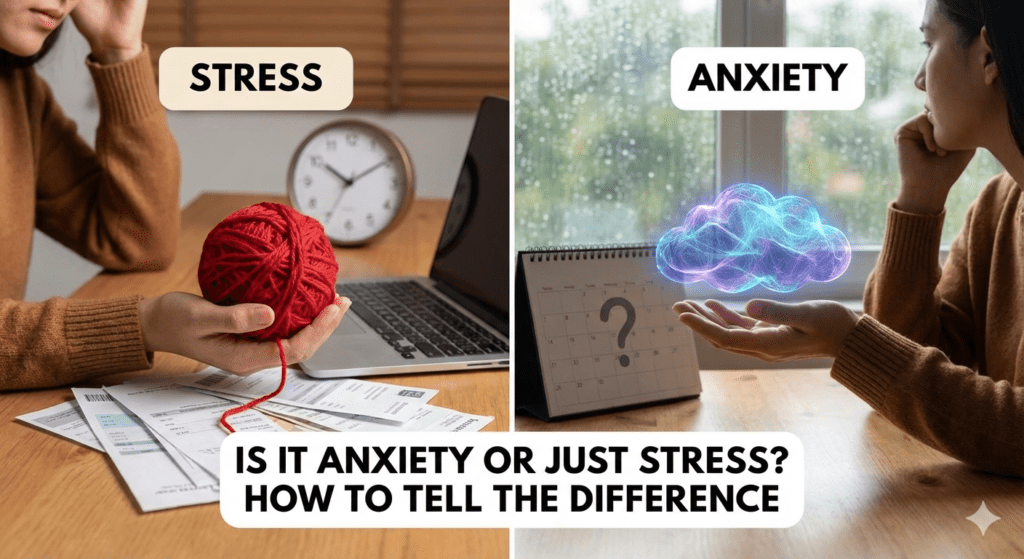
If you’ve ever wondered whether what you’re feeling is normal stress or actual anxiety, you’re asking the right question. While the two share many similarities, understanding the difference between stress and anxiety can help you find the right path forward—and know when it’s time to seek help.
Let’s break down what sets these two apart, what triggers them in modern life, and most importantly, what you can do about it.
Stress vs. Anxiety: The Simple Explanation
At their core, stress and anxiety are your body’s natural responses to perceived threats. But here’s the key difference:
Stress is your reaction to something happening right now. It’s tied to a specific external trigger—a tight deadline, an argument with your partner, financial pressure, or a challenging project at work. According to the American Psychological Association, stress involves changes affecting nearly every system of the body and typically fades once the situation is resolved.
Anxiety is your body’s reaction to stress—but it sticks around. It’s a future-oriented feeling that can persist even when there’s no obvious threat. Research shows that anxiety can linger and sometimes seem as if nothing specific is triggering it, making it harder to manage than short-term stress.
Think of it this way: Stress is standing on a diving board, nervous about jumping. Anxiety is lying in bed at night, worrying about jumping off that diving board next week—or worrying that you might need to jump off a diving board someday, even though you have no plans to go near a pool.
Common Signs: Is It Stress or Anxiety?
Both conditions share overlapping symptoms, which is why they’re often confused. Let’s look at what each typically feels like.
Signs You’re Dealing with Stress
When you’re stressed, you might experience:
- Tension or pressure related to a specific situation
- Irritability or frustration
- Difficulty concentrating on the task at hand
- Physical symptoms like headaches, muscle tension, or upset stomach
- Sleep difficulties while the stressor persists
- Relief once the situation resolves
The National Institute of Mental Health explains that stress is the physical or mental response to an external cause, such as having a lot of homework or dealing with an illness.
Signs You’re Experiencing Anxiety
Anxiety looks and feels different. According to the National Center for Biotechnology Information, anxiety manifests through both cognitive and physiological symptoms including:
Mental and emotional symptoms:
- Persistent, excessive worry about various aspects of life
- Feeling of dread or impending doom
- Difficulty controlling worry
- Restlessness or feeling on edge
- Difficulty concentrating
- Anticipating the worst outcomes
Physical symptoms:
- Rapid heartbeat or palpitations
- Shortness of breath or rapid breathing
- Sweating, hot flashes, or chills
- Trembling or shaking
- Nausea or upset stomach
- Dizziness or lightheadedness
- Muscle tension and aches
- Chronic fatigue
Harvard Health notes that anxiety can produce such intense physical symptoms that people often don’t realize they were anxious to begin with—they become fixated on the physical effects, like chest tightness or headaches.
The critical distinction? Cleveland Clinic research shows that anxiety interferes with your ability to function and often reacts to situations out of proportion to the actual danger, while stress is typically proportional to the stressor itself.
Modern Life Triggers: Why We’re All So Stressed (and Anxious)
Life in 2026 comes with unique challenges that fuel both stress and anxiety. Understanding these triggers is the first step toward managing them.
The Social Media Effect
Social media has fundamentally changed how we experience stress and anxiety. According to recent research published in PMC, constant alerts, comparisons, and information feeds trigger initial stress reactions, then “meta-stress” kicks in as users stress over being so stressed.
Data shows that 72% of Gen Z report that social media increases their anxiety, with the average adult checking their phone 144 times per day. The endless comparison game—seeing everyone else’s curated highlight reel—creates persistent anxiety about measuring up.
The Always-On Culture
The blurring of work-life boundaries creates chronic stress that can evolve into anxiety. With smartphones keeping us perpetually connected, true downtime has become rare. This “always-on” culture contributes to stress, emotional exhaustion, and eventually burnout.
Information Overload
We’re exposed to more news, updates, and information in a single day than previous generations encountered in months. Pew Research Center found that social media users are more aware of stressful events in their friends’ and family members’ lives, which can contribute to the stress in their own lives.
Financial Pressures
Economic uncertainty, rising costs of living, student debt, and job instability create persistent stressors that can transform into chronic anxiety when they feel uncontrollable.
Health Concerns
The lingering effects of the pandemic era, along with increased health awareness (sometimes manifesting as “cyberchondria” from excessive online health searches), contribute to ongoing health-related anxiety.
Natural Coping Strategies That Actually Work
Whether you’re dealing with stress or anxiety, these evidence-based strategies can help you regain control.
Practice Deep Breathing
When anxiety or stress hits, your breathing becomes shallow and rapid. The Anxiety and Depression Association of America recommends deep breathing techniques as a frontline defense. Try the 4-7-8 method: breathe in for 4 counts, hold for 7, exhale for 8.
Deep breathing activates your body’s relaxation response, countering the fight-or-flight reaction that stress and anxiety trigger.
Move Your Body
A 6-week study of 185 university students found that participating in aerobic exercise just 2 days per week significantly reduced overall perceived stress. Exercise releases endorphins, improves sleep quality, and provides a healthy outlet for nervous energy.
You don’t need intense workouts—even a 10-minute walk can make a difference.
Limit Screen Time and News Consumption
The CDC recommends taking breaks from news and social media, noting that constant exposure to negative information can be upsetting and contribute to anxiety.
Set boundaries: designate specific times for checking social media and news, and stick to them. Create phone-free zones, especially in your bedroom and during meals.
Practice Mindfulness and Meditation
Mindfulness teaches you to focus on the present moment rather than worrying about the future or dwelling on the past. Studies show meditation has a positive effect on symptoms in people with generalized anxiety disorder.
Start with just 5-10 minutes daily using apps or guided meditations, then gradually increase your practice.
Prioritize Sleep
Quality sleep is non-negotiable for managing both stress and anxiety. Mayo Clinic Health System emphasizes developing a routine where you’re physically active most days, as exercise is a powerful stress reducer that improves mood and promotes better sleep.
Create a consistent sleep schedule, keep your bedroom cool and dark, and avoid screens for at least 30 minutes before bed.
Connect with Others
Face-to-face interaction triggers hormones that counteract your body’s stress response. Research shows that spending quality time with people who make you feel safe and understood is one of nature’s most effective stress relievers.
Don’t isolate yourself—reach out to friends, family, or support groups when you’re struggling.
Try Progressive Muscle Relaxation
This technique involves tensing and relaxing each muscle group from your toes to your head. It helps release the physical tension that accumulates during stress and anxiety, promoting overall relaxation.
Keep a Journal
Writing down your thoughts, worries, and feelings helps you process emotions and identify patterns in what triggers your stress or anxiety. Beyond Blue recommends keeping a diary of when you feel calm or anxious to identify what works to reduce anxiety and what makes it worse.
Maintain a Healthy Lifestyle
Your physical health directly impacts your mental health. Evidence shows that a healthy diet incorporating vegetables, fruits, whole grains, and fish may be linked to reduced anxiety. Additionally, limiting alcohol, caffeine (especially after mid-afternoon), and avoiding recreational drugs all support better mental health.
When Professional Help Is Needed
While these coping strategies are powerful, sometimes they’re not enough. Here’s when it’s time to talk to a professional.
Red Flags That Warrant Professional Help
According to mental health experts, seek help if:
Duration matters: If anxiety or stress has persisted for more than 2-4 weeks without improvement, it’s time to consult a healthcare provider. Research indicates that if you’ve been experiencing these feelings consistently for several weeks, you should seek support.
Interference with daily life: When anxiety affects your ability to work, study, engage in social activities, or perform daily tasks, it’s a clear sign that professional intervention is needed.
Physical health impact: Persistent anxiety can lead to chronic physical symptoms including headaches, chronic fatigue, digestive issues, and cardiovascular problems.
Panic attacks: Experiencing repeated panic attacks—sudden, intense episodes of fear with physical symptoms like pounding heart, sweating, or difficulty breathing—indicates you need professional support.
Avoidance behaviors: If you’re avoiding people, places, or situations due to fear or anxiety, this limiting behavior suggests anxiety is taking control of your life.
Substance use as coping: Turning to alcohol, drugs, or medication to manage anxiety is a serious red flag requiring immediate professional help.
Impact on relationships: When irritability, emotional instability, or anxiety-driven behaviors are affecting your relationships with family, friends, or colleagues, intervention can help.
Suicidal thoughts: If you’re having thoughts of self-harm or suicide, seek immediate help by calling or texting 988 for the Suicide & Crisis Lifeline, or call 911 in life-threatening situations.
Treatment Options Available
The good news? Anxiety disorders are highly treatable. Common effective treatments include:
Psychotherapy: Cognitive behavioral therapy (CBT) is the most effective form of psychotherapy for anxiety, teaching you different ways of thinking, behaving, and reacting to situations. Other effective therapies include Dialectical Behavior Therapy (DBT), Acceptance and Commitment Therapy (ACT), and Exposure Therapy.
Medication: Antidepressants like SSRIs (Selective Serotonin Reuptake Inhibitors) and SNRIs (Serotonin-Norepinephrine Reuptake Inhibitors) are commonly prescribed for anxiety disorders. Your doctor will work with you to find the right medication and dosage.
Combination approach: Many people benefit most from combining therapy with medication, along with lifestyle changes and coping strategies.
Taking the First Step
Understanding the difference between stress and anxiety empowers you to take appropriate action. Stress is a normal part of life—a response to external pressures that typically resolves when the situation improves. Anxiety goes deeper, persisting even without clear triggers and often requiring more comprehensive support to manage.
If you’ve been struggling with persistent worry, physical symptoms, or feelings that interfere with your daily life, don’t wait to seek help. Mental health is just as important as physical health, and reaching out for support is a sign of strength, not weakness.
Start by trying the natural coping strategies outlined above. If symptoms persist or worsen, schedule an appointment with your primary care provider or a mental health professional. With the right support and treatment, you can manage both stress and anxiety effectively and reclaim your peace of mind.
Remember: approximately one-third of Americans suffer with anxiety at some point in their lives. You’re not alone, and help is available.
Ready to Take Control of Your Mental Health?
If stress or anxiety is affecting your quality of life, don’t wait to get help. Talk to your healthcare provider about your symptoms, explore therapy options, or reach out to a mental health professional today. Early intervention makes a significant difference in managing these conditions effectively.
Your well-being matters. Take that first step toward feeling better—you deserve to live a life free from overwhelming stress and anxiety.
Crisis Resources:
- 988 Suicide & Crisis Lifeline: Call or text 988, or chat at 988lifeline.org
- Crisis Text Line: Text HOME to 741-741
—
Medical Studies & References
1. American Psychological Association. “What’s the difference between stress and anxiety?” [https://www.apa.org/topics/stress/anxiety-difference](https://www.apa.org/topics/stress/anxiety-difference)
2. Medical News Today. “Stress vs. anxiety: Differences, symptoms, and relief.” [https://www.medicalnewstoday.com/articles/stress-vs-anxiety](https://www.medicalnewstoday.com/articles/stress-vs-anxiety)
3. National Institute of Mental Health. “I’m So Stressed Out! Fact Sheet.” [https://www.nimh.nih.gov/health/publications/so-stressed-out-fact-sheet](https://www.nimh.nih.gov/health/publications/so-stressed-out-fact-sheet)
4. NCBI. “Anxiety – StatPearls.” [https://www.ncbi.nlm.nih.gov/books/NBK470361/](https://www.ncbi.nlm.nih.gov/books/NBK470361/)
5. Harvard Health Publishing. “Recognizing and easing the physical symptoms of anxiety.” [https://www.health.harvard.edu/mind-and-mood/recognizing-and-easing-the-physical-symptoms-of-anxiety](https://www.health.harvard.edu/mind-and-mood/recognizing-and-easing-the-physical-symptoms-of-anxiety)
6. Cleveland Clinic. “Anxiety Disorders: Causes, Symptoms, Treatment & Types.” [https://my.clevelandclinic.org/health/diseases/9536-anxiety-disorders](https://my.clevelandclinic.org/health/diseases/9536-anxiety-disorders)
7. PMC. “Meta-stress in the digital age: how social media and constant connectivity create new layers of stress.” [https://pmc.ncbi.nlm.nih.gov/articles/PMC12401342/](https://pmc.ncbi.nlm.nih.gov/articles/PMC12401342/)
8. Pew Research Center. “Psychological Stress and Social Media Use.” [https://www.pewresearch.org/internet/2015/01/15/psychological-stress-and-social-media-use-2/](https://www.pewresearch.org/internet/2015/01/15/psychological-stress-and-social-media-use-2/)
9. PMC. “Social Media Use and Its Connection to Mental Health: A Systematic Review.” [https://pmc.ncbi.nlm.nih.gov/articles/PMC7364393/](https://pmc.ncbi.nlm.nih.gov/articles/PMC7364393/)
10. Anxiety and Depression Association of America. “Tips and Strategies to Manage Anxiety and Stress.” [https://adaa.org/tips](https://adaa.org/tips)
11. CDC. “Managing Stress | Mental Health.” [https://www.cdc.gov/mental-health/living-with/index.html](https://www.cdc.gov/mental-health/living-with/index.html)
12. Mayo Clinic Health System. “Coping with an anxiety disorder tips.” [https://www.mayoclinichealthsystem.org/hometown-health/speaking-of-health/11-tips-for-coping-with-an-anxiety-disorder](https://www.mayoclinichealthsystem.org/hometown-health/speaking-of-health/11-tips-for-coping-with-an-anxiety-disorder)
13. Healthline. “16 Simple Ways to Relieve Stress and Anxiety.” [https://www.healthline.com/nutrition/16-ways-relieve-stress-anxiety](https://www.healthline.com/nutrition/16-ways-relieve-stress-anxiety)
14. University of Utah Health. “How to Tell the Difference Between Stress and Anxiety.” [https://healthcare.utah.edu/the-scope/health-library/all/2025/09/how-tell-difference-between-stress-and-anxiety](https://healthcare.utah.edu/the-scope/health-library/all/2025/09/how-tell-difference-between-stress-and-anxiety)
15. JED Foundation. “Mental Health Warning Signs and When to Ask for Help.” [https://jedfoundation.org/resource/mental-health-warning-signs-and-when-to-ask-for-help/](https://jedfoundation.org/resource/mental-health-warning-signs-and-when-to-ask-for-help/)
16. Dana Behavioral Health. “When to Seek Professional Help for Anxiety.” [https://www.danabehavioralhealth.org/when-to-seek-professional-help-for-anxiety/](https://www.danabehavioralhealth.org/when-to-seek-professional-help-for-anxiety/)
17. World Health Organization. “Anxiety disorders.” [https://www.who.int/news-room/fact-sheets/detail/anxiety-disorders](https://www.who.int/news-room/fact-sheets/detail/anxiety-disorders)
18. American Medical Association. “What doctors wish patients knew about managing anxiety disorders.” [https://www.ama-assn.org/public-health/behavioral-health/what-doctors-wish-patients-knew-about-managing-anxiety-disorders](https://www.ama-assn.org/public-health/behavioral-health/what-doctors-wish-patients-knew-about-managing-anxiety-disorders)
—
Medical Disclaimer: This article is for informational purposes only and does not constitute medical advice. Always consult with a qualified healthcare provider for diagnosis and treatment of anxiety, stress, or any medical conditions.