
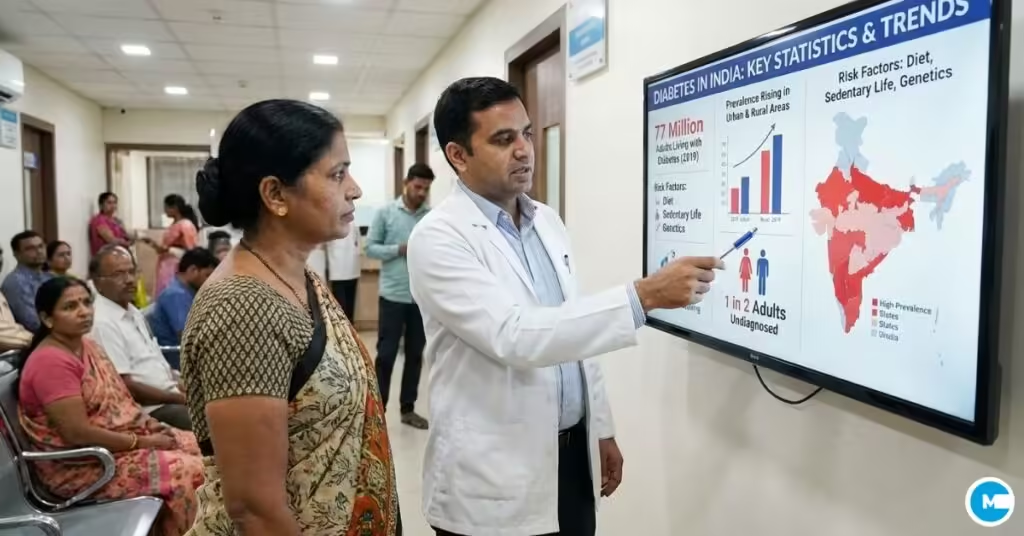
Living with diabetes in India doesn’t have to feel overwhelming. With over 101 million Indians currently managing this condition, you’re not alone in this journey. Whether you’ve just been diagnosed or you’re looking for better ways to control your blood sugar, this comprehensive guide will walk you through everything you need to know about diabetes management specifically tailored for the Indian context.
In this article, you’ll discover practical strategies that work with Indian dietary preferences, affordable treatment options available across India, and evidence-based advice from leading medical institutions like ICMR (Indian Council of Medical Research) and AIIMS. Let’s begin your journey toward better health.
Understanding Diabetes: What Every Indian Should Know
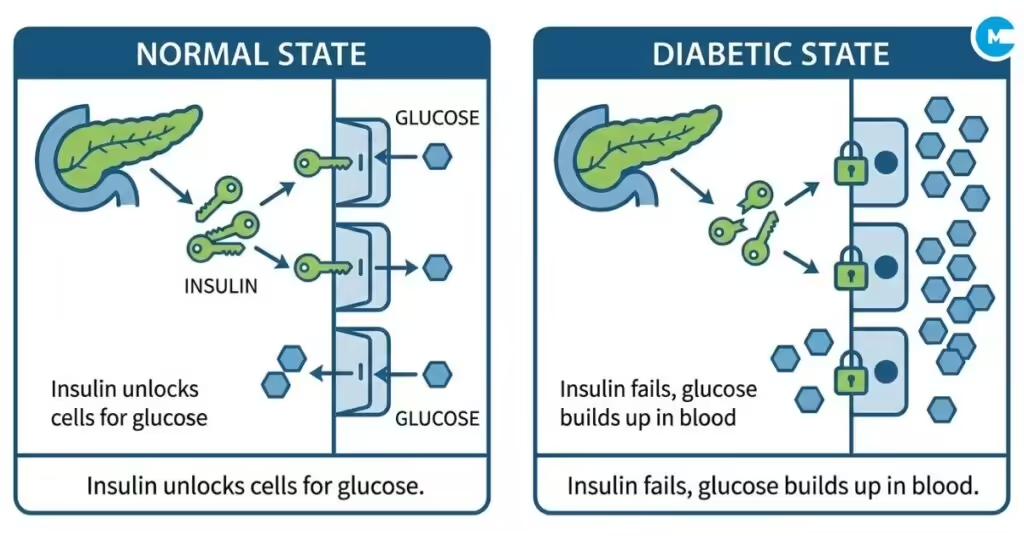
Diabetes mellitus, commonly called “sugar” or “madhumeha” in Ayurveda, is a metabolic disorder where your body struggles to regulate blood glucose levels. Think of insulin as a key that unlocks your cells to let glucose in for energy. When you have diabetes, either your pancreas doesn’t produce enough insulin (Type 1) or your cells don’t respond properly to insulin (Type 2).
The Diabetes Crisis in India
India faces a significant diabetes burden, with the ICMR-INDIAB study revealing that the country now has 101 million people living with diabetes. What makes this particularly concerning for Indians is our genetic predisposition—research shows that 41.2% of non-diabetic adults aged 45 and above are at high risk of developing Type 2 diabetes.
The numbers are even more alarming in certain states. Urban areas like Jammu show diabetes prevalence as high as 26.5%, while rural areas stand at 14.5%. Southern states including Kerala, Tamil Nadu, and northern regions like Delhi and Haryana show particularly high rates.
Key Statistics for India:
- Total diabetes cases: 101 million
- Prediabetes cases: Additional millions at risk
- Urban prevalence: 15-26% (varies by city)
- Rural prevalence: 8-15%
- Age group most affected: 45+ years
- Gender: Slightly higher in men (8.9%) than women (7.8%)
Types of Diabetes Common in India
Type 2 Diabetes (Most Common – 95% of Cases) This is what most Indians develop, typically after age 35, though increasingly younger people are being diagnosed. Your body still produces insulin, but cells become resistant to it. This type is strongly linked to lifestyle factors like diet, physical activity, and family history.
Type 1 Diabetes (5% of Cases) Usually diagnosed in childhood or young adulthood, this is an autoimmune condition where the pancreas produces little to no insulin. Patients require lifelong insulin therapy.
Gestational Diabetes Develops during pregnancy and usually resolves after childbirth, but increases risk of Type 2 diabetes later in life. Common among Indian women due to genetic factors.
Prediabetes Your blood sugar is higher than normal but not yet in the diabetic range. This is a critical stage where lifestyle changes can prevent full diabetes—an opportunity many Indians miss.
10 Warning Signs of Diabetes Indians Often Ignore
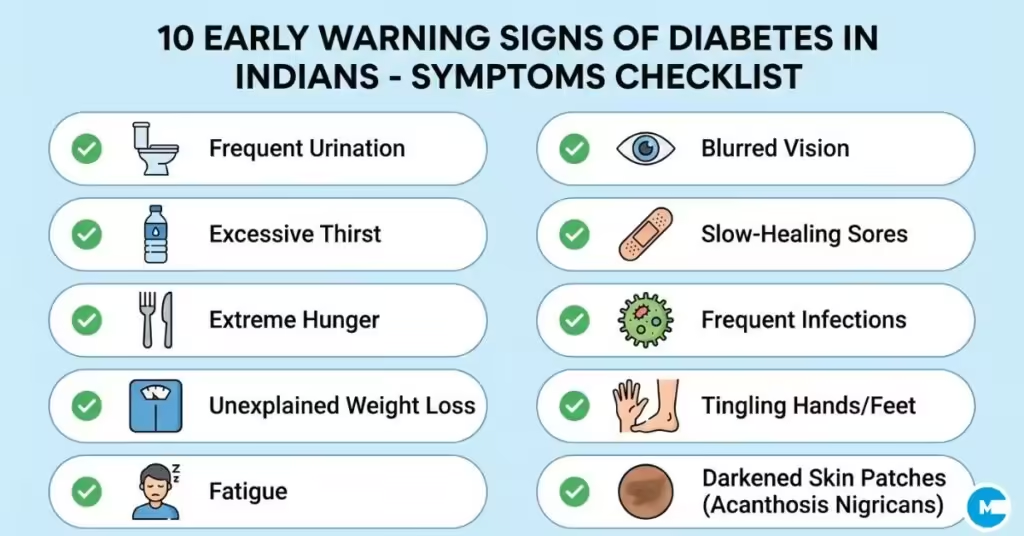
Early detection can make all the difference. Many Indians ignore these warning signs & symptoms, attributing them to stress, aging, or summer heat. Here are the warning signs you must never overlook:
Early Warning Symptoms
- Frequent Urination (Polyuria) High blood sugar forces the kidneys to work harder, leading to frequent trips to the bathroom, especially at night. If you’re waking up 3-4 times at night to urinate, get tested.
- Excessive Thirst (Polydipsia) As blood sugar levels rise, kidneys work overtime to filter excess glucose, leading to increased urination and dehydration. You feel thirsty even after drinking water.
- Unexplained Weight Loss Despite eating normally or even more, you’re losing weight. This happens because your body starts breaking down muscle and fat for energy when it can’t use glucose properly.
- Constant Fatigue and Weakness When the body fails to use glucose for energy, it begins to break down fat and muscle, leaving people continuously exhausted. This isn’t just typical tiredness—it’s persistent exhaustion even after rest.
- Blurred Vision High blood sugar causes the lens in your eye to swell, affecting your ability to focus. Many Indians first discover diabetes during an eye checkup when they complain of vision changes.
- Slow Healing Wounds Cuts, bruises, or infections that take weeks to heal are red flags. Diabetes weakens immunity, making you prone to urinary tract infections, skin infections, and fungal infections.
- Tingling or Numbness in Hands and Feet High blood sugar can damage nerves, causing tingling, numbness, or burning sensations in hands and feet—an early sign of diabetic neuropathy.
- Dark Patches on Skin (Acanthosis Nigricans) Dark, velvety patches of skin, commonly found on the neck, armpits, or groin, result from insulin resistance. This is particularly common among Indians.
- Increased Hunger Even after eating a full meal, you feel hungry. Your cells aren’t getting the glucose they need, so your brain signals you to eat more.
- Recurring Infections Frequent yeast infections (especially in women), urinary tract infections, or skin infections that keep coming back despite treatment.
Important: If you notice 3 or more of these symptoms, consult a doctor immediately and request a diabetes screening test. Early diagnosis can prevent serious complications.
Risk Factors: Are You at Risk for Diabetes?
Understanding your risk helps you take preventive action. Indians have several unique risk factors that make diabetes more likely.
Genetic and Family Factors
Family History: If your parents or siblings have diabetes, your risk increases by 2-6 times. The genetic component is particularly strong among Indians.
Ethnicity: South Asians, including Indians, develop diabetes at younger ages and lower BMI levels compared to Europeans. We’re genetically predisposed to insulin resistance.
Lifestyle Risk Factors
Age: Risk increases significantly after age 35, though Type 2 diabetes is now affecting Indians in their 20s and 30s.
Obesity and Body Fat Distribution: Indians tend to accumulate visceral (belly) fat, which is strongly linked to insulin resistance. A waist circumference over 90 cm (35 inches) for men and 80 cm (31 inches) for women increases risk.
Physical Inactivity: Sedentary jobs, long commutes, and lack of exercise are major contributors. Even 30 minutes of daily walking can reduce risk.
Diet High in Refined Carbohydrates: White rice, maida (refined flour), sugary beverages, and processed foods spike blood sugar repeatedly, leading to insulin resistance over time.
Stress and Sleep Deprivation: Chronic stress raises cortisol, which increases blood sugar. Poor sleep (less than 6 hours) disrupts hormones that regulate glucose.
Medical Risk Factors
- Previous gestational diabetes
- Polycystic Ovary Syndrome (PCOS) in women
- High blood pressure (above 140/90 mmHg)
- High cholesterol and triglycerides
- History of heart disease
Diagnosis: How Diabetes is Detected in India
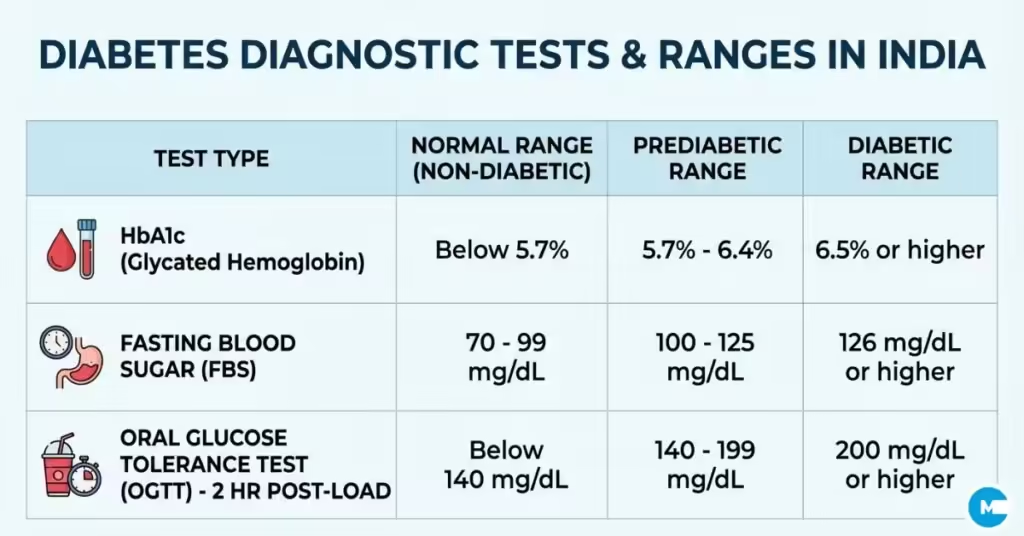
If you have risk factors or symptoms, getting tested is crucial. Here are the standard tests used across India:
Common Diagnostic Tests
HbA1c Test (Glycated Hemoglobin)
- Measures average blood sugar over 2-3 months
- Normal: Below 5.7%
- Prediabetes: 5.7% to 6.4%
- Diabetes: 6.5% or higher
- Cost in India: ₹300-600 at most labs
- Advantage: No fasting required
Fasting Blood Sugar (FBS)
- Measures blood sugar after 8-12 hours of fasting
- Normal: Below 100 mg/dL
- Prediabetes: 100-125 mg/dL
- Diabetes: 126 mg/dL or higher
- Cost in India: ₹50-150
- Timing: Best done early morning
Oral Glucose Tolerance Test (OGTT)
- Measures how your body processes sugar
- You drink a glucose solution, then blood is tested after 2 hours
- Normal: Below 140 mg/dL
- Prediabetes: 140-199 mg/dL
- Diabetes: 200 mg/dL or higher
- Cost in India: ₹200-400
Random Blood Sugar Test
- Can be done anytime without fasting
- Diabetes indicated if above 200 mg/dL with symptoms
- Cost in India: ₹50-100
Where to Get Tested in India:
- Government hospitals: Often free or minimal cost
- Private diagnostic centers: Thyrocare, Dr. Lal PathLabs, Metropolis
- Home sample collection: Available in most cities (₹50-100 extra)
According to WHO guidelines, any ONE of these test results in the diabetic range should be confirmed with a repeat test on a different day before diagnosis.
Comprehensive Treatment Options for Indians
Diabetes management requires a multi-pronged approach. Here’s what works for Indians based on current medical evidence.
Lifestyle Modifications (Foundation of Treatment)
Why This Matters: For many Indians with Type 2 diabetes, especially in early stages, lifestyle changes alone can bring blood sugar back to normal range—no medications needed.
Evidence: Research from Kerala showed that participants following a low glycemic index South Indian diet showed significant improvements in cardiovascular risk factors and blood glucose control over 24 weeks.
Medications Commonly Prescribed in India
Metformin (First-line Treatment)
- How it works: Reduces glucose production by liver, improves insulin sensitivity
- Common brands in India: Glycomet, Cetapin, Glucophage
- Typical dose: 500-2000 mg daily
- Cost: ₹20-150 per month
- Side effects: Nausea, diarrhea (usually temporary)
Sulfonylureas
- Examples: Glimepiride, Gliclazide
- How it works: Stimulates pancreas to produce more insulin
- Cost: ₹50-200 per month
- Caution: Can cause hypoglycemia (low blood sugar)
DPP-4 Inhibitors
- Examples: Sitagliptin, Vildagliptin
- Brands: Januvia, Galvus
- How it works: Helps body produce more insulin when needed
- Cost: ₹800-2000 per month
SGLT2 Inhibitors
- Examples: Dapagliflozin, Empagliflozin
- Brands: Forxiga, Jardiance
- How it works: Helps kidneys remove excess glucose through urine
- Additional benefit: Weight loss, heart protection
- Cost: ₹1500-3000 per month
Insulin Therapy Required for Type 1 diabetes and advanced Type 2 diabetes when oral medications aren’t sufficient.
Types Available in India:
- Rapid-acting: Taken before meals
- Intermediate-acting: Once or twice daily
- Long-acting: Once daily for baseline control
- Premixed: Combination of fast and slow-acting
Cost: ₹300-1500 per vial depending on type. Government hospitals often provide free insulin.
Important: Never adjust medication doses on your own. Always consult your doctor.
Government Support Programs
Ayushman Bharat Scheme: Covers diabetes treatment for eligible families
State Government Programs: Many states offer free diabetes screening and medications at government hospitals
Jan Aushadhi Kendras: Provide generic diabetes medications at 50-90% lower costs
Indian Diet for Diabetes: What to Eat and Avoid
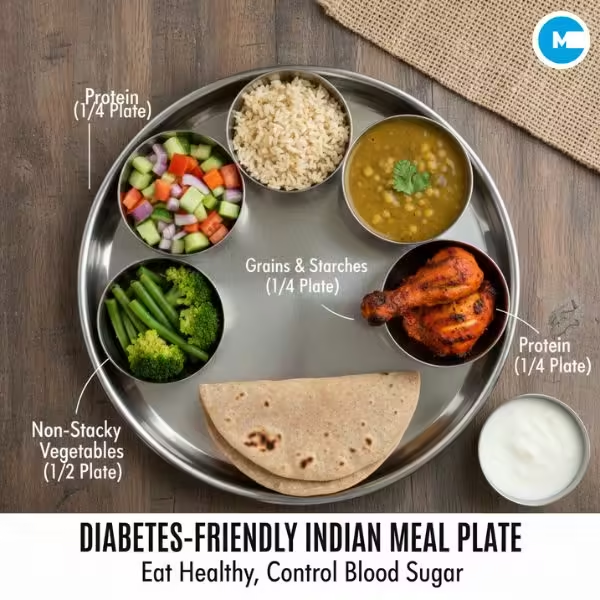
This is where most Indians struggle—balancing cultural food preferences with diabetes management. The good news? You don’t have to give up Indian food. You just need to make smarter choices. You can have Indian breakfast for diabetes and start your day with controlled diabetes level. , Its very easy to cook at home.
Understanding Glycemic Index (GI) for Indians
Glycemic index is a relative ranking of carbohydrates in foods according to how they affect blood glucose levels. Foods with low GI (55 or less) are digested slowly and cause gradual blood sugar rise.
Key Principle: Carbohydrates with a low GI value are more slowly digested, absorbed, and metabolized, causing a lower and slower rise in blood glucose.
Best Indian Foods for Diabetes (Low GI Options)
Whole Grains and Millets:
- Brown rice (GI: 50) – better than white rice (GI: 73)
- Whole wheat chapati (GI: 45-50)
- Bajra (pearl millet) roti (GI: 55)
- Jowar (sorghum) roti (GI: 50)
- Ragi (finger millet) – excellent choice (GI: 35)
- Quinoa (GI: 53)
- Barley (GI: 28)
Lentils and Legumes (Excellent Choices): Legumes, including lentils and chickpeas, have protein and fiber that help you feel full and have less of an effect on blood glucose levels.
- Moong dal (green gram) (GI: 31)
- Chana dal (bengal gram) (GI: 8)
- Masoor dal (red lentils) (GI: 26)
- Rajma (kidney beans) (GI: 24)
- Kabuli chana (chickpeas) (GI: 28)
- Black chana (GI: 10)
Vegetables (Eat Freely):
- All green leafy vegetables: Spinach, methi, cabbage, lettuce
- Bitter gourd (karela) – helps lower blood sugar
- Drumstick (moringa)
- Broccoli, cauliflower, beans
- Tomatoes, cucumbers, radish
- Bell peppers, zucchini
- Okra (bhindi)
Protein Sources:
- Paneer (cottage cheese) – low GI, high protein
- Dahi (yogurt) – probiotic benefits
- Eggs
- Chicken (without skin)
- Fish – especially fatty fish like Indian salmon, mackerel
- Tofu, soya
Healthy Fats: You can cut back on saturated fat by using heart-healthy oils such as olive or avocado oil instead of ghee.
- Mustard oil (in moderation)
- Groundnut oil
- Olive oil
- Nuts: Almonds, walnuts, peanuts (limit to 10-12 daily)
- Seeds: Flax, chia, sunflower
Fruits (Choose Wisely, Limit Portions):
- Guava (GI: 12-24) – excellent choice
- Apple with skin (GI: 36)
- Pear (GI: 38)
- Orange (GI: 40)
- Papaya (small portions) (GI: 60)
- Berries: Very low GI, rich in antioxidants
Indian Spices That Help: Spices provide antioxidants which help with inflammation and are a great option for flavoring food without adding calories, carbohydrates, fat, or sodium.
- Turmeric (haldi) – anti-inflammatory
- Cinnamon (dalchini) – may improve insulin sensitivity
- Fenugreek seeds (methi dana)
- Cumin (jeera)
- Ginger (adrak)
Foods to Avoid or Limit
High GI Grains:
- White rice (especially polished rice)
- Maida (refined flour) products
- White bread
- Instant noodles
Sugary Foods:
- Indian sweets: Gulab jamun, jalebi, barfi, rasgulla
- Cakes, pastries, cookies
- Sweetened beverages, sodas
- Packaged fruit juices
Fried Foods:
- Samosas, pakoras, vadas
- Bhujia, namkeen
- Fried papad
- Puri, bhature
High-Starch Vegetables (Limit Portions):
- Potatoes (especially fried)
- Sweet potatoes (small portions okay)
- Corn
Processed Foods:
- Packaged snacks
- Instant meals
- Preserved pickles (high sodium)
- Commercial sauces
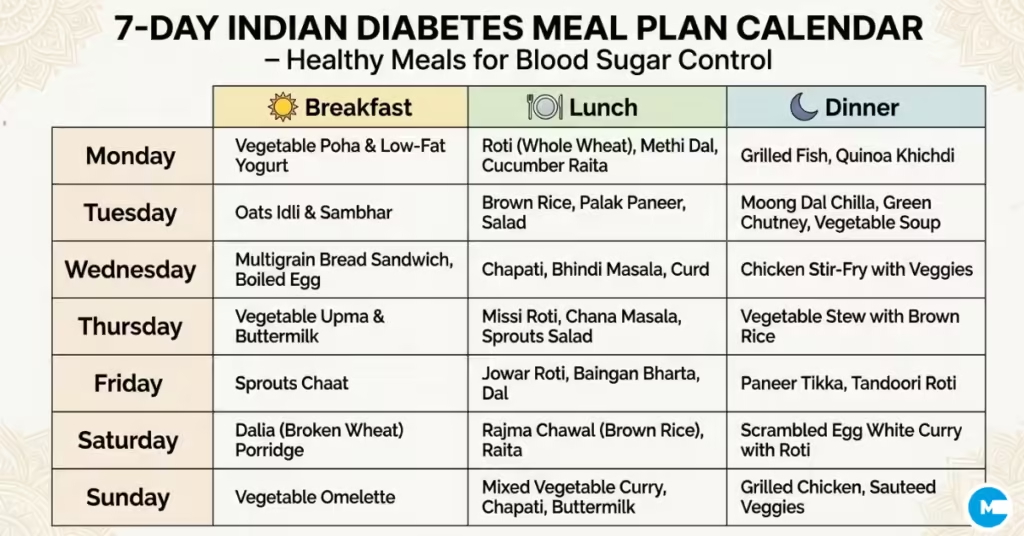
Sample 7-Day Indian Diet Plan for Diabetes
General Principles:
- Eat every 3-4 hours to maintain stable blood sugar
- Half your plate should be vegetables
- Quarter should be protein
- Quarter should be complex carbohydrates
- Drink 8-10 glasses of water daily
Day 1:
- Early Morning: Methi water or green tea
- Breakfast: Vegetable poha (made with brown rice flakes) + buttermilk
- Mid-Morning: 1 small apple + 5-6 almonds
- Lunch: 2 bajra rotis + palak paneer + cucumber raita + salad
- Evening: Roasted chana (25g)
- Dinner: Moong dal khichdi + mixed vegetable curry + buttermilk
Day 2:
- Early Morning: Cinnamon water
- Breakfast: Moong dal cheela (2) + mint chutney + curd
- Mid-Morning: 1 guava
- Lunch: 1 cup brown rice + fish curry + beans sabzi + salad
- Evening: Sprouts (boiled) with lemon
- Dinner: 2 jowar rotis + bottle gourd curry + dal
Day 3:
- Early Morning: Jeera water
- Breakfast: Vegetable dalia (broken wheat porridge) + buttermilk
- Mid-Morning: Orange (1 small)
- Lunch: 2 whole wheat rotis + rajma + cucumber-tomato salad
- Evening: Roasted peanuts (20g)
- Dinner: Ragi dosa (2) + sambhar + coconut chutney
Day 4:
- Early Morning: Tulsi tea (no sugar)
- Breakfast: Besan cheela (2) + green chutney
- Mid-Morning: 1 pear
- Lunch: Vegetable pulao (brown rice) + curd + salad
- Evening: Buttermilk + roasted makhana
- Dinner: 2 bajra rotis + mix dal + palak sabzi
Day 5:
- Early Morning: Fenugreek water
- Breakfast: Idli (2, made with brown rice) + sambhar + chutney
- Mid-Morning: Papaya (1 small bowl)
- Lunch: 2 multigrain rotis + chicken curry + salad
- Evening: Boiled black chana
- Dinner: Vegetable soup + grilled paneer tikka + salad
Day 6:
- Early Morning: Amla juice (unsweetened)
- Breakfast: Oats upma with vegetables
- Mid-Morning: 10-12 berries
- Lunch: 1 cup brown rice + dal tadka + bhindi sabzi + raita
- Evening: Cucumber salad with chaat masala
- Dinner: 2 rotis + chana masala + steamed vegetables
Day 7:
- Early Morning: Lemon water
- Breakfast: Vegetable uttapam + coconut chutney
- Mid-Morning: 1 small apple
- Lunch: 2 jowar rotis + egg curry + mixed vegetable sabzi
- Evening: Roasted fox nuts (makhana)
- Dinner: Soup + grilled fish/paneer + sautéed vegetables
Portion Control Tips:
- 1 roti = size of your palm
- Rice = 1 small katori (about 3/4 cup cooked)
- Dal/curry = 1 small katori
- Salad = unlimited (without dressing)
- Oil = 3-4 teaspoons total per day
Exercise and Physical Activity for Indians with Diabetes
Physical activity is as important as diet. It helps your cells use insulin better, lowers blood sugar, and aids weight management.

Recommended Exercise Plan
Aerobic Exercise (30-45 minutes, 5 days a week):
- Brisk walking in your neighborhood or park
- Cycling
- Swimming
- Dancing (traditional or Zumba)
- Badminton or tennis
Strength Training (2-3 times per week):
- Bodyweight exercises: Push-ups, squats, lunges
- Resistance bands
- Light dumbbells
- Yoga (certain postures)
Yoga for Diabetes: Specific asanas help manage blood sugar:
- Surya Namaskar (Sun Salutation)
- Bhujangasana (Cobra Pose)
- Dhanurasana (Bow Pose)
- Paschimottanasana (Seated Forward Bend)
- Pranayama: Kapalbhati, Anulom Vilom
Best Time to Exercise:
- 30-60 minutes after meals helps lower post-meal blood sugar spikes
- Morning exercise on empty stomach is fine if you’re not on medications that cause low blood sugar
- Always carry glucose tablets or candy in case of hypoglycemia
Safety Tips:
- Check blood sugar before exercise if on insulin or sulfonylureas
- Stay hydrated
- Wear proper footwear to prevent foot injuries
- Stop if you feel dizzy, chest pain, or extreme fatigue
- Start slow if you’re new to exercise
Preventing Complications: Protecting Your Health
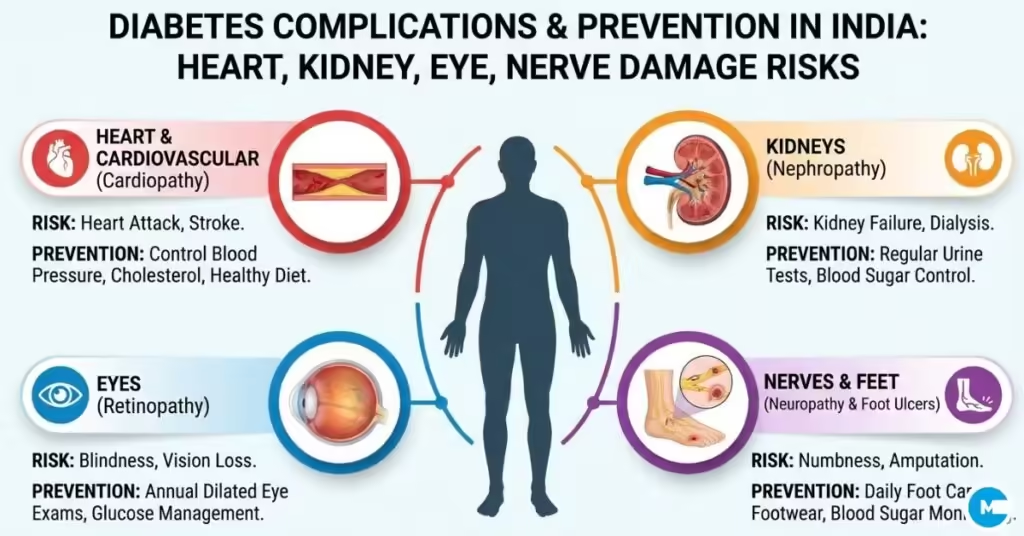
Uncontrolled diabetes can damage various organs over time. The good news? Most complications are preventable with proper management.
Major Complications and Prevention
Heart Disease and Stroke: Indians with diabetes have 2-3 times higher risk of heart attacks. The study shows that metabolic NCDs including diabetes increase cardiovascular disease burden.
Prevention:
- Control blood pressure (target: below 130/80)
- Manage cholesterol levels
- Quit smoking completely
- Take daily aspirin if doctor recommends
- Regular ECG screening after age 40
Kidney Disease (Diabetic Nephropathy): Prevention:
- Keep blood sugar in target range (HbA1c below 7%)
- Control blood pressure
- Limit salt intake
- Annual urine test for protein (microalbuminuria)
- Avoid nephrotoxic pain medicines (NSAIDs) without prescription
Eye Problems (Diabetic Retinopathy): Leading cause of blindness in working-age adults.
Prevention:
- Annual eye examination by ophthalmologist
- Immediate check if vision changes
- Control blood sugar tightly
- Laser treatment if needed can prevent blindness
Nerve Damage (Neuropathy): High blood sugar can damage nerves, causing tingling, numbness, or burning sensations in hands and feet.
Prevention:
- Tight blood sugar control
- Daily foot inspection for cuts, blisters, redness
- Moisturize feet daily (not between toes)
- Wear comfortable, well-fitting shoes
- Never walk barefoot, even at home
Foot Problems: Daily Foot Care Routine:
- Wash feet daily with lukewarm water
- Check for cuts, blisters, redness, swelling
- Trim toenails straight across
- Wear cotton socks
- See doctor immediately for any foot injury
Dental Problems: Diabetes increases risk of gum disease.
Prevention:
- Brush twice daily
- Floss once daily
- Dental checkup every 6 months
- Inform dentist about diabetes
Sexual Health Issues: Men may experience erectile dysfunction; women may have vaginal dryness and infections.
Prevention:
- Good blood sugar control
- Discuss with doctor – treatments available
- Regular gynecological checkups for women
Monitoring and Self-Care at Home
Regular monitoring helps you understand how food, exercise, and medications affect your blood sugar.
Blood Sugar Monitoring
When to Check:
- Fasting (first thing in morning)
- Before meals
- 2 hours after meals
- Before bedtime
- Before and after exercise
- When you feel symptoms of low/high sugar
Target Ranges for Most Indians:
- Fasting: 70-100 mg/dL
- 2 hours after meals: Below 140 mg/dL
- HbA1c: Below 7% (individualized based on age and health)
Glucometers Available in India:
- Accu-Chek: ₹1,000-2,500
- OneTouch: ₹800-1,800
- Contour Plus: ₹900-1,500
- Dr. Morepen: ₹500-1,000
Test strips: ₹10-20 per strip. Monthly cost: ₹300-600 for daily testing.
Tip: Some government hospitals provide free glucometers and strips.
Maintaining a Diabetes Log
Track daily:
- Blood sugar readings with time
- Meals eaten with approximate portions
- Exercise/physical activity
- Medications taken
- How you felt (symptoms)
Use apps like:
- MySugr
- Diabetes Connect
- BeatO
- HealthifyMe
Special Situations: Managing Diabetes During Festivals, Travel, and Illness
During Indian Festivals
Festivals don’t mean you can’t enjoy. Plan ahead:
Diwali:
- Share sweets but limit to 1 small piece
- Choose less sugary options: Dry fruits ladoo over gulab jamun
- Check blood sugar more frequently
- Increase physical activity
Eid:
- Opt for sevaiyan made with less sugar
- Limit portion sizes of biryani
- Load up on salad and raita
Holi:
- Avoid thandai with sugar and bhang
- Stay hydrated with water, coconut water
- Check blood sugar before and after festivities
During Travel
- Carry 2x medications needed
- Pack healthy snacks: Nuts, roasted chana, fruits
- Carry glucose tablets for emergencies
- Keep doctor’s prescription handy
- Stay hydrated
- Walk during long journeys
- Request diabetic meal on flights
During Illness (Sick Day Management)
When you have fever, cold, or infection:
- Blood sugar may rise even if you’re not eating
- Check sugar more frequently (every 4 hours)
- Stay hydrated – drink plenty of fluids
- Continue medications unless doctor says otherwise
- Call doctor if:
- Blood sugar above 300 mg/dL
- Vomiting and can’t keep food down
- Diarrhea for more than 6 hours
- Fever above 101°F for more than 2 days
Ayurvedic and Natural Approaches: What Works?
Many Indians prefer traditional remedies alongside modern medicine. Here’s what research supports:
Evidence-Based Natural Remedies
Bitter Gourd (Karela): Contains compounds that act like insulin. Drink fresh juice (30-50ml) on empty stomach.
Fenugreek Seeds (Methi): Soak 1 teaspoon overnight, drink water in morning. May help lower fasting blood sugar.
Cinnamon (Dalchini): Half teaspoon daily may improve insulin sensitivity. Add to tea or milk.
Amla (Indian Gooseberry): Rich in Vitamin C, may help with blood sugar control. Fresh or juice form.
Jamun (Black Plum): Both fruit and seed powder traditionally used. Seasonal fruit – consume when available.
Gymnema Sylvestre (Gurmar): Ayurvedic herb that may reduce sugar absorption and cravings.
Important Caution:
- Never replace prescribed medications with natural remedies without consulting your doctor
- Natural remedies can interact with medications
- Inform your doctor about any supplements you’re taking
- Monitor blood sugar closely when trying new remedies
For evidence-based information on complementary approaches, visit the National Center for Complementary and Integrative Health.
When to See a Doctor Immediately
Don’t wait – seek medical help right away if you experience:
Emergency Warning Signs:
- Blood sugar below 70 mg/dL and not responding to treatment
- Blood sugar above 400 mg/dL
- Excessive vomiting or diarrhea
- Severe abdominal pain
- Difficulty breathing or shortness of breath
- Chest pain or pressure
- Confusion or altered consciousness
- Fruity-smelling breath (sign of ketoacidosis)
- Severe foot infection or non-healing wound
Regular Follow-ups Needed:
- Every 3 months: Doctor visit, HbA1c test
- Every 6 months: Lipid profile, kidney function tests
- Annually: Comprehensive eye exam, urine microalbumin, ECG
Cost-Effective Diabetes Management in India
Managing diabetes doesn’t have to drain your finances. Here are ways to reduce costs:
Generic Medications:
- Use Jan Aushadhi Kendras for 50-80% savings
- Generic metformin: ₹20-50 vs branded ₹150-200
- Ask your doctor to prescribe generic versions
Government Programs:
- Ayushman Bharat covers diabetes treatment
- Government hospitals offer free consultations and subsidized medicines
- Many states have free diabetes screening camps
Smart Shopping:
- Buy 3-month supplies for discounts
- Compare prices across pharmacies
- Use online pharmacy apps (Netmeds, PharmEasy) for deals
Home Remedies:
- Walking costs nothing but provides immense benefits
- Grow methi, tulsi, curry leaves at home
- Use seasonal vegetables (cheaper and fresher)
Testing:
- Some NGOs offer free diabetes screening
- Health camps during festivals
- Use home glucometer to reduce lab costs
Living Well with Diabetes: Real Stories from India
Rajesh from Delhi, 52: “I was diagnosed at 45 with HbA1c of 9.2%. My doctor put me on metformin and advised diet changes. I switched from white rice to brown rice and jowar rotis, started walking 5km daily, and within 6 months, my HbA1c dropped to 6.4%. Now I manage with just 500mg metformin and lifestyle control.”
Priya from Bangalore, 38: “PCOS led to my prediabetes diagnosis. Instead of accepting it as inevitable, I joined yoga classes, cut out processed foods, and lost 12 kg in 8 months. My latest test shows normal blood sugar. The key was making sustainable changes, not crash diets.”
Key Takeaways from Success Stories:
- Small, consistent changes work better than drastic diets
- Walking is the most effective and free exercise
- Family support makes a huge difference
- Regular monitoring keeps you accountable
Frequently Asked Questions (FAQs)
Can diabetes be cured completely?
Type 2 diabetes can be reversed through significant lifestyle changes, especially in early stages. This means achieving normal blood sugar without medications. However, the tendency remains, so you must maintain healthy habits lifelong. Type 1 diabetes currently cannot be cured and requires lifelong insulin.
Is diabetes hereditary? Will my children get it?
Genetics play a role, but lifestyle is equally important. If you have diabetes, your children have higher risk, but they can prevent or delay it through healthy diet, regular exercise, and maintaining normal weight. Early screening is recommended.
Can I eat rice if I have diabetes?
Yes, but choose wisely. Brown rice, hand-pounded rice, and red rice are better options than polished white rice. Limit portions to 1/2 to 3/4 cup cooked rice per meal. Combine with vegetables, dal, and protein to reduce blood sugar impact.
How much should I walk daily?
Aim for at least 30 minutes of brisk walking (150 minutes per week). If you’re just starting, begin with 10 minutes and gradually increase. The more you walk, the better for blood sugar control.
Are fruits allowed in diabetes?
Yes, but choose low-GI fruits like guava, apple, pear, and berries. Limit high-GI fruits like mango, banana, grapes. Eat whole fruits, not juices. Best time is mid-morning or evening snack, not after meals.
Can diabetes cause weight gain?
Some diabetes medications, especially insulin and sulfonylureas, can cause weight gain. However, uncontrolled diabetes often causes weight loss. Metformin and newer drugs like SGLT2 inhibitors may help with weight loss.
Is jaggery (gur) better than sugar for diabetics?
No. Jaggery has the same effect on blood sugar as white sugar. Both should be limited. Don’t be misled by “natural” sweeteners – they still raise blood sugar.
Can stress increase blood sugar?
Absolutely. Stress hormones like cortisol raise blood sugar. Practice stress management through yoga, meditation, adequate sleep, and relaxation techniques. Even 10 minutes of deep breathing helps.
Should I take supplements or vitamins?
Most nutrients should come from food. However, some people with diabetes benefit from:
- Vitamin B12 (especially if on metformin long-term)
- Vitamin D (if deficient)
- Omega-3 supplements (if you don’t eat fish)
Always consult your doctor before starting supplements.
Can I fast during religious observances?
Consult your doctor before fasting. If approved:
- Check blood sugar more frequently
- Stay hydrated
- Break fast if sugar drops below 70 mg/dL
- Adjust medication timing with doctor’s guidance
- Avoid overeating when breaking fast
How often should I check my blood sugar at home?
Depends on your treatment:
- On insulin: 2-4 times daily
- On oral medications: 1-2 times daily
- Controlled on diet alone: 2-3 times per week
- When starting new medication: More frequently
Is diabetes medication safe during pregnancy?
Some oral medications aren’t safe during pregnancy. If you’re planning pregnancy, consult your doctor well in advance. Most women switch to insulin during pregnancy, which is safe for the baby.
Can I drink alcohol?
In moderation, if your doctor approves. Guidelines:
- Maximum 1 drink for women, 2 for men per day
- Never on empty stomach (causes low blood sugar)
- Avoid sweet cocktails and liqueurs
- Monitor blood sugar before and after
- Alcohol can cause delayed hypoglycemia
Conclusion: Your Path to Better Health Starts Today
Managing diabetes in India is entirely possible with the right knowledge, consistent effort, and support. Remember these key points:
The 5 Pillars of Diabetes Management:
- Healthy Indian Diet: Focus on whole grains, vegetables, lentils, and controlled portions
- Regular Physical Activity: Just 30 minutes of walking daily makes a difference
- Medications as Prescribed: Take them consistently, don’t skip doses
- Regular Monitoring: Know your numbers, track your progress
- Stress Management: Yoga, meditation, adequate sleep are essential
Take Action This Week:
- Schedule a diabetes screening if you haven’t been tested
- Replace white rice with brown rice or millets in one meal
- Start walking for 15 minutes after dinner
- Download a diabetes tracking app
- Book appointments for eye and foot checkups
Remember: You’re not alone in this journey. Millions of Indians successfully manage diabetes while living full, healthy lives. With proper care, diabetes doesn’t have to limit your dreams or lifestyle.
Medical Disclaimer
This article is for informational and educational purposes only and should not replace professional medical advice, diagnosis, or treatment. Always consult your physician or qualified healthcare provider before starting any treatment, making changes to existing medications, or adopting new health practices. The information provided here is based on current medical research and guidelines but may not be suitable for everyone’s individual circumstances.
If you experience any medical emergency or symptoms mentioned in this article, seek immediate medical attention. Never delay seeking medical advice because of something you have read on this website.
References and Resources
- Indian Council of Medical Research (ICMR). ICMR-INDIAB Study on Diabetes Prevalence. 2023. Available at: https://www.icmr.gov.in
- World Health Organization. Diabetes Fact Sheet. Available at: https://www.who.int/health-topics/diabetes
- American Diabetes Association. Standards of Medical Care in Diabetes. Diabetes Care. 2024;47(Supplement 1).
- All India Institute of Medical Sciences (AIIMS) Diabetes Guidelines. Available at: https://www.aiims.edu
- National Center for Complementary and Integrative Health. Diabetes and Dietary Supplements. Available at: https://www.nccih.nih.gov
- Indian Journal of Endocrinology and Metabolism. Glycemic Index of Indian Foods. 2023;27(4).
- The Lancet. Global Burden of Diabetes in India. 2023.
For More Information:
- Ministry of Health and Family Welfare: https://www.mohfw.gov.in
- National Health Portal India: https://www.nhp.gov.in
- Diabetes India: https://diabetesindia.com