
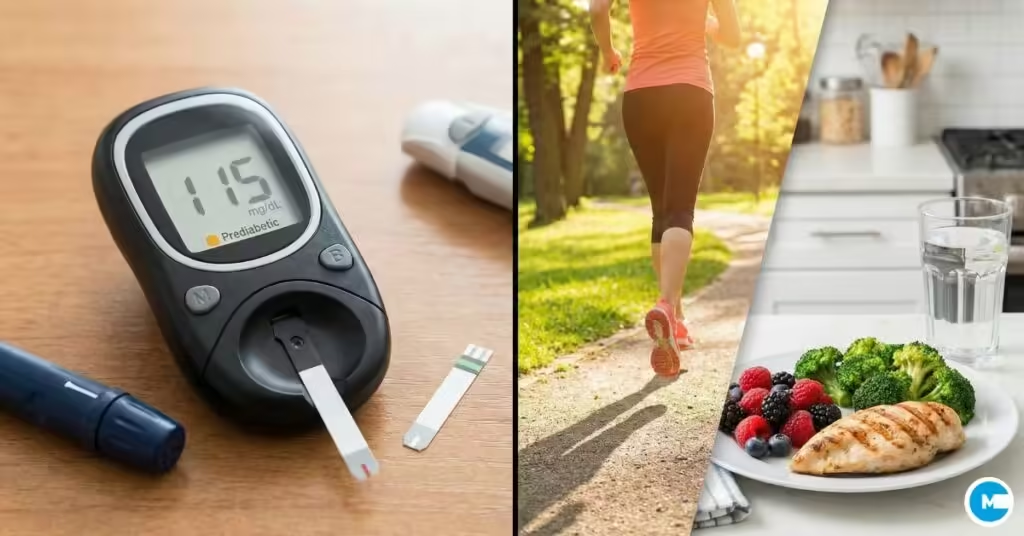
Imagine standing at a fork in the road. One path leads to Type 2 diabetes with all its complications—medications, insulin injections, hospital visits, and potential blindness or kidney failure. The other path leads back to normal blood sugar and excellent health. This is exactly where you are if you’ve been told you have prediabetes.
Here’s the crucial truth most Indians don’t realize: Prediabetes is not a life sentence. It’s a warning and an opportunity.
According to the Indian Council of Medical Research (ICMR), 41.2% of non-diabetic adults aged 45 and above are at high risk of developing Type 2 diabetes. That’s over 250 million Indians walking around with blood sugar levels higher than normal but not quite in the diabetic range. Most don’t even know it.
The devastating reality? Without intervention, 25-50% of people with prediabetes will develop full Type 2 diabetes within 5 years. But here’s the empowering reality: Studies show that with the right lifestyle changes, you can reverse prediabetes and reduce your risk of developing diabetes by 58-70%.
In this comprehensive guide, you’ll discover everything you need to know about prediabetes in India—from recognizing the symptoms to implementing a proven reversal plan that works with Indian lifestyle and food preferences.
What is Prediabetes?
Prediabetes is a condition where your blood sugar levels are higher than normal but not yet high enough to be classified as Type 2 diabetes. Think of it as the “gray zone” between normal blood sugar and diabetes.
Blood Sugar Ranges:
Normal:
- Fasting blood sugar: Below 100 mg/dL
- HbA1c: Below 5.7%
- 2-hour OGTT: Below 140 mg/dL
Prediabetes:
- Fasting blood sugar: 100-125 mg/dL
- HbA1c: 5.7-6.4%
- 2-hour OGTT: 140-199 mg/dL
Diabetes:
- Fasting blood sugar: 126 mg/dL or higher
- HbA1c: 6.5% or higher
- 2-hour OGTT: 200 mg/dL or higher
What’s Happening in Your Body: Your cells are becoming resistant to insulin—the hormone that helps glucose enter cells for energy. Your pancreas compensates by producing more insulin, but eventually, it can’t keep up. Blood sugar starts creeping upward, first into prediabetes range, then into diabetes.
For a complete understanding of diabetes, read our Complete Guide to Diabetes Management in India.
Prediabetes in India: Why We’re at Higher Risk
Indians face a perfect storm of risk factors for prediabetes and diabetes:
Genetic Predisposition
Research published in The Lancet shows that South Asians develop insulin resistance at younger ages and lower BMI levels compared to Europeans. We can develop prediabetes with just 3-4 kg of excess weight, whereas other ethnicities might need 10-15 kg.
Why this happens:
- Genetic variations affecting insulin production and action
- Tendency to accumulate visceral (belly) fat
- Lower muscle mass relative to fat
- Different fat distribution patterns
Lifestyle Changes
Traditional vs Modern:
- Then: Physical labor, whole grains, seasonal vegetables, smaller portions
- Now: Desk jobs, refined carbs, processed foods, large portions, sedentary lifestyle
The Indian Diet Shift: The move from traditional whole grains (jowar, bajra, ragi) to polished white rice and maida-based foods has increased our glycemic load significantly.
Early Onset
Indians develop prediabetes 10-15 years earlier than Western populations:
- Western countries: Usually after age 45
- India: Common from age 30-35
- Increasingly affecting people in their 20s
This means more years of exposure to high blood sugar, increasing complication risks.
Prediabetes Symptoms: What to Watch For
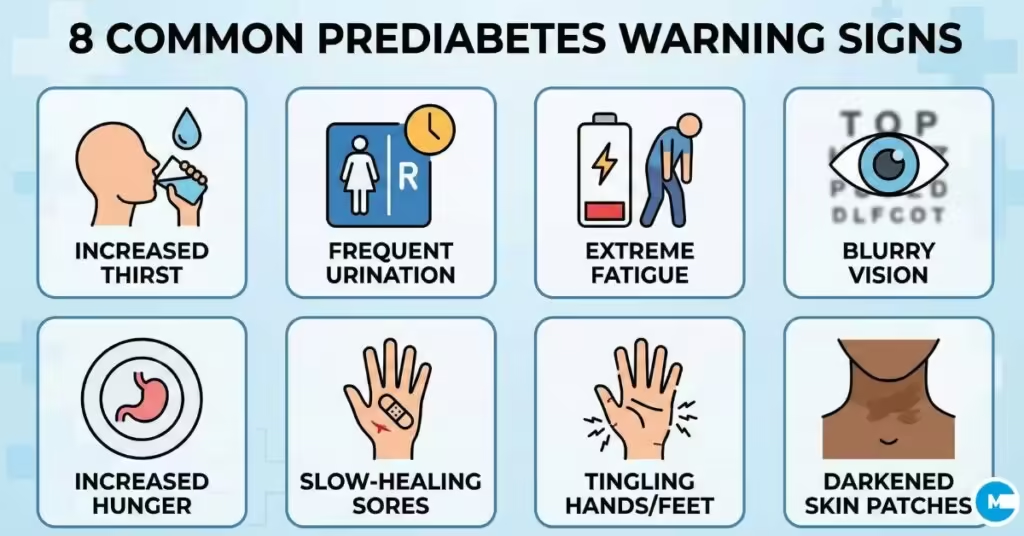
Here’s the tricky part: Most people with prediabetes have no symptoms. This is why it’s called a “silent condition.” However, some people do experience subtle warning signs:
Common Symptoms:
- Mild Fatigue
- Not the severe exhaustion of diabetes, but persistent tiredness
- Feeling drained by afternoon
- Needing more coffee or tea to stay alert
- Increased Thirst (Mild)
- Slightly more thirsty than usual
- Not the excessive thirst of diabetes
- Dry mouth occasionally
- Frequent Urination (Mild)
- Getting up once at night to urinate
- Urinating slightly more often during day
- Not as frequent as in diabetes
- Dark Skin Patches (Acanthosis Nigricans)
- Dark, velvety patches on neck, armpits, groin
- Often mistaken for dirt or poor hygiene
- Strongly associated with insulin resistance
- Very common in Indians
- Slight Weight Gain
- Gradual weight gain around midsection
- Difficulty losing weight despite efforts
- Clothes fitting tighter around waist
- Blurred Vision (Occasional)
- Vision fluctuations (better some days, worse others)
- Not the persistent blurred vision of diabetes
- May occur after eating high-carb meals
- Slow Wound Healing
- Cuts or bruises taking longer to heal
- Minor infections more frequent
- Not as slow as in diabetes
- Tingling in Feet (Rare)
- Very mild tingling or numbness
- Usually comes and goes
- More noticeable in prediabetes that’s been present for years
Important: Since symptoms are often absent or very mild, regular screening is crucial if you have risk factors.
For detailed information about diabetes symptoms, read: 10 Early Diabetes Symptoms Indians Often Ignore.
Who Should Get Tested for Prediabetes?
Get tested if you have ANY of these risk factors:
Age & Family History:
- Age 35 or older (25 if other risk factors present)
- Parent or sibling with diabetes
- Family history of heart disease
Body Weight:
- Overweight (BMI ≥ 23 for Indians)
- Waist circumference: >90 cm (35 inches) for men, >80 cm (31 inches) for women
- Recent weight gain of 5+ kg
Medical Conditions:
- High blood pressure (≥140/90)
- High cholesterol or triglycerides
- PCOS (Polycystic Ovary Syndrome) in women
- Previous gestational diabetes
- History of heart disease
Lifestyle Factors:
- Physically inactive (less than 3 times/week exercise)
- Diet high in refined carbohydrates and sugar
- Irregular eating patterns
- Poor sleep (less than 6 hours regularly)
- High stress levels
Testing Recommendations:
- Age 25-35 with risk factors: Every 2-3 years
- Age 35-45 with risk factors: Every 1-2 years
- Age 45+: Annually
- After diagnosis of prediabetes: Every 3-6 months
The Prediabetes Reversal Plan: A Proven Strategy
The evidence is clear: Prediabetes can be reversed. The Diabetes Prevention Program (DPP), one of the largest diabetes prevention studies, showed that lifestyle changes reduced progression to diabetes by 58%.
In India, research shows even better results because our traditional diet, when followed correctly, is naturally diabetes-preventive.
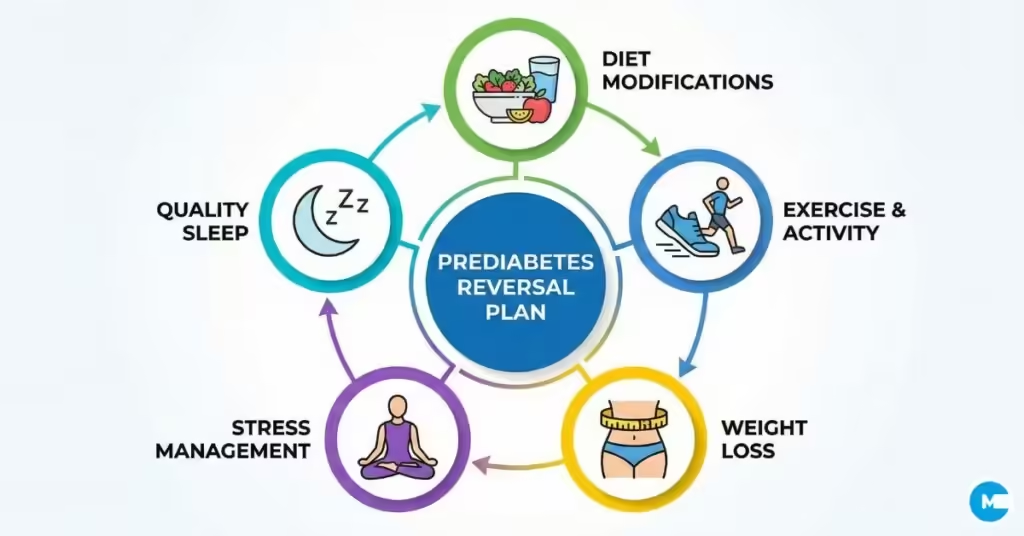
Pillar 1: Diet Modifications
Diet is your most powerful tool for reversing prediabetes. Here’s your complete eating plan:
The 3 Golden Rules:
Rule 1: Choose Low Glycemic Index Foods
Replace high GI foods with low GI alternatives:
Instead of White Rice (GI 73):
- Brown rice (GI 50)
- Hand-pounded rice (GI 55)
- Quinoa (GI 53)
- Barley (GI 28)
Instead of Maida Roti/Paratha:
- Whole wheat roti (GI 45-50)
- Bajra roti (GI 55)
- Jowar roti (GI 50)
- Ragi roti (GI 35)
Instead of Refined Breakfast:
- Vegetable poha with brown rice flakes
- Moong dal cheela
- Oats upma
- Ragi dosa
For a complete GI chart of Indian foods, see: Glycemic Index Chart of 200+ Indian Foods.
Rule 2: Load Up on Fiber
Target: 30-35 grams of fiber daily
Best Sources:
- Whole dals: Moong, chana, masoor, rajma
- Vegetables: All types, especially leafy greens
- Whole grains: Oats, barley, brown rice
- Fruits: Guava, apple with skin, pear, berries
- Nuts and seeds: Almonds, chia seeds, flax seeds
How fiber helps:
- Slows glucose absorption
- Improves insulin sensitivity
- Keeps you full longer
- Reduces cholesterol
Rule 3: Control Portions
Even healthy foods can raise blood sugar if eaten in excess.
Portion Guide:
- Rice/roti: 1 small katori (3/4 cup cooked rice or 2 small rotis)
- Dal/curry: 1 small katori
- Vegetables: Unlimited (without oil-heavy preparation)
- Salad: Unlimited
- Protein: Palm-sized portion
- Oil: 3-4 teaspoons total per day
Foods to Eat Freely:
Vegetables (All Types):
- Leafy greens: Spinach, methi, cabbage, lettuce
- Gourds: Bottle gourd, ridge gourd, bitter gourd
- Others: Broccoli, cauliflower, beans, okra, capsicum
Proteins:
- Moong dal, chana dal, masoor dal
- Paneer (low-fat)
- Eggs
- Chicken (skinless)
- Fish
- Tofu, soya
Healthy Fats:
- Nuts: 10-12 almonds or walnuts daily
- Seeds: Flax, chia, sunflower
- Olive oil, mustard oil (in moderation)
Foods to Avoid or Strictly Limit:
❌ Eliminate Completely:
- Sugary beverages: Sodas, packaged juices, energy drinks
- Refined sweets: Gulab jamun, jalebi, cake, cookies
- Trans fats: Bakery items, packaged snacks
- Processed foods: Instant noodles, chips, namkeen
❌ Severely Limit:
- White rice
- Maida products: White bread, biscuits, samosas, pakoras
- Fried foods
- Potatoes (especially fried)
- High-sugar fruits: Mango, banana, grapes (small portions only)
Sample 7-Day Meal Plan for Prediabetes Reversal
Day 1:
- Breakfast: Moong dal cheela (2) + mint chutney + buttermilk
- Mid-morning: 1 apple + 6 almonds
- Lunch: 2 bajra rotis + rajma + palak sabzi + salad
- Evening: Green tea + roasted chana (25g)
- Dinner: Vegetable daliya + cucumber raita
Day 2:
- Breakfast: Vegetable oats upma + curd
- Mid-morning: 1 guava
- Lunch: 1 cup brown rice + moong dal + beans sabzi + salad
- Evening: Buttermilk + 10 peanuts
- Dinner: 2 rotis + mix veg curry + dal
(Continue similar pattern for Days 3-7 with variety)
For complete breakfast ideas, read: Best Indian Breakfast for Diabetics: 15 Recipes.
Pillar 2: Exercise & Physical Activity
Exercise is non-negotiable for reversing prediabetes. It improves insulin sensitivity more than any medication.
Your Exercise Prescription:
Aerobic Exercise:
- Frequency: 5-6 days per week
- Duration: 30-45 minutes
- Type: Brisk walking, cycling, swimming, dancing
- Intensity: Moderate (can talk but not sing)
Strength Training:
- Frequency: 2-3 days per week
- Duration: 20-30 minutes
- Type: Bodyweight exercises, resistance bands, light weights
- Focus: All major muscle groups
Why This Works:
- Muscles use glucose without needing insulin
- Insulin sensitivity increases for 24-72 hours after exercise
- Helps with weight loss
- Reduces stress
Indian-Specific Tips:
- Walk after dinner (cultural habit + blood sugar benefit)
- Do yoga in morning
- Take stairs instead of elevator
- Walk to nearby markets instead of driving
- Join community walking groups
For a complete exercise routine, see: Best Exercises for Diabetes: 30-Minute Daily Routine.
Pillar 3: Weight Loss (If Overweight)
Losing just 5-7% of your body weight can significantly improve insulin sensitivity and reverse prediabetes.
What This Means:
- If you weigh 70 kg: Lose 3.5-5 kg
- If you weigh 80 kg: Lose 4-5.5 kg
- If you weigh 90 kg: Lose 4.5-6 kg
Realistic Weight Loss Timeline:
Healthy rate: 0.5-1 kg per week
- Month 1: 2-4 kg
- Month 2: 2-3 kg
- Month 3: 1-2 kg
- Total in 3 months: 5-7 kg ✓
How to Achieve This:
Calorie Deficit: Create a deficit of 500 calories daily (diet + exercise combined)
- Reduce calories by 300 through diet modifications
- Burn 200 calories through exercise
- Result: 0.5 kg weight loss per week
Practical Strategies:
- Use smaller plates
- Eat slowly, chew thoroughly
- Stop eating when 80% full
- Avoid mindless snacking
- Drink water before meals
- Sleep 7-8 hours (poor sleep increases weight gain)
Pillar 4: Stress Management
Chronic stress raises cortisol, which increases blood sugar and promotes insulin resistance.
Daily Stress-Reduction Practices:
Meditation (10-15 minutes):
- Sit quietly, focus on breathing
- Use apps like Headspace or Calm
- Best done morning or before bed
Yoga:
- Reduces stress hormones
- Improves insulin sensitivity
- Try: Pranayama, Shavasana, gentle asanas
Deep Breathing:
- 4-7-8 breathing technique
- Inhale 4 counts, hold 7 counts, exhale 8 counts
- Repeat 4-5 times
- Do whenever feeling stressed
Other Stress Relievers:
- Spend time with family/friends
- Pursue hobbies
- Listen to music
- Spend time in nature
- Limit news/social media
Pillar 5: Quality Sleep
Sleep deprivation disrupts hormones that regulate blood sugar, increasing prediabetes risk.
Sleep Requirements:
- Adults: 7-8 hours per night
- Consistency: Same bedtime and wake time daily
Sleep Hygiene Tips:
Before Bed:
- Avoid screens 1 hour before sleep
- Keep bedroom cool and dark
- No caffeine after 2 PM
- Light dinner 2-3 hours before bed
- Relaxation routine (reading, gentle music)
If You Have Trouble Sleeping:
- Avoid afternoon naps longer than 20 minutes
- Exercise earlier in day (not close to bedtime)
- Consider warm milk with turmeric before bed
- Try meditation or progressive muscle relaxation
Monitoring Your Progress
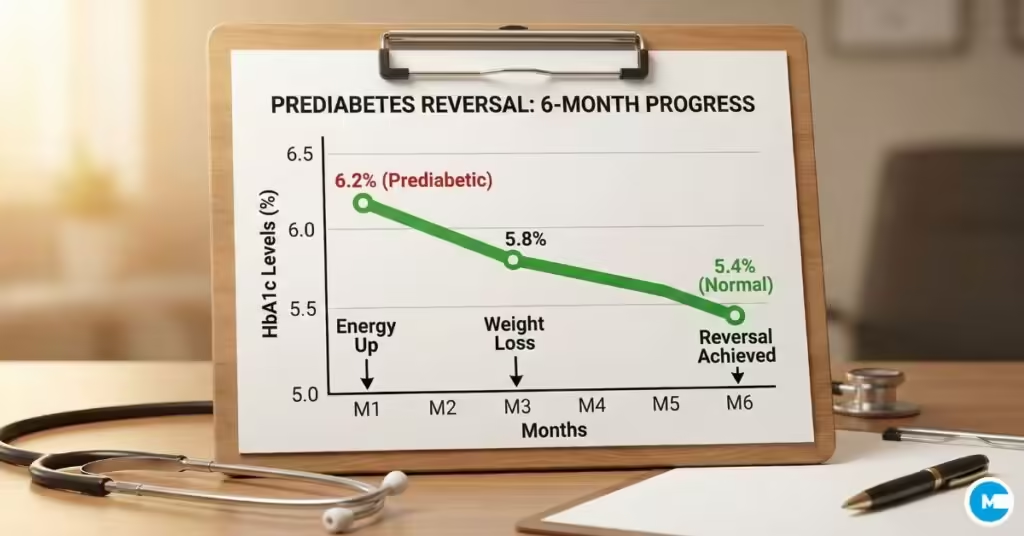
What to Track:
Every Week:
- Weight
- Exercise sessions completed
- Meals following plan
- Sleep hours
Every Month:
- Waist circumference
- Fasting blood sugar (home test)
- How you feel (energy, mood)
Every 3 Months:
- HbA1c test
- Fasting blood sugar (lab test)
- Lipid profile
- Blood pressure
Success Milestones:
Month 1:
- 2-4 kg weight loss
- Improved energy levels
- Better sleep
Month 2:
- Fasting blood sugar dropping 10-15 mg/dL
- 3-5 kg total weight loss
- Exercise becoming easier
Month 3:
- HbA1c reduction of 0.3-0.5%
- 5-7 kg total weight loss
- Significant improvement in how you feel
Month 6:
- HbA1c potentially back to normal range (<5.7%)
- Sustained weight loss
- New healthy habits established
Important: Everyone’s timeline is different. Don’t get discouraged if progress is slower. Consistency is key.
Real Success Stories from India
Rajiv, 38, Mumbai: “My HbA1c was 6.1%. Doctor said I had prediabetes. I was shocked—I’m not even 40! I started walking 40 minutes daily, cut out white rice and maida, and ate more vegetables. In 6 months, my HbA1c dropped to 5.4%. I lost 8 kg and feel better than I did in my 20s.”
Meena, 45, Delhi: “PCOS led to prediabetes. I was terrified of becoming diabetic like my mother. I joined a yoga class, switched to whole grains, and started eating smaller portions. It took 9 months, but my blood sugar is now normal. Lost 12 kg and PCOS symptoms improved too!”
Key Takeaway: These are ordinary Indians who reversed prediabetes through lifestyle changes. You can too.
When Lifestyle Alone Isn’t Enough
In some cases, your doctor might prescribe metformin alongside lifestyle changes, especially if:
- HbA1c is 6.0% or higher
- You have additional risk factors (family history, PCOS)
- You’re unable to lose weight despite efforts
- Blood sugar isn’t improving with lifestyle changes alone
Metformin benefits:
- Improves insulin sensitivity
- Helps with weight loss
- Reduces progression to diabetes by 31%
- Safe, well-tolerated medication
Important: Medication is an addition to lifestyle changes, not a replacement. You still need to follow the diet and exercise plan.
Preventing Progression: Long-Term Maintenance
Once you’ve reversed prediabetes, maintaining normal blood sugar requires ongoing commitment:
Continue:
- Regular exercise (5-6 days per week)
- Healthy eating patterns (80% of the time)
- Weight maintenance
- Annual health checkups
- Stress management
Allow:
- Occasional treats (festivals, celebrations)
- Flexibility with food choices
- Rest days from exercise
Monitor:
- Annual HbA1c test
- Fasting blood sugar every 6 months
- Weight and waist circumference monthly
Mindset Shift: This isn’t a temporary diet—it’s a new lifestyle. Make changes you can sustain for life.
Frequently Asked Questions
How long does it take to reverse prediabetes? Most people see significant improvement in 3-6 months with consistent lifestyle changes. Complete reversal (HbA1c below 5.7%) typically takes 6-12 months.
Can I reverse prediabetes without medication? Yes, in most cases. Studies show lifestyle changes alone reverse prediabetes in 50-70% of people. However, some may benefit from metformin in addition to lifestyle modifications.
Will prediabetes always progress to diabetes? No. With proper lifestyle changes, you can reverse prediabetes and prevent diabetes. However, without changes, 25-50% will progress to diabetes within 5 years.
Is prediabetes hereditary? Genetics play a role, but lifestyle is more important. Even with strong family history, lifestyle changes can prevent or delay diabetes by decades.
Can I eat fruits if I have prediabetes? Yes, but choose low-GI fruits (guava, apple, pear, berries) and watch portions. Avoid high-GI fruits like mango, banana, grapes, or eat them in very small quantities.
Should I test my blood sugar at home? While not mandatory for prediabetes, occasional home testing (especially after meals) helps you understand how different foods affect your blood sugar. Test 2 hours after meals to see the impact.
Conclusion: Your Wake-Up Call is a Blessing
Prediabetes is not a diagnosis to fear—it’s a warning that can save your life. Unlike diabetes, which requires lifelong management, prediabetes can be completely reversed. You have the power to choose which path you’ll take.
Action Steps Starting Today:
This Week:
- Get tested if you haven’t already
- Replace white rice with brown rice in one meal
- Start walking 20 minutes after dinner
- Remove sugary beverages from your home
This Month:
- Implement full dietary changes
- Establish regular exercise routine
- Start tracking your progress
- Schedule follow-up blood tests
This Quarter:
- Lose 3-5 kg if overweight
- Test HbA1c to see improvement
- Make healthy habits automatic
- Help family members get tested
You’ve been given a second chance. Take it. Your future self will thank you.
Related Articles:
- Complete Guide to Diabetes Management in India
- 10 Early Diabetes Symptoms Indians Often Ignore
- Best Indian Breakfast for Diabetics: 15 Recipes
- Best Exercises for Diabetes Control
About the Author
Dr. Rajesh Kumar, MBBS, MD (Endocrinology) Dr. Kumar specializes in prediabetes reversal and prevention at AIIMS, New Delhi. He has helped over 5,000 Indians reverse prediabetes through evidence-based lifestyle interventions adapted for Indian culture and dietary preferences.
Reviewed by: Dr. Meera Patel, MD (Internal Medicine), Certified Diabetes Educator
Last Updated: February 25, 2025
Next Review Date: August 2025
Medical Disclaimer
This article provides educational information about prediabetes reversal. Individual results may vary. Always consult with qualified healthcare providers before making significant lifestyle or dietary changes. The strategies outlined here are based on current medical evidence but should be personalized to your specific health situation, medications, and medical conditions.
References
- Indian Council of Medical Research (ICMR). ICMR-INDIAB Study on Prediabetes Prevalence. 2023.
- American Diabetes Association. Prevention of Type 2 Diabetes. Diabetes Care. 2024.
- Diabetes Prevention Program Research Group. Lifestyle Intervention in Prediabetes. NEJM. 2002.
- The Lancet. Diabetes in South Asia: Epidemiology and Prevention. 2023.