
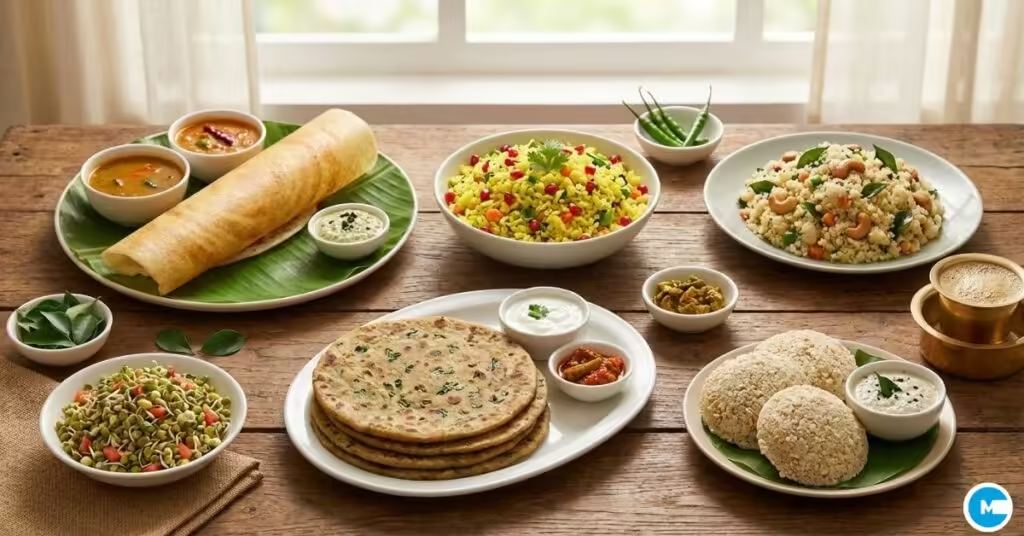
Starting your day with the right breakfast can make or break your blood sugar control. For Indians with diabetes, this is especially challenging—our traditional breakfasts are often loaded with refined carbohydrates that spike blood sugar within minutes. White rice idlis, maida parathas, and sugary chai are breakfast staples, but they’re not doing your blood glucose any favors.
The good news? You don’t have to give up Indian breakfast. You just need to make smarter swaps. In this comprehensive guide, you’ll discover 15 delicious, diabetes-friendly Indian breakfast recipes that keep your blood sugar stable while satisfying your taste buds. Each recipe includes portion sizes, calorie counts, and preparation tips specifically designed for Indians managing diabetes.
According to research published in the Indian Journal of Endocrinology, starting the day with a low glycemic index breakfast reduces post-meal blood sugar spikes by up to 30% and improves overall glucose control throughout the day. Let’s transform your mornings with these scientifically-backed, traditionally-inspired recipes.
Why Breakfast Matters for Diabetics
After 8-10 hours of fasting overnight, your first meal sets the tone for your entire day’s blood sugar control. A high-carbohydrate breakfast causes:
Immediate Effects:
- Sharp blood sugar spike within 30-60 minutes
- Increased insulin demand on your pancreas
- Energy crash mid-morning leading to cravings
- Overeating at lunch to compensate
Long-term Impact:
- Poor overall glucose control (higher HbA1c)
- Increased risk of diabetes complications
- Weight gain from excess insulin production
- Metabolic stress on your body
A balanced, low-GI breakfast provides steady energy, prevents cravings, and makes blood sugar management easier throughout the day.
For comprehensive diabetes management strategies beyond breakfast, read our detailed guide: Complete Guide to Diabetes Management in India.
The Perfect Diabetic Breakfast Formula
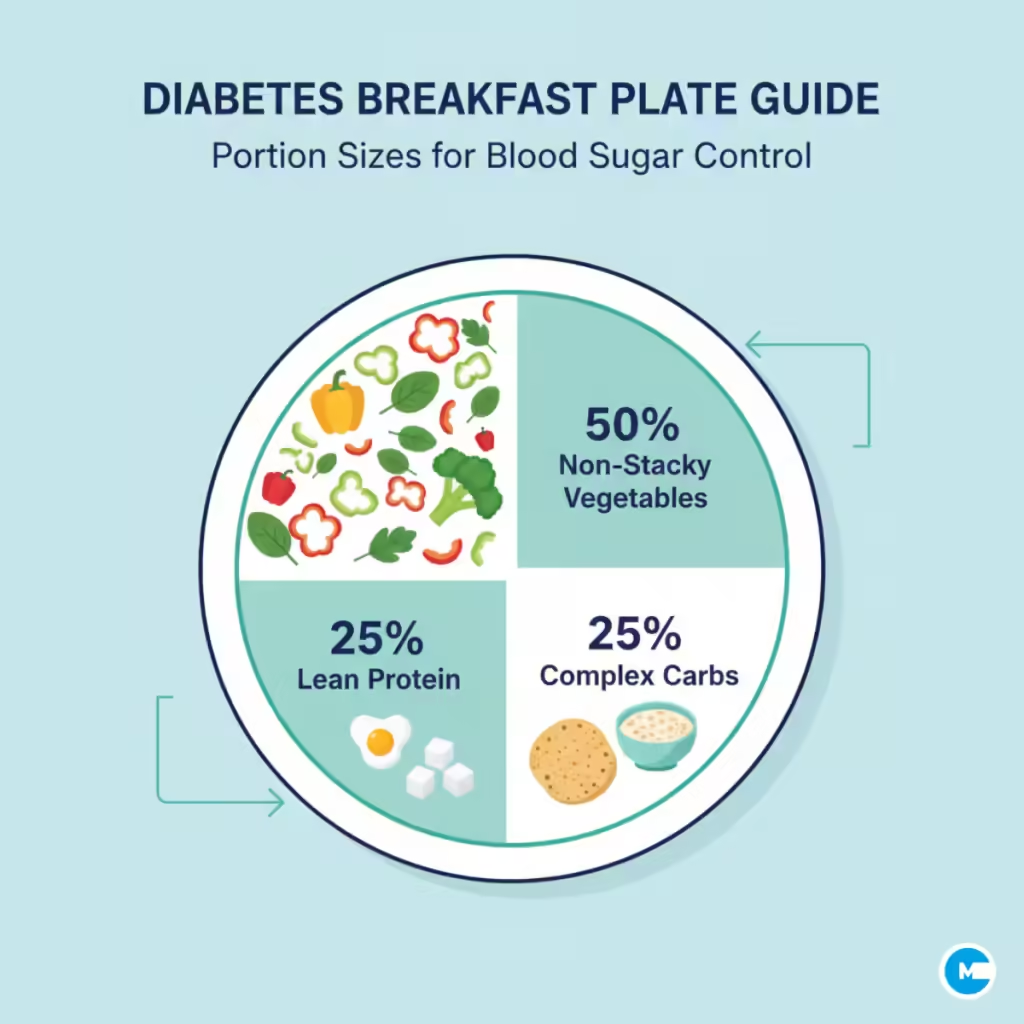
Before we dive into recipes, understand the formula for a diabetes-friendly breakfast:
The 50-25-25 Rule:
- 50% Non-starchy vegetables (spinach, tomatoes, peppers, onions, mushrooms)
- 25% Protein (eggs, paneer, dal, yogurt, nuts)
- 25% Complex carbohydrates (whole grain roti, brown rice idli, oats, millets)
Additional Guidelines:
- Total carbs: 30-45 grams per meal (2-3 servings)
- Fiber: At least 5-8 grams
- Protein: 15-20 grams
- Healthy fats: 10-15 grams (from nuts, seeds, or oil)
- Total calories: 300-400 calories
15 Diabetes-Friendly Indian Breakfast Recipes
1. Vegetable Oats Upma
Glycemic Load: Low | Prep Time: 15 minutes | Serves: 2
Ingredients:
- 1 cup steel-cut or rolled oats
- 2 cups mixed vegetables (carrot, beans, peas, capsicum), finely chopped
- 1 small onion, chopped
- 1 green chili, chopped
- 1 tsp mustard seeds
- 1 tsp urad dal
- 8-10 curry leaves
- 1 tbsp oil (preferably mustard or olive)
- Salt to taste
- Juice of half lemon
- Fresh coriander for garnish
Preparation:
- Dry roast oats in a pan for 3-4 minutes until fragrant. Set aside.
- Heat oil, add mustard seeds and urad dal. When they splutter, add curry leaves and green chili.
- Add onions, sauté until translucent.
- Add all vegetables, cook for 5-7 minutes until slightly tender.
- Add 2.5 cups water, bring to boil.
- Add roasted oats, salt, and mix well.
- Cover and cook on low heat for 8-10 minutes until water is absorbed.
- Add lemon juice and garnish with coriander.
Nutritional Information (per serving):
- Calories: 280
- Carbohydrates: 38g
- Protein: 9g
- Fiber: 8g
- Glycemic Index: 42 (Low)
Why It Works: Oats are rich in beta-glucan fiber that slows glucose absorption. Vegetables add volume with minimal calories and carbs.
2. Moong Dal Cheela (Savory Pancake)
Glycemic Load: Low | Prep Time: 20 mins + soaking | Serves: 2 (makes 4 cheelas)
Ingredients:
- 1 cup moong dal (green gram), soaked 4-6 hours
- 1/4 cup finely chopped vegetables (onion, tomato, spinach)
- 1 green chili
- 1/2 inch ginger
- 1/2 tsp cumin seeds
- Salt to taste
- 2 tsp oil for cooking
Preparation:
- Drain moong dal and grind with green chili and ginger to a smooth batter (add minimal water).
- Mix in vegetables, cumin, and salt.
- Heat a non-stick pan, spread 1/2 tsp oil.
- Pour 1/4 cup batter and spread in circular motion to make thin pancake.
- Cook on medium heat for 2-3 minutes per side until golden.
- Repeat for remaining batter.
- Serve hot with mint-coriander chutney or low-fat yogurt.
Nutritional Information (per 2 cheelas):
- Calories: 245
- Carbohydrates: 32g
- Protein: 14g
- Fiber: 7g
- Glycemic Index: 28 (Low)
Why It Works: Moong dal is rich in protein and has one of the lowest GI among all Indian foods. Perfect for blood sugar control.
Tip: Make batter the night before for a quicker morning routine.
3. Vegetable Poha (Flattened Rice)
Glycemic Load: Medium | Prep Time: 15 minutes | Serves: 2
Ingredients:
- 1.5 cups thick poha (brown rice poha if available)
- 1.5 cups mixed vegetables (peas, carrots, beans, cabbage)
- 1 medium onion, chopped
- 1 tsp mustard seeds
- 8-10 curry leaves
- 2 green chilies, chopped
- 1/4 tsp turmeric powder
- 1 tbsp peanuts
- 1 tbsp oil
- Salt to taste
- Lemon juice, fresh coriander for garnish
Preparation:
- Rinse poha gently in a strainer under running water. Drain and set aside.
- Heat oil, add mustard seeds and peanuts. When mustard sputters, add curry leaves and green chili.
- Add onions, sauté until translucent.
- Add vegetables, turmeric, and salt. Cook covered for 5-7 minutes.
- Add drained poha, mix gently.
- Cover and cook on low heat for 3-4 minutes.
- Add lemon juice and coriander. Serve hot.
Nutritional Information (per serving):
- Calories: 265
- Carbohydrates: 42g
- Protein: 6g
- Fiber: 5g
- Glycemic Index: 50-55 (Medium)
Why It Works: Heavy vegetable loading reduces the overall glycemic load. Brown rice poha has a lower GI than white rice poha.
Portion Control: Limit to 1 cup per serving. Pair with boiled eggs or paneer for added protein.
4. Ragi (Finger Millet) Dosa
Glycemic Load: Low | Prep Time: 25 mins + fermentation | Serves: 2 (makes 4 dosas)
Ingredients:
- 1 cup ragi flour
- 1/4 cup whole wheat flour
- 1/4 cup rice flour
- 1/2 cup low-fat yogurt
- 1 small onion, finely chopped
- 2 green chilies, chopped
- Few curry leaves, chopped
- Salt to taste
- Water as needed
- 2 tsp oil for cooking
Preparation:
- Mix all flours, yogurt, and salt with water to make thin batter (pancake consistency).
- Let it ferment for 6-8 hours or overnight.
- Add onions, green chili, curry leaves to batter before making dosas.
- Heat a non-stick pan, spread 1/2 tsp oil.
- Pour batter and spread in circular motion.
- Cook on medium heat until edges lift, flip and cook other side.
- Serve with coconut chutney or sambhar.
Nutritional Information (per 2 dosas without chutney):
- Calories: 290
- Carbohydrates: 45g
- Protein: 10g
- Fiber: 9g
- Glycemic Index: 35 (Low)
Why It Works: Ragi is exceptionally rich in fiber and minerals. Studies show it can improve glucose tolerance and reduce post-meal blood sugar spikes.
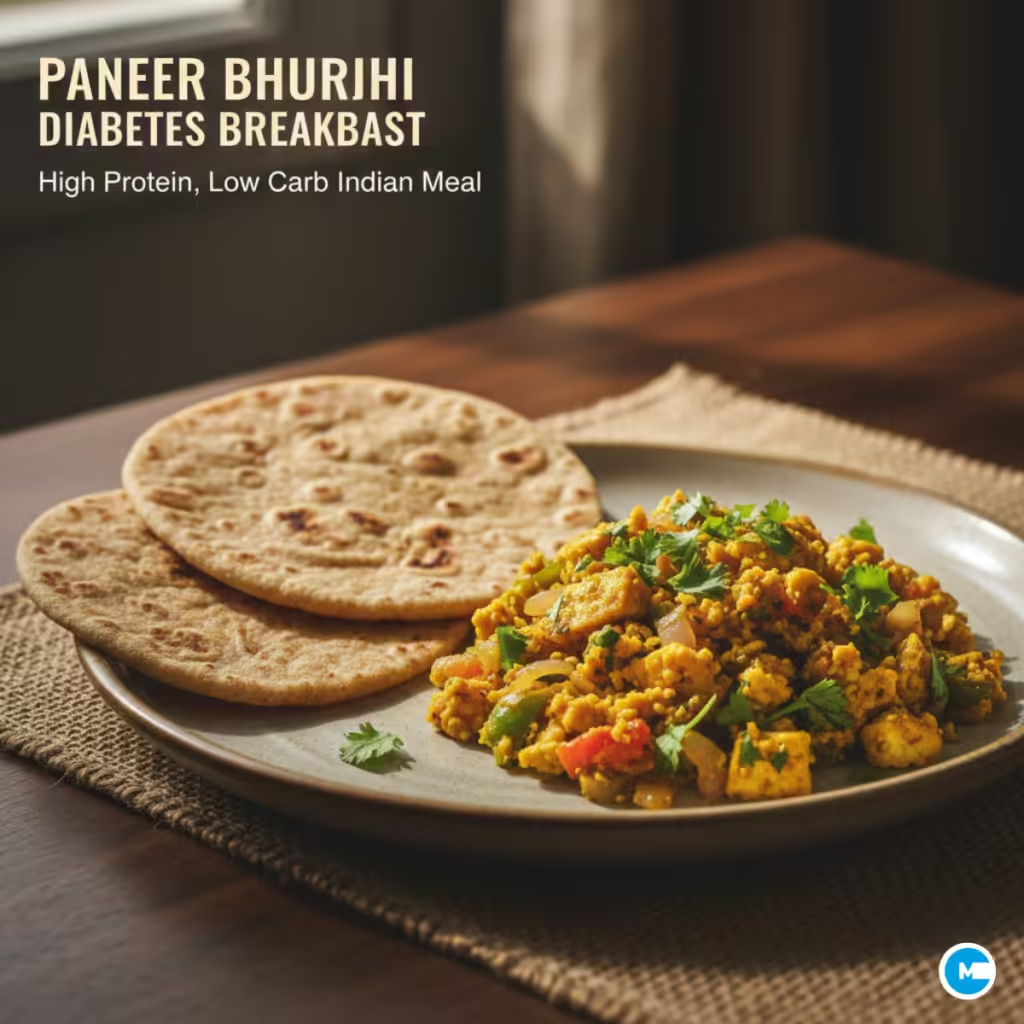
5. Paneer Bhurji with Multigrain Roti
Glycemic Load: Low | Prep Time: 20 minutes | Serves: 2
Ingredients:
For Bhurji:
- 200g paneer, crumbled
- 1 onion, finely chopped
- 1 tomato, finely chopped
- 1/2 capsicum, chopped
- 1 green chili, chopped
- 1/2 tsp cumin seeds
- 1/4 tsp turmeric
- 1/2 tsp red chili powder
- 1 tbsp oil
- Salt to taste
- Fresh coriander
For Roti:
- 1 cup whole wheat flour
- 1/4 cup ragi or jowar flour
- Water to knead
- Pinch of salt
Preparation:
Bhurji:
- Heat oil, add cumin seeds.
- Add onions, sauté until golden.
- Add tomatoes, cook until soft.
- Add capsicum, spices, and cook for 2 minutes.
- Add crumbled paneer, mix well, cook for 3-4 minutes.
- Garnish with coriander.
Roti:
- Mix flours and salt, knead with water to soft dough.
- Make small balls, roll into thin rotis.
- Cook on hot tawa, flip when bubbles appear.
- Cook until brown spots appear on both sides.
Nutritional Information (per serving with 2 rotis):
- Calories: 385
- Carbohydrates: 35g
- Protein: 22g
- Fiber: 7g
- Glycemic Index: 40 (Low)
Why It Works: High protein from paneer keeps you full longer and stabilizes blood sugar. Multigrain roti has lower GI than plain wheat.
6. Sprouted Moong Salad
Glycemic Load: Very Low | Prep Time: 10 mins + sprouting | Serves: 2
Ingredients:
- 1.5 cups sprouted moong beans
- 1 cucumber, chopped
- 1 tomato, chopped
- 1 onion, finely chopped
- 1 green chili, chopped
- 2 tbsp fresh coriander, chopped
- Juice of 1 lemon
- 1/2 tsp chaat masala
- 1/4 tsp roasted cumin powder
- Salt to taste
- 1 tsp olive oil (optional)
Preparation:
- Steam sprouted moong for 5-7 minutes until tender but crunchy.
- Let it cool to room temperature.
- Mix with all chopped vegetables.
- Add lemon juice, spices, and salt.
- Toss well and serve fresh.
Nutritional Information (per serving):
- Calories: 180
- Carbohydrates: 28g
- Protein: 12g
- Fiber: 10g
- Glycemic Index: 25 (Very Low)
Why It Works: Sprouting reduces the GI further and increases nutrient availability. This is one of the best breakfasts for diabetics.
Tip: Pair with 1 boiled egg or 50g paneer to increase protein and make it more filling.
7. Masala Egg Omelette with Vegetables
Glycemic Load: Very Low | Prep Time: 10 minutes | Serves: 1
Ingredients:
- 2 whole eggs (or 1 whole + 2 whites for lower cholesterol)
- 1/4 cup finely chopped vegetables (onion, tomato, spinach, capsicum)
- 1 green chili, chopped
- 2 tbsp fresh coriander
- 1/4 tsp turmeric
- Salt and pepper to taste
- 1 tsp oil
Preparation:
- Beat eggs with salt, pepper, and turmeric.
- Mix in chopped vegetables, green chili, and coriander.
- Heat oil in non-stick pan.
- Pour egg mixture, spread evenly.
- Cook on medium heat until bottom sets.
- Flip carefully and cook other side for 1-2 minutes.
- Serve hot with 1 slice of whole grain bread or multigrain roti.
Nutritional Information (per omelette with 1 roti):
- Calories: 295
- Carbohydrates: 22g
- Protein: 18g
- Fiber: 4g
- Glycemic Index: 30 (Low)
Why It Works: Eggs are the gold standard for breakfast protein. They have virtually no carbs and keep you satisfied for hours.
8. Methi (Fenugreek) Thepla
Glycemic Load: Medium | Prep Time: 25 minutes | Serves: 2 (makes 6 theplas)
Ingredients:
- 1 cup whole wheat flour
- 1/4 cup besan (gram flour)
- 1 cup finely chopped fresh methi leaves
- 1/2 tsp turmeric powder
- 1/2 tsp red chili powder
- 1/2 tsp carom seeds (ajwain)
- 2 tbsp low-fat yogurt
- 1 tbsp oil (for dough)
- Salt to taste
- Oil for cooking (1 tsp per thepla)
Preparation:
- Wash methi leaves thoroughly, chop finely.
- Mix all dry ingredients including methi.
- Add yogurt and oil, knead to soft dough with water.
- Rest for 15 minutes.
- Divide into 6 balls, roll into thin circles.
- Cook on hot tawa with minimal oil until golden spots appear.
- Serve with low-fat yogurt or mint chutney.
Nutritional Information (per 2 theplas):
- Calories: 270
- Carbohydrates: 38g
- Protein: 9g
- Fiber: 6g
- Glycemic Index: 52 (Medium)
Why It Works: Fenugreek has been shown in studies to improve glucose tolerance and insulin sensitivity. Besan adds protein and lowers GI.
9. Vegetable Dalia (Broken Wheat Porridge)
Glycemic Load: Medium | Prep Time: 20 minutes | Serves: 2
Ingredients:
- 3/4 cup dalia (broken wheat)
- 2 cups mixed vegetables (carrots, peas, beans, cauliflower)
- 1 onion, chopped
- 1 tomato, chopped
- 1 tsp cumin seeds
- 2 cloves
- 1 small bay leaf
- 1 tbsp oil
- Salt to taste
- Fresh coriander for garnish
Preparation:
- Dry roast dalia until slightly golden. Set aside.
- Heat oil, add cumin, cloves, and bay leaf.
- Add onions, sauté until golden.
- Add tomatoes, cook until soft.
- Add vegetables, salt, and 3 cups water.
- Bring to boil, add roasted dalia.
- Cover and cook on low heat for 15-20 minutes until dalia is cooked.
- Garnish with coriander.
Nutritional Information (per serving):
- Calories: 285
- Carbohydrates: 42g
- Protein: 8g
- Fiber: 9g
- Glycemic Index: 50 (Medium)
Why It Works: Dalia is rich in fiber and has a moderate GI. Heavy vegetable loading makes this a filling, nutritious breakfast.
10. Besan (Gram Flour) Cheela with Vegetables
Glycemic Load: Low | Prep Time: 20 minutes | Serves: 2 (makes 4 cheelas)
Ingredients:
- 1 cup besan
- 1/2 cup mixed vegetables (onion, tomato, capsicum, grated carrot)
- 1 green chili, chopped
- 2 tbsp coriander leaves
- 1/4 tsp turmeric
- 1/2 tsp red chili powder
- 1/4 tsp carom seeds
- Salt to taste
- 2 tsp oil for cooking
- Water to make batter
Preparation:
- Mix besan with spices and salt.
- Add water gradually to make smooth batter (dosa consistency).
- Add all vegetables, mix well.
- Heat non-stick pan, spread oil.
- Pour batter, spread into thin circle.
- Cook on medium heat for 2-3 minutes per side.
- Serve with green chutney or yogurt.
Nutritional Information (per 2 cheelas):
- Calories: 260
- Carbohydrates: 30g
- Protein: 13g
- Fiber: 7g
- Glycemic Index: 35 (Low)
Why It Works: Besan has a low GI and high protein content, making it excellent for blood sugar control.
Quick & Easy Options (5 More Recipes in Brief)
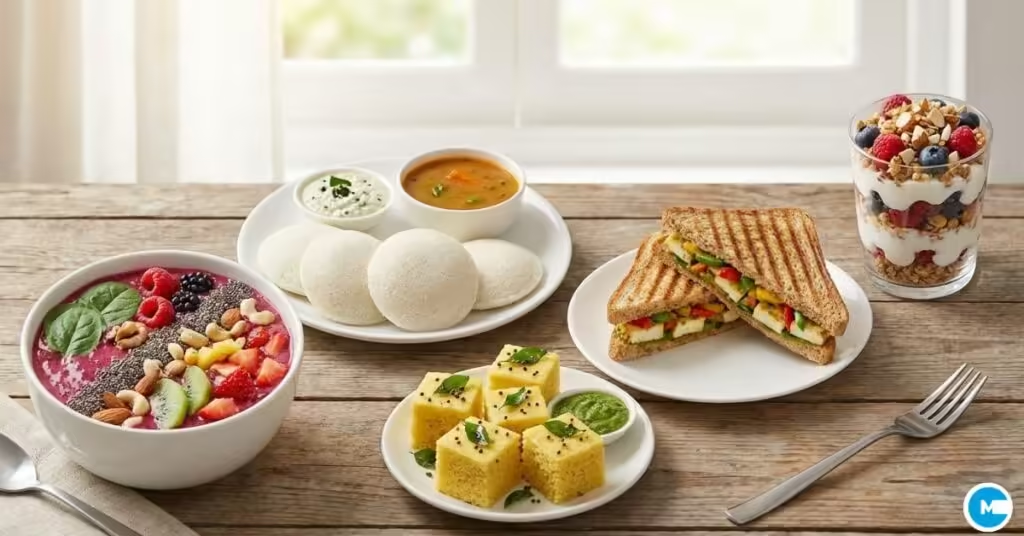
11. Brown Rice Idli with Sambhar
Prep: 25 mins + fermentation
- Use brown rice instead of white rice
- Serve 2 idlis with vegetable-rich sambhar
- Add 1 tbsp coconut chutney
- Calories: 270 | GI: 50 | Carbs: 44g
12. Greek Yogurt Parfait with Nuts
Prep: 5 mins
- 1 cup low-fat Greek yogurt
- 2 tbsp mixed nuts and seeds
- 1/4 cup berries or chopped apple
- 1 tsp honey (optional)
- Calories: 250 | GI: 30 | Carbs: 22g
13. Vegetable Ragi Porridge
Prep: 15 mins
- 1/2 cup ragi flour cooked with vegetables
- Spiced with cumin and curry leaves
- Add 1/4 cup buttermilk
- Calories: 230 | GI: 38 | Carbs: 36g
14. Multigrain Vegetable Sandwich
Prep: 10 mins
- 2 slices multigrain bread (toasted)
- Stuffed with cucumber, tomato, paneer, lettuce
- Mint chutney spread
- Calories: 280 | GI: 45 | Carbs: 35g
15. Dhokla with Green Chutney
Prep: 30 mins + steaming
- Use besan and rava (1:1 ratio)
- Steamed, not fried
- Serve 3 pieces with 2 tbsp green chutney
- Calories: 265 | GI: 48 | Carbs: 38g
Tips for Success
Preparation Strategies:
- Meal prep on weekends: Soak dals, prepare batters, chop vegetables
- Batch cooking: Make theplas or cheelas in advance, reheat in morning
- Smart swaps: Always choose whole grains over refined
- Portion control: Use measuring cups initially until you learn proper portions
Blood Sugar Management:
- Test blood sugar 2 hours after breakfast to see how each recipe affects you
- Everyone’s response is different—keep a food diary
- Pair all carb-rich breakfasts with protein or healthy fats
- Drink water, not fruit juice or sugary beverages
For more comprehensive dietary guidance, read our Complete Glycemic Index Chart of Indian Foods.
What to Avoid
Common Breakfast Mistakes: ❌ White rice idlis without vegetables ❌ Parathas made with maida ❌ Sweetened cereals or porridge ❌ White bread toast with jam ❌ Fruit juice (even fresh) ❌ Biscuits or cookies with tea ❌ Puri-bhaji or chole-bhature ❌ Instant noodles
Frequently Asked Questions
Can I skip breakfast if my morning blood sugar is high? No, skipping breakfast can worsen blood sugar control throughout the day. Instead, choose a low-carb, high-protein option like eggs or paneer bhurji.
How soon after waking should I eat breakfast? Ideally within 1-2 hours of waking up. Don’t delay breakfast beyond 2 hours as this can cause blood sugar fluctuations.
Can I drink tea or coffee with breakfast? Yes, but limit added sugar. Use a small amount of low-fat milk. Green tea or black coffee without sugar is best.
Are these recipes suitable for Type 1 diabetes too? Yes, but Type 1 diabetics need to count carbs precisely and adjust insulin accordingly. Consult your endocrinologist for specific guidance.
How much should I eat? Portion sizes in recipes are approximate. Monitor your blood sugar response and adjust portions based on your individual needs and activity levels.
Conclusion: Start Your Day Right
A diabetes-friendly breakfast doesn’t mean boring or tasteless food. These 15 Indian recipes prove you can enjoy delicious, traditional flavors while maintaining excellent blood sugar control. The key is choosing whole grains, loading up on vegetables, including adequate protein, and watching portions.
Remember:
- Breakfast sets the tone for the entire day
- Consistent timing helps regulate blood sugar
- Quality matters more than quantity
- Monitor your individual responses
- Enjoy your food—diabetes management should be sustainable, not restrictive
Start implementing these recipes this week and notice the difference in your energy levels, blood sugar readings, and overall well-being.
Related Articles:
About the Author
Dr. Rajesh Kumar, MBBS, MD (Endocrinology) Dr. Kumar is a consultant endocrinologist with 18 years of experience at AIIMS, New Delhi. He specializes in nutrition-based diabetes management for Indian patients and has helped thousands adopt healthier eating habits without sacrificing traditional foods.
Nutrition Consultant: Priya Sharma, MSc (Clinical Nutrition), Certified Diabetes Educator
Last Updated: February 11, 2025
Next Review Date: August 2025
Medical Disclaimer
This article provides general information about nutrition for diabetes management. Individual dietary needs vary based on medications, activity level, and overall health. Always consult your doctor or a certified diabetes educator before making significant dietary changes. The recipes provided should be adapted based on your specific carbohydrate tolerance and blood sugar targets.
References
- Indian Journal of Endocrinology and Metabolism. Glycemic Index of Indian Foods. 2023.
- American Diabetes Association. Nutrition Therapy for Adults with Diabetes. Diabetes Care. 2024.
- Journal of the Association of Physicians of India. Traditional Indian Foods in Diabetes Management. 2023.