
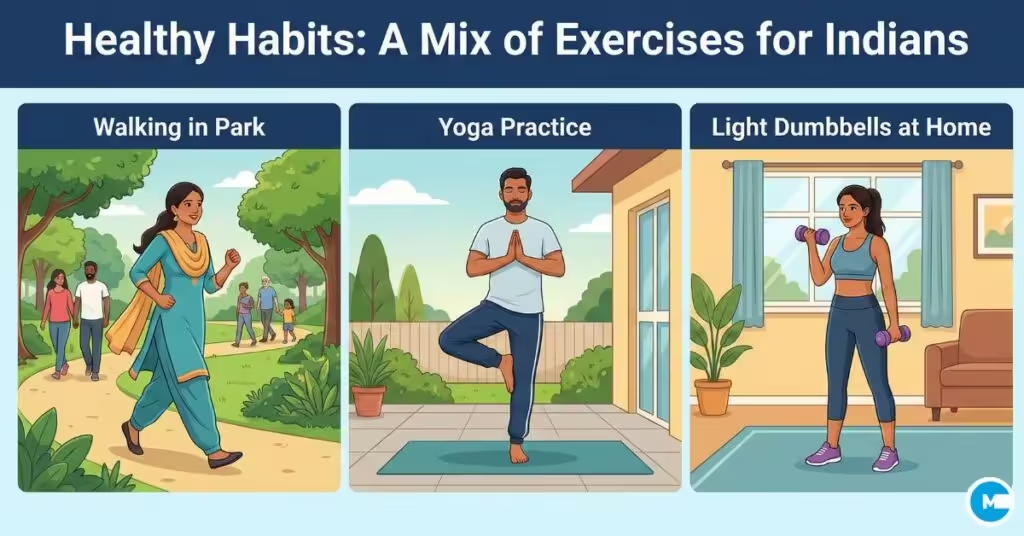
If you think managing diabetes is only about diet and medication, you’re missing one of the most powerful tools available—exercise. Regular physical activity can be as effective as medication in controlling blood sugar, and for many Indians with Type 2 diabetes, it’s the key to reducing or even eliminating the need for pills.
The challenge? Most Indians lead sedentary lifestyles. Long commutes, desk jobs, and limited space for exercise make it difficult to stay active. You might think you need a gym membership or expensive equipment, but the truth is simpler. Just 30 minutes of the right exercises daily can transform your diabetes management.
According to research from the Indian Council of Medical Research (ICMR), Indians who exercise regularly show 20-30% better blood sugar control compared to those who don’t. In this comprehensive guide, you’ll discover a complete 30-minute exercise routine designed specifically for Indians with diabetes—no gym required, suitable for all fitness levels, and proven to lower blood sugar.
For a complete diabetes management approach including diet and medication, read our Complete Guide to Diabetes Management in India.
Why Exercise is Critical for Diabetes Control
Exercise works like medicine for diabetes, but understanding how it works helps you use it effectively.
How Exercise Lowers Blood Sugar:
Immediate Effects (During & After Exercise):
- Muscles use glucose for energy, lowering blood sugar
- Insulin sensitivity improves for 2-72 hours after exercise
- Glucose uptake increases without needing extra insulin
- Blood sugar can drop 20-50 mg/dL after a 30-minute session
Long-term Benefits:
- Reduced HbA1c levels (0.5-1% reduction)
- Weight loss and better body composition
- Improved cardiovascular health
- Lower blood pressure and cholesterol
- Reduced risk of diabetes complications
- Better mood and sleep quality
- Increased energy throughout the day
Indian Context: A study in the Indian Journal of Endocrinology found that walking for just 30 minutes after dinner reduced next-day fasting blood sugar by an average of 15 mg/dL in Type 2 diabetics. This simple habit can make a significant difference.
The 3 Types of Exercise You Need
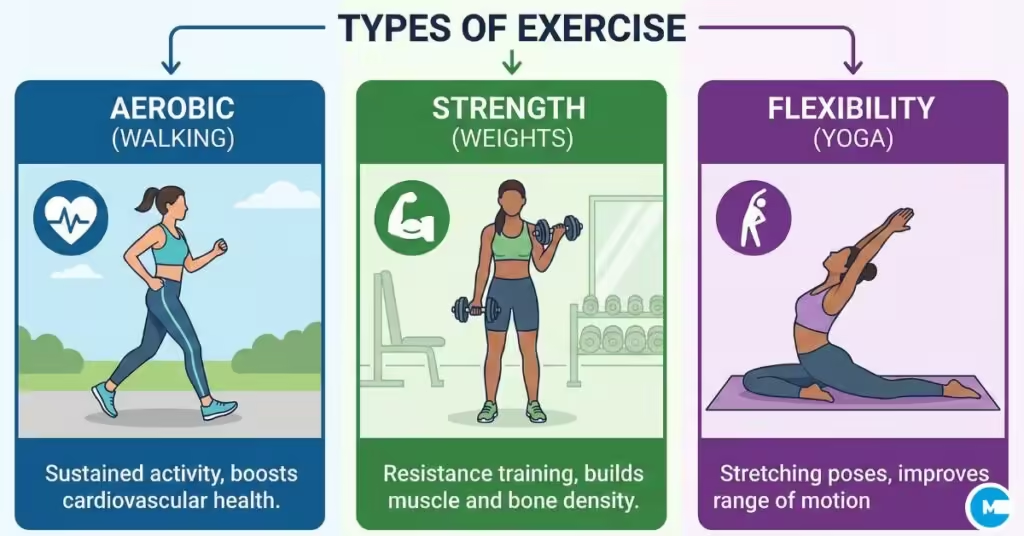
A complete diabetes exercise program includes all three types:
1. Aerobic Exercise (Cardio)
What: Activities that increase heart rate and breathing Examples: Walking, cycling, swimming, dancing Frequency: 5-7 days per week Duration: 30-45 minutes per session Benefits: Improves insulin sensitivity, burns calories, strengthens heart
2. Strength Training (Resistance)
What: Exercises that build muscle Examples: Bodyweight exercises, resistance bands, light weights Frequency: 2-3 days per week Duration: 20-30 minutes per session Benefits: Builds muscle that uses more glucose, increases metabolism
3. Flexibility & Balance (Yoga)
What: Stretching and balance exercises Examples: Yoga asanas, stretching routines Frequency: 3-5 days per week Duration: 15-20 minutes per session Benefits: Reduces stress, improves flexibility, prevents injuries
The routine below combines all three types for maximum benefit.
Your 30-Minute Daily Diabetes Exercise Routine
This routine is designed for Indians at any fitness level. Beginners should start slowly and build up over 2-4 weeks.
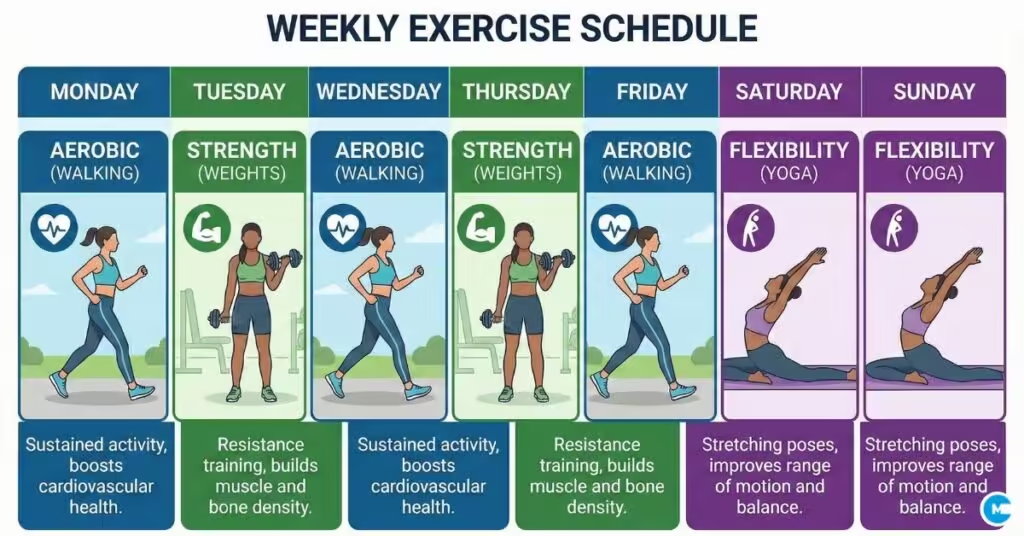
Weekly Schedule Overview
Monday, Wednesday, Friday: Cardio + Strength Training (30 mins) Tuesday, Thursday: Cardio + Yoga (30 mins) Saturday: Long Walk or Active Recreation (45-60 mins) Sunday: Gentle Yoga or Rest (15-20 mins)
Monday, Wednesday, Friday Routine (30 Minutes)
Warm-Up (5 minutes)
- Marching in place: 2 minutes
- Arm circles: 1 minute (30 seconds each direction)
- Gentle leg swings: 1 minute (30 seconds each leg)
- Neck and shoulder rolls: 1 minute
Cardio Component (15 minutes)
Choose ONE of these options:
Option 1: Brisk Walking
- Walk at a pace where you can talk but not sing
- Outdoors in your colony/society or on a treadmill
- Aim for 1.5-2 km distance
Option 2: Spot Jogging
- Jog in place in your home
- Lift knees to comfortable height
- Take short breaks if needed
Option 3: Dancing
- Put on your favorite music
- Dance continuously for 15 minutes
- Any style—Bollywood dancing works great!
Option 4: Cycling
- Outdoor cycling or stationary bike
- Moderate pace
- Cover 3-4 km
Strength Training (8 minutes)
Perform each exercise for 1 minute:
- Squats (1 minute)
- Stand with feet shoulder-width apart
- Lower hips as if sitting in a chair
- Keep chest up, knees behind toes
- Do 10-15 repetitions, rest, repeat
- Wall Push-ups (1 minute)
- Stand arm’s length from wall
- Place hands on wall at shoulder height
- Bend elbows to bring chest toward wall
- Push back to start
- Do 10-12 repetitions, rest, repeat
- Chair Dips (1 minute)
- Sit on edge of sturdy chair
- Place hands on chair edge beside hips
- Slide bottom off chair, supporting weight with arms
- Bend elbows to lower body, then push back up
- Do 8-10 repetitions, rest, repeat
- Lunges (1 minute)
- Step forward with right leg, lower hips until both knees at 90°
- Push back to start
- Alternate legs
- Do 8-10 per leg
- Plank Hold (1 minute)
- Get into push-up position on forearms
- Keep body straight from head to heels
- Hold for 20-30 seconds, rest, repeat
- Standing Calf Raises (1 minute)
- Stand with feet hip-width apart
- Raise up on toes, hold, lower down
- Do 15-20 repetitions, rest, repeat
- Bicep Curls (1 minute)
- Hold 1-2 liter water bottles or light dumbbells
- Curl weights up toward shoulders
- Lower slowly
- Do 12-15 repetitions, rest, repeat
- Arm Raises (1 minute)
- Hold water bottles at sides
- Raise arms out to sides to shoulder height
- Lower slowly
- Do 12-15 repetitions, rest, repeat
Cool Down & Stretch (2 minutes)
- Deep breathing: 1 minute
- Gentle full-body stretches: 1 minute
Tuesday, Thursday Routine (30 Minutes)
Warm-Up (5 minutes)
Same as above
Cardio Component (15 minutes)
Choose any option from Monday’s cardio list
Yoga for Diabetes (10 minutes)
Perform each asana for 1-2 minutes:
- Surya Namaskar (Sun Salutation) – 2 minutes
- Complete 3-4 rounds slowly
- Excellent for overall blood sugar control
- Vrikshasana (Tree Pose) – 1 minute
- Stand on one leg, place other foot on inner thigh
- Improves balance and concentration
- 30 seconds each side
- Bhujangasana (Cobra Pose) – 1 minute
- Lie on stomach, lift chest using arms
- Stimulates pancreas and abdominal organs
- Hold for 20-30 seconds, repeat 2-3 times
- Paschimottanasana (Seated Forward Bend) – 1 minute
- Sit with legs extended, bend forward from hips
- Helps regulate blood sugar
- Hold for 30 seconds, repeat twice
- Dhanurasana (Bow Pose) – 1 minute
- Lie on stomach, hold ankles, lift chest and knees
- Massages pancreas
- Hold for 20 seconds, repeat 2-3 times
- Ardha Matsyendrasana (Half Spinal Twist) – 1 minute
- Sit with one leg bent, twist torso
- Stimulates digestive organs
- 30 seconds each side
- Shavasana (Corpse Pose) – 3 minutes
- Lie flat on back, completely relax
- Deep breathing and relaxation
- Reduces stress hormones
For detailed yoga guidance, see our article: Yoga for Diabetes: 12 Asanas to Lower Blood Sugar.
Saturday – Long Walk (45-60 minutes)
Purpose: Build endurance and burn more calories
How to do it:
- Walk at comfortable pace in a park or neighborhood
- Aim for 5-7 km distance
- Break it into two sessions if needed (morning + evening)
- Walk with family or friends for motivation
- Carry water and glucose tablets for safety
Bonus: This is a great time to explore nature trails, visit temples, or walk to local markets instead of driving.
Sunday – Gentle Recovery (15-20 minutes)
Purpose: Active recovery and stress relief
Options:
- Gentle yoga stretches
- Slow walking
- Light swimming
- Complete rest if feeling fatigued
Listen to your body. Rest is part of training.
Exercise Safety Guidelines for Diabetics
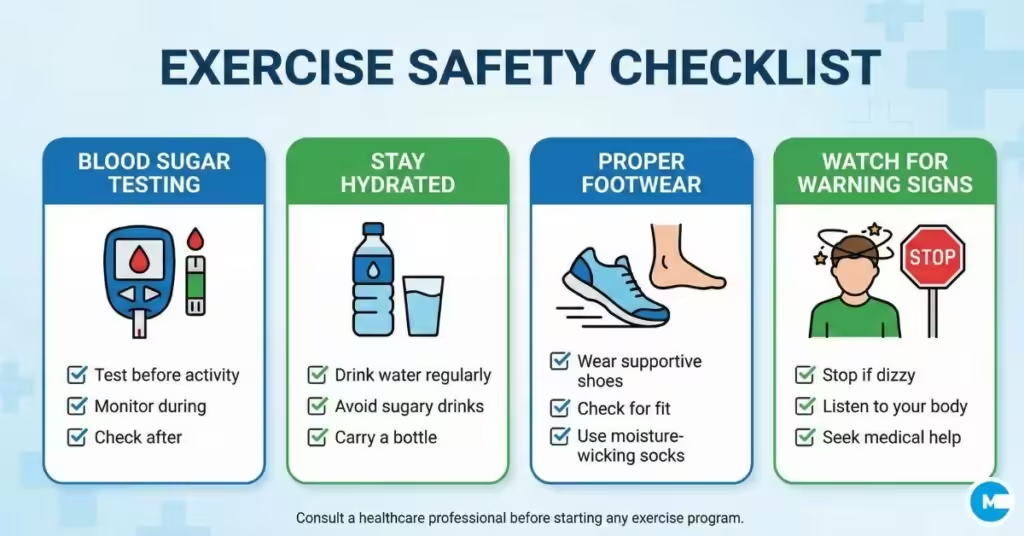
Before Exercise:
Check Blood Sugar:
- Below 100 mg/dL: Have a small snack (15-20g carbs)
- 100-250 mg/dL: Safe to exercise
- Above 250 mg/dL: Check for ketones, don’t exercise if present
- Above 300 mg/dL: Skip exercise, contact doctor
Preparation:
- Wear proper athletic shoes (very important for diabetics)
- Carry glucose tablets or candy for hypoglycemia
- Stay hydrated—drink water before, during, after
- Wear diabetes identification bracelet
- Exercise 1-2 hours after meals for best results
During Exercise:
Stop immediately if you experience:
- Dizziness or lightheadedness
- Chest pain or pressure
- Severe shortness of breath
- Nausea or vomiting
- Blurred vision
- Confusion or disorientation
- Pain in legs, feet, or joints
Signs of Low Blood Sugar (Hypoglycemia):
- Shaking or trembling
- Sweating
- Rapid heartbeat
- Hunger
- Irritability or mood changes
- Weakness
If this happens: Stop exercising, check blood sugar, consume 15g of fast-acting carbs (3-4 glucose tablets or half glass of juice), recheck after 15 minutes.
After Exercise:
- Check blood sugar 2 hours after exercise
- Monitor for delayed hypoglycemia (can occur up to 24 hours later)
- Stay hydrated
- Inspect feet for any cuts, blisters, or redness
- Record your exercise and blood sugar response
Best Time to Exercise for Diabetics
Post-Meal Exercise (Recommended): Exercising 30-90 minutes after meals provides maximum blood sugar benefits. This is when blood glucose peaks, and exercise helps bring it down.
Best Times:
- After breakfast: 8-9 AM
- After dinner: 7-8 PM (most effective for Indians)
Why evening works well for Indians:
- Dinner is often the largest, most carb-heavy meal
- Post-dinner walk is a cultural practice in many Indian communities
- Cooler temperatures (especially in summer)
- Family members can join
Fasting Exercise: Can be done but requires caution, especially if on insulin or sulfonylureas. Always check blood sugar before fasting exercise.
Tips for Success
For Beginners:
- Start small: Even 10 minutes daily is beneficial
- Build gradually: Add 5 minutes per week
- Find accountability: Exercise with a friend or family member
- Track progress: Use a simple notebook or phone app
- Be patient: Benefits accumulate over weeks and months
Staying Motivated:
Make it enjoyable:
- Choose activities you like
- Listen to music or podcasts while walking
- Join diabetes support groups that exercise together
- Try different activities to prevent boredom
Set realistic goals:
- Week 1-2: Exercise 3 days
- Week 3-4: Exercise 4 days
- Month 2+: Exercise 5-6 days
- Track your HbA1c improvements every 3 months
Overcome common barriers:
“I don’t have time” Solution: Break it into 3×10-minute sessions throughout the day. Same benefits!
“It’s too hot” Solution: Exercise early morning (5-7 AM) or evening (7-9 PM)
“I have joint pain” Solution: Try swimming, water aerobics, or chair exercises
“I’m too tired” Solution: Start with just 5-10 minutes. Often, exercise increases energy.
“I can’t afford gym” Solution: You don’t need one! Walking, home exercises, and yoga are free.
Adapting for Different Fitness Levels
If You’re Completely Sedentary:
- Week 1-2: Walk 10 minutes after dinner
- Week 3-4: Walk 15 minutes + light stretching
- Week 5-6: Walk 20 minutes + 2-3 strength exercises
- Week 7-8: Progress to full 30-minute routine
If You Have Limited Mobility:
Chair Exercises:
- Seated marching
- Arm raises with water bottles
- Seated twists
- Leg extensions
- Ankle rotations
All exercises can be modified. Consult a physiotherapist for personalized modifications.
If You’re Already Active:
Add intensity:
- Increase walking speed or add intervals
- Use heavier weights (2-5 kg dumbbells)
- Add more sets to strength exercises
- Try jogging or swimming
- Increase to 45-60 minutes daily
Monitoring Your Progress
Track These Metrics:
Weekly:
- Number of exercise sessions completed
- Total exercise time
- Blood sugar before/after exercise
- How you feel (energy, mood, sleep)
Monthly:
- Weight and waist circumference
- Average blood sugar levels
- Medication changes (if any)
- Fitness improvements (can you walk faster/longer?)
Every 3 Months:
- HbA1c test
- Lipid profile
- Blood pressure
- Overall health assessment
Expected Results:
- Month 1: Better energy, improved mood
- Month 2: Lower blood sugar readings
- Month 3: HbA1c reduction of 0.3-0.5%
- Month 6: Possible medication reduction (consult doctor)
- Month 12: HbA1c reduction of 0.5-1%, significant fitness improvements
Special Considerations
If You’re on Insulin:
- Exercise at same time daily for consistency
- May need to reduce insulin dose before exercise (consult doctor)
- Always carry fast-acting carbs
- Check blood sugar before, during (if >45 mins), and after
If You’re on Sulfonylureas (Glimepiride, Gliclazide):
- Higher risk of hypoglycemia during exercise
- Exercise after meals
- Monitor blood sugar closely
- Carry glucose tablets
If You Have Complications:
Neuropathy (Nerve Damage):
- Check feet daily for injuries
- Choose low-impact exercises (swimming, cycling)
- Wear proper cushioned shoes
- Avoid exercises that cause repetitive foot trauma
Retinopathy (Eye Problems):
- Avoid exercises that increase eye pressure
- Skip heavy weight lifting and high-intensity exercise
- Get eye exam before starting vigorous exercise
Heart Disease:
- Get doctor clearance before starting
- Start very slowly
- Monitor heart rate
- Avoid extreme temperatures
Frequently Asked Questions
How soon after exercise will I see blood sugar improvements? Blood sugar typically drops within 30-60 minutes of exercise and stays lower for 2-72 hours. Long-term improvements in HbA1c usually show after 8-12 weeks of consistent exercise.
Can exercise replace diabetes medication? For some people with Type 2 diabetes, especially in early stages, diet and exercise can control blood sugar without medication. However, never stop medication without consulting your doctor. Many people can reduce dosages over time.
Should I exercise if my blood sugar is high? If blood sugar is 250-300 mg/dL without ketones, light exercise like walking may help. Above 300 mg/dL or if ketones are present, skip exercise and contact your doctor.
What if I miss a few days? Don’t quit! Just restart. The benefits of exercise return quickly. Even inconsistent exercise is better than none.
How much exercise is too much? For most diabetics, 45-60 minutes daily is ideal. More than 90 minutes may increase injury risk without significant additional benefits. Quality matters more than quantity.
Conclusion: Make Movement Your Medicine
Exercise is one of the most powerful tools you have for managing diabetes. Unlike medication that requires a prescription, exercise is free, accessible, and has only positive side effects. The routine provided here is designed specifically for Indians—it fits into your lifestyle, requires no equipment, and can be done entirely at home or in your neighborhood.
Remember:
- Start where you are, not where you think you should be
- Consistency beats intensity
- Every step counts toward better health
- Exercise becomes easier and more enjoyable over time
- You’re not just exercising for diabetes—you’re investing in overall health and longevity
Don’t wait for the perfect time or perfect conditions. Start today with just 10 minutes. Your body and blood sugar will thank you.
Related Articles:
- Complete Guide to Diabetes Management in India
- 10 Early Diabetes Symptoms You Shouldn’t Ignore
- Best Indian Breakfast for Diabetics
- Yoga for Diabetes: 12 Asanas to Lower Blood Sugar
About the Author
Dr. Rajesh Kumar, MBBS, MD (Endocrinology) Dr. Kumar is a consultant endocrinologist with 18 years of experience at AIIMS, New Delhi. He has helped thousands of diabetic patients incorporate exercise into their daily routines and has published research on physical activity interventions for South Asian diabetics.
Exercise Consultant: Vikram Singh, MSc (Exercise Physiology), Certified Diabetes Educator
Last Updated: February 18, 2025
Next Review Date: August 2025
Medical Disclaimer
This exercise program provides general guidance for adults with diabetes. Individual needs vary based on fitness level, diabetes type, medications, and complications. Always consult your doctor before starting a new exercise program, especially if you have been inactive, have diabetes complications, or take insulin or other medications that can cause low blood sugar. Stop exercising and seek medical attention if you experience chest pain, severe shortness of breath, or other concerning symptoms.
References
- Indian Council of Medical Research (ICMR). Physical Activity Guidelines for Indians. 2023.
- American Diabetes Association. Physical Activity and Diabetes. Diabetes Care. 2024;47(Supplement 1).
- Indian Journal of Endocrinology and Metabolism. Exercise Interventions in Type 2 Diabetes. 2023.
- Journal of Association of Physicians of India. Walking and Diabetes Control in Indians. 2023.