
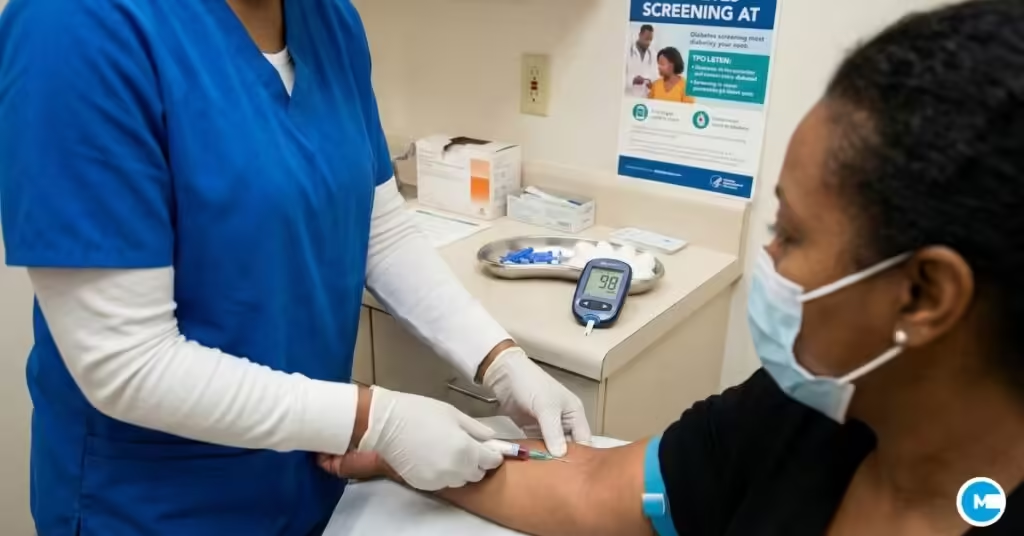
“You need to get a fasting blood sugar test done.”
Your doctor just said these words, and you have questions. What exactly is this test? Why do you need to fast? How long? What do the results mean? And most importantly—do you have diabetes?
The fasting blood sugar (FBS) test, also called fasting plasma glucose (FPG), is one of the simplest yet most important blood tests for diagnosing and monitoring diabetes. According to the Indian Council of Medical Research (ICMR) guidelines for Type 2 diabetes management, the FBS test is a primary diagnostic tool used across India for diabetes screening.
With over 101 million Indians living with diabetes and millions more in the prediabetes stage, understanding this fundamental test is crucial. In this comprehensive guide tailored for Indian readers, you’ll learn everything about the fasting blood sugar test—from preparation to interpretation—using guidelines from ICMR, WHO, and leading Indian hospitals.
For complete diabetes management information, read our Complete Guide to Diabetes Management in India.
What is a Fasting Blood Sugar Test?
Definition:
The fasting blood sugar test measures the amount of glucose (sugar) in your blood after you haven’t eaten for at least 8-12 hours. It shows how well your body regulates blood sugar when you’re in a fasted state, without the influence of food.
Why “Fasting”?
When you eat, blood sugar naturally rises as your body digests carbohydrates. By testing after fasting overnight, doctors get a baseline reading that shows:
- How well your liver is managing glucose overnight
- How effectively your insulin is working
- Your body’s baseline glucose control without food interference
What It Diagnoses:
According to Apollo Diagnostics, the FBS test helps diagnose:
- Diabetes mellitus (Type 1 and Type 2)
- Prediabetes (increased diabetes risk)
- Gestational diabetes (during pregnancy)
- Monitoring existing diabetes control
Normal Fasting Blood Sugar Range
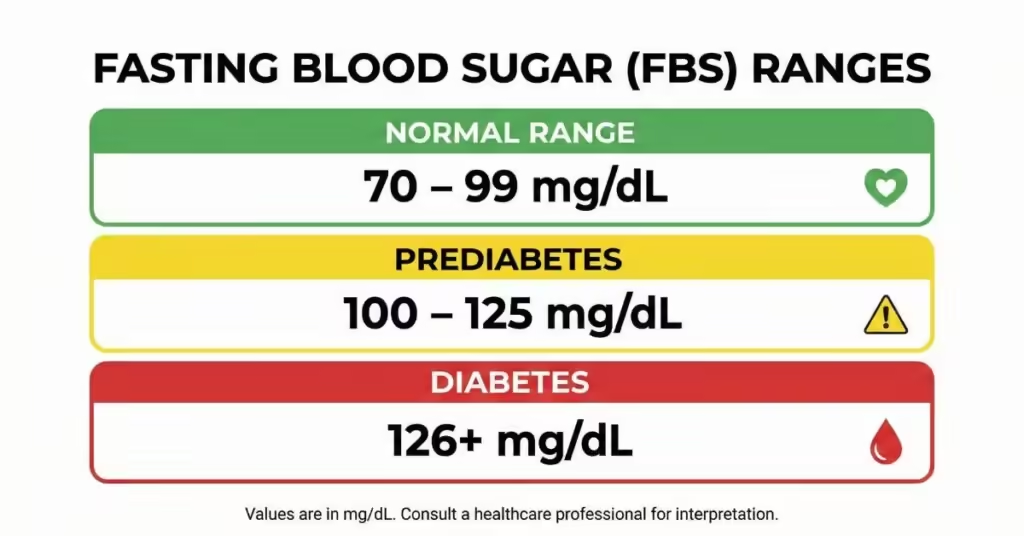
Standard Ranges (ICMR & WHO Guidelines):
| Fasting Blood Sugar Level | Category | What It Means |
|---|---|---|
| 70-99 mg/dL (3.9-5.5 mmol/L) | Normal | Healthy blood sugar regulation. No diabetes. |
| 100-125 mg/dL (5.6-6.9 mmol/L) | Prediabetes | Higher than normal but not yet diabetes. High risk of developing diabetes. Action needed! |
| 126 mg/dL or higher (7.0 mmol/L or higher) | Diabetes | Diabetes diagnosis if confirmed on two separate tests. |
| Below 70 mg/dL (3.9 mmol/L) | Hypoglycemia | Low blood sugar. Can be dangerous. May need immediate treatment. |
Important Note: According to Medicover Hospitals, if your fasting blood sugar is 126 mg/dL or higher on two separate occasions, diabetes is diagnosed.
For People Already Diagnosed with Diabetes:
The target fasting blood sugar for most diabetics is:
- 80-130 mg/dL (as per American Diabetes Association)
- 70-130 mg/dL (as per ICMR guidelines for Indians)
Your doctor may set a different personalized target based on:
- Your age
- Duration of diabetes
- Medications you’re taking
- Presence of complications
- Overall health status
For understanding your overall diabetes control: How to Read Your HbA1c Test Results.
How to Prepare for Fasting Blood Sugar Test
The Night Before:
1. Eat Your Last Meal by 8-9 PM:
- Have a normal dinner
- Don’t overeat or undereat
- Avoid very fatty or heavy foods (can affect results)
2. Start Your Fast:
- No food after dinner
- No snacks or midnight munching
- Water is allowed (plain water only)
3. What to Avoid: ❌ NO Coffee or tea (even without sugar/milk) ❌ NO Juice or milk ❌ NO Alcohol ❌ NO Chewing gum or mints ❌ NO Smoking (can affect results)
4. Medications:
- Discuss with your doctor before the test
- Some medications should be taken after the test
- Diabetes medications: Usually taken after the test
- Other medications: Ask your doctor specifically
The Morning of the Test:
DO: ✅ Drink plain water (helps with blood draw) ✅ Brush your teeth (don’t swallow toothpaste) ✅ Go to the lab early (8-9 AM is ideal) ✅ Bring doctor’s prescription ✅ Wear comfortable clothes (easy arm access)
DON’T: ❌ Don’t exercise vigorously ❌ Don’t skip sleep (poor sleep affects blood sugar) ❌ Don’t stress (stress raises blood sugar)
How Long to Fast:
Minimum: 8 hours Maximum: 14 hours (don’t fast longer—can affect results) Ideal: 10-12 hours
Example:
- Last meal: 8 PM
- Test scheduled: 8 AM
- Fasting duration: 12 hours ✓
The Testing Procedure
Step-by-Step Process:
1. Registration (5 minutes)
- Present prescription and ID
- Fill registration form
- Make payment
2. Blood Sample Collection (2-3 minutes)
According to Metropolis India, the blood collection procedure is:
- You’ll be seated comfortably
- Technician cleans your arm with antiseptic
- Elastic band (tourniquet) tied around upper arm
- Needle inserted into vein (usually at inner elbow)
- Small amount of blood collected (3-5 ml)
- Pressure applied to stop bleeding
- Band-aid placed
3. Post-Collection (Immediately)
- You can eat/drink immediately after
- Rest for 5 minutes if you feel dizzy
- Take your medications if delayed
4. Results
- Usually available same day (2-6 hours)
- Some labs offer 1-hour express service
- Online reports available on lab portals
Does It Hurt?
Most people feel a quick pinch when the needle goes in. The discomfort is minimal and lasts only a second. If you’re anxious about needles, look away and take deep breaths.
Cost of Fasting Blood Sugar Test in India
Price Range Across India (2025):
Government Hospitals:
- Cost: ₹20-100
- Quality: Reliable, NABL accredited
- Wait time: May be longer
- Examples: AIIMS, government medical colleges, district hospitals
Private Diagnostic Centers:
- Thyrocare: ₹60-100
- Dr. Lal PathLabs: ₹100-200
- Metropolis Healthcare: ₹120-250
- SRL Diagnostics: ₹150-300
- Apollo Diagnostics: ₹100-200
Hospital Labs:
- Fortis: ₹200-300
- Apollo: ₹150-250
- Max Healthcare: ₹200-350
Home Collection Services:
- Base price: Same as above
- Home visit charges: ₹50-150 extra
- Available through: Most private labs, 1mg, PharmEasy
How to Save Money:
1. Choose Government Facilities:
- Free or under ₹50 at most PHCs
- Equally accurate as private labs
- NABL accredited
2. Combo Packages:
- Diabetes screening packages include FBS + HbA1c + Lipid profile
- Cost: ₹500-800 (cheaper than individual tests)
3. Health Insurance:
- Many insurance plans cover diagnostic tests
- Check with your provider
- Cashless facility available at network labs
4. Corporate Wellness Programs:
- Annual health checkups often free
- Check with your HR department
Understanding Your Test Results
If Your Result is Normal (70-99 mg/dL):
What It Means:
- Your body is regulating blood sugar well
- No diabetes currently
- Low risk
Next Steps:
- Continue healthy lifestyle
- Retest annually if you have risk factors
- Maintain healthy weight, exercise, eat well
If Your Result is Prediabetes (100-125 mg/dL):
What It Means:
- Blood sugar higher than normal
- Not yet diabetes but close
- 25-50% chance of developing diabetes within 5 years
- This is a warning—take action now!
Next Steps:
- Confirm with additional test:
- Repeat FBS test
- HbA1c test recommended
- Oral glucose tolerance test (OGTT) may be done
- Lifestyle changes (URGENT):
- Lose 5-7% body weight if overweight
- Exercise 30 minutes daily
- Reduce refined carbohydrates
- Increase vegetables and whole grains
- Follow-up:
- Retest every 3-6 months
- Monitor progress
For detailed guidance: Prediabetes in India: How to Reverse It Before It’s Too Late.
If Your Result is Diabetes (126 mg/dL or Higher):
What It Means:
- Indicates diabetes
- Requires confirmation with second test on different day
- Medical intervention needed
Next Steps:
1. Confirmation: According to ICMR guidelines, diabetes diagnosis requires:
- Two fasting blood sugar tests ≥126 mg/dL on different days
- OR one FBS ≥126 mg/dL + symptoms + random blood sugar ≥200 mg/dL
- OR HbA1c ≥6.5%
2. Consult Doctor Immediately:
- Endocrinologist or diabetologist
- Complete diabetes evaluation
- Start treatment plan
3. Additional Tests Needed:
- HbA1c (shows 3-month average)
- Lipid profile
- Kidney function tests
- Eye examination
- Complete blood count
4. Begin Treatment:
- Lifestyle modifications
- Medications if needed
- Blood sugar monitoring
- Education about diabetes management
For comprehensive management: Complete Guide to Diabetes Management in India.
If Your Result is Low (Below 70 mg/dL):
What It Means:
- Hypoglycemia (low blood sugar)
- Can occur in diabetics on medication
- Can occur in non-diabetics due to other conditions
Possible Causes:
- Fasted too long (>14 hours)
- Excessive diabetes medication
- Kidney or liver disease
- Hormonal disorders
- Alcohol consumption before test
Next Steps:
- Consult doctor to identify cause
- May need additional tests
- Medication adjustment if diabetic
FBS vs Other Blood Sugar Tests
Comparison Table:
| Test Type | Fasting Required | What It Measures | Cost | Best For |
|---|---|---|---|---|
| Fasting Blood Sugar (FBS) | Yes (8-12 hrs) | Baseline glucose | ₹50-300 | Initial screening, monitoring |
| Random Blood Sugar | No | Glucose at any time | ₹50-150 | Quick check, symptomatic patients |
| HbA1c | No | 3-month average | ₹300-600 | Overall control, diagnosis |
| Post-Prandial (PP) | No (2 hrs after meal) | Post-meal glucose | ₹70-200 | How body handles food |
| Oral Glucose Tolerance Test (OGTT) | Yes (8-12 hrs) | Glucose processing ability | ₹200-500 | Gestational diabetes, borderline cases |
Which Test is Best?
According to WHO guidelines:
For Diagnosis:
- FBS and HbA1c are equally valid
- FBS is cheaper and more accessible in India
- HbA1c doesn’t require fasting (more convenient)
For Monitoring:
- HbA1c every 3 months (overall control)
- FBS weekly or as directed (day-to-day control)
- Both are important
Factors That Can Affect Your FBS Results
Things That Can Raise Your FBS:
- Stress (physical or emotional)
- Illness or infection
- Certain medications (steroids, some blood pressure drugs)
- Poor sleep (less than 6 hours)
- Hormonal changes (menstruation, menopause)
- Eating late the night before
- Intense exercise the previous day
Things That Can Lower Your FBS:
- Excessive fasting (>14 hours)
- Too much diabetes medication
- Alcohol consumption before test
- Strenuous exercise before test
For Accurate Results:
✅ Fast for 10-12 hours (not more, not less) ✅ Get adequate sleep (7-8 hours) ✅ Avoid stress before test ✅ Don’t exercise vigorously morning of test ✅ Take test at same time when repeating ✅ Use same laboratory for comparison
When to Get Your FBS Tested
Recommended Screening Age:
According to ICMR guidelines:
All Indians Should Get Tested:
- Age 25+ if overweight or have risk factors
- Age 35+ regardless of weight or risk factors
- Annually if you have prediabetes
- Every 3 years if previous tests were normal
Test Immediately If You Have:
Diabetes Symptoms:
- Excessive thirst and urination
- Unexplained weight loss
- Constant fatigue
- Blurred vision
- Slow-healing wounds
For detailed symptoms: 10 Early Diabetes Symptoms Indians Often Ignore.
Risk Factors:
- Family history of diabetes
- Overweight (BMI ≥23 for Indians)
- Sedentary lifestyle
- High blood pressure
- High cholesterol
- PCOS in women
- Previous gestational diabetes
- History of heart disease
Frequently Asked Questions
Can I drink water before a fasting blood sugar test? Yes! Plain water is allowed and encouraged. It doesn’t affect results and makes blood draw easier. Avoid adding lemon, sugar, or anything else.
What if I accidentally ate something? Inform the lab technician immediately. You’ll likely need to reschedule. Even a small snack or beverage (except water) can significantly affect results.
Can I take my medications before the test? Discuss with your doctor. Generally, diabetes medications are taken after the test. Blood pressure and heart medications may need to be taken—ask specifically.
Why do I need to repeat the test if it’s high? One high reading doesn’t confirm diabetes. Stress, illness, or laboratory error can cause temporary elevation. ICMR and WHO guidelines require two abnormal readings for diagnosis.
Is fasting blood sugar test painful? You’ll feel a quick pinch when the needle enters—mild discomfort for 2-3 seconds. Most people tolerate it easily.
How long does it take to get results? Most labs provide results within 2-6 hours. Some offer 1-hour express service. Results are often available online on lab portals.
Conclusion: A Simple Test, Powerful Information
The fasting blood sugar test is one of the simplest, cheapest (₹50-300), and most informative tests you can get. It takes just 5 minutes but provides crucial information about your diabetes risk or control.
Key Takeaways:
- Normal range: 70-99 mg/dL
- Prediabetes: 100-125 mg/dL (take action!)
- Diabetes: ≥126 mg/dL (confirmed with repeat test)
- Fast: 8-12 hours (water allowed)
- Cost: ₹50-300 depending on lab
- Frequency: Annually for adults 35+, more often if high risk
Don’t wait for symptoms to appear. Many people with prediabetes or early diabetes have no symptoms at all. Early detection through simple FBS testing can prevent years of complications.
Take Action Today: If you haven’t been tested in the past year and you’re over 35 or have risk factors, schedule your fasting blood sugar test this week. It might be the most important ₹100 you ever spend.
Related Articles:
- Complete Guide to Diabetes Management in India
- How to Read Your HbA1c Test Results
- Prediabetes: How to Reverse It Before It’s Too Late
- 10 Early Diabetes Symptoms Indians Often Ignore
- How to Check Blood Sugar at Home
About the Author
Dr. Rajesh Kumar, MBBS, MD (Endocrinology) Dr. Kumar has interpreted thousands of fasting blood sugar test results over his 18 years at AIIMS, New Delhi. He believes in early detection through simple, accessible testing and empowering patients to understand their results.
Last Updated: April 1, 2025
Next Review Date: October 2025
Medical Disclaimer
This article provides general educational information about the fasting blood sugar test. It is not a substitute for professional medical advice. Test result interpretation should be done by a qualified healthcare provider who can consider your complete medical history and individual circumstances. Never make treatment decisions based solely on test results without consulting your doctor. In case of very high or very low blood sugar, seek immediate medical attention.
References
- Indian Council of Medical Research (ICMR). Guidelines for Management of Type 2 Diabetes 2018.
- World Health Organization (WHO). Diabetes – SEA Regional Office.
- Metropolis Healthcare India. Normal Blood Sugar Levels Chart 2025.
- Medicover Hospitals. Fasting Blood Sugar Test: Cost, Procedure, Risk & Normal Range.
- Apollo Diagnostics. Blood Sugar Test Types, Average Levels & Diabetes.
- American Diabetes Association. Standards of Medical Care in Diabetes. Diabetes Care. 2024;47(Supplement 1).