
Mediterranean Diet Cuts Women’s Stroke Risk by 18%, Major Study Shows
According to research published in Neurology Open Access, women following a Mediterranean diet showed 18% lower stroke risk. The diet reduced ischemic strokes by 16% and hemorrhagic strokes by 25%. City of Hope researchers tracked 105,614 women over 21 years, proving diet’s powerful stroke prevention role.
Read Full Report
What Is the Mediterranean Diet and How Does It Prevent Strokes?
Women who closely follow a Mediterranean diet pattern may reduce their stroke risk by up to 18%, according to groundbreaking research published February 4, 2026, in Neurology Open Access, the official journal of the American Academy of Neurology. The comprehensive study, which tracked 105,614 women over an average of 21 years, represents one of the most extensive investigations into the relationship between Mediterranean eating patterns and stroke prevention in women.
According to study author Dr. Sophia S. Wang, professor of epidemiology at City of Hope Comprehensive Cancer Center in Duarte, California, the findings provide compelling evidence that diet plays a critical role in stroke prevention. “Our findings support the mounting evidence that a healthy diet is critical to stroke prevention,” Dr. Wang stated in the official press release. “Stroke is a leading cause of death and disability, so it’s exciting to think that improving our diets could lessen our risk for this devastating disease.”
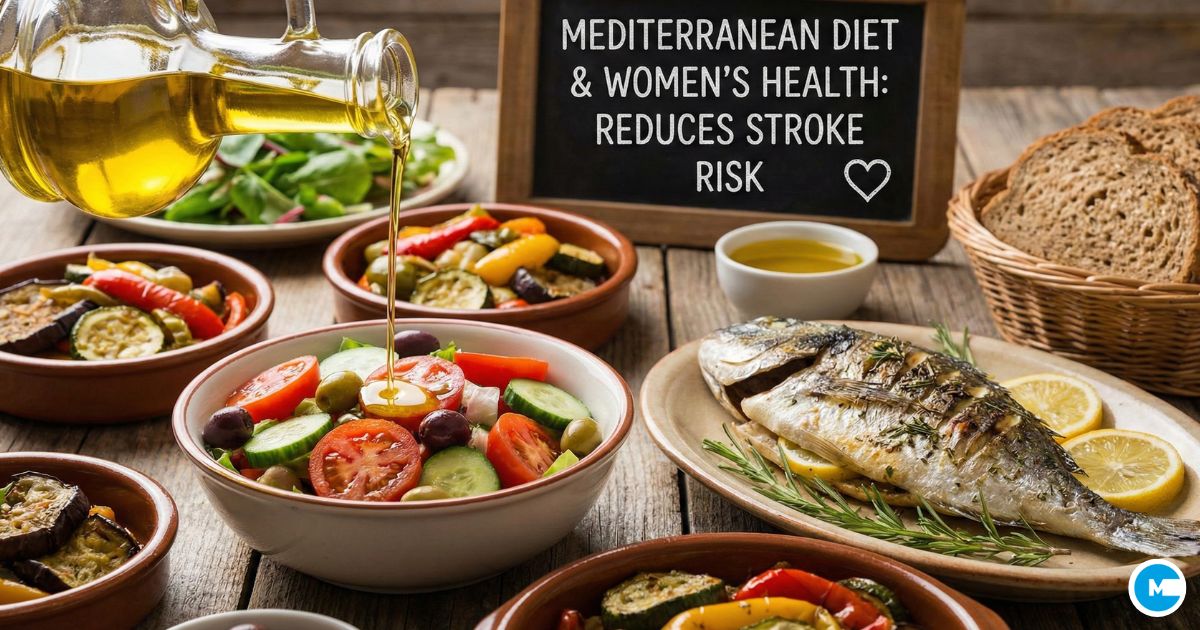
The Mediterranean diet emphasizes plant-based foods, healthy fats from olive oil, moderate fish consumption, and minimal red meat – an eating pattern that has been recognized by the American Heart Association as one of the healthiest dietary approaches available.
How Much Does the Mediterranean Diet Reduce Different Types of Stroke?
The research revealed significant protective effects across all major stroke types. Women with the highest adherence to Mediterranean dietary patterns showed:
- 18% lower risk of any stroke type
- 16% reduction in ischemic stroke (caused by blood clots blocking brain blood flow)
- 25% decrease in hemorrhagic stroke (caused by bleeding in the brain)
These findings are particularly significant because hemorrhagic strokes, while less common than ischemic strokes, are often more severe and have higher mortality rates. According to Dr. Andrew Freeman, director of cardiovascular prevention and wellness at National Jewish Health in Denver, “This is another study in a long line of well-done research showing that a predominantly low-fat, whole-food, plant-based diet is one of the best ways to prevent a wide range of diseases, particularly cardiovascular and cerebrovascular disease.”
Why Are Women at Higher Risk for Stroke?
Women face unique stroke risks that make these findings especially important. According to the Centers for Disease Control and Prevention (CDC), 1 in 5 women between ages 55 and 75 will experience a stroke. Dr. Wang noted that “stroke risk for women increases when they reach menopause and is elevated afterward.” The study demonstrates that dietary interventions can help offset these increased risks during critical life stages.
The research included women with an average age of 53 at enrollment, providing crucial data about stroke prevention during the perimenopausal and postmenopausal years when cardiovascular risk typically rises. Participants completed detailed food frequency questionnaires and received scores from 0 to 9 based on their adherence to Mediterranean diet principles. Thirty percent of participants scored 6-9 (high adherence), while 12.5% scored 0-2 (low adherence).
What Foods Make Up the Mediterranean Diet for Stroke Prevention?
The Mediterranean eating pattern includes specific components that research links to cardiovascular protection:
Foods to Eat More:
- Fresh vegetables and leafy greens (high intake)
- Fruits including berries, citrus, and seasonal varieties
- Whole grains like barley, farro, and brown rice
- Legumes (beans, lentils, chickpeas)
- Nuts and seeds
- Olive oil as the primary fat source
- Fish and seafood at least twice weekly
- Moderate amounts of red wine (optional)
Foods to Limit:
- Red meat (consume sparingly)
- Processed meats
- Dairy products (use in moderation)
- Saturated fats
- Refined sugars and sweets
- Processed foods
According to Kristin Kirkpatrick, dietitian at Cleveland Clinic Department of Wellness & Preventive Medicine, “These findings are consistent with previous studies linking the Mediterranean diet with a reduced risk of heart attack and stroke. The components of the Mediterranean diet are often associated with improved longevity and reduced risk of mortality from all causes in females.”
How to Start a Mediterranean Diet Today for Stroke Prevention
Week 1: Simple Swaps
- Replace butter with extra virgin olive oil
- Add one serving of vegetables to each meal
- Choose whole grain bread over white bread
- Snack on nuts instead of chips
Week 2-4: Build the Pattern
- Plan two fish-based meals per week
- Create a weekly menu featuring Mediterranean recipes
- Stock your pantry with legumes, whole grains, and olive oil
- Reduce red meat to once per week or less
Long-Term Success Tips:
- Focus on variety and colorful vegetables
- Make it social – Mediterranean eating emphasizes shared meals
- Use herbs and spices instead of salt
- Stay hydrated with water as your primary beverage
Public Health Message: Stroke Prevention Through Diet
These research findings offer hope for the millions of women at risk for stroke. Unlike genetic factors you cannot control, dietary choices represent a powerful, accessible intervention that anyone can implement. The 18% reduction in stroke risk translates to thousands of strokes prevented annually if adopted widely.
If you have a family history of stroke, high blood pressure, or other cardiovascular risk factors, adopting a Mediterranean eating pattern could be one of the most important health decisions you make. The diet’s benefits extend beyond stroke prevention – previous research has linked Mediterranean eating to reduced risks of dementia, depression, type 2 diabetes, and certain cancers.
Speak with your healthcare provider about how dietary changes fit into your overall stroke prevention strategy. While diet is powerful, it works best as part of a comprehensive approach including regular physical activity, stress management, adequate sleep, and appropriate medical care.
Remember: every meal is an opportunity to protect your brain health. Small, consistent changes in your eating patterns can create significant long-term benefits. As Dr. Wang emphasized, “Further studies are needed to confirm these findings and to help us understand the mechanisms behind them so we could identify new ways to prevent stroke” – but the current evidence strongly supports Mediterranean eating for women’s cardiovascular health.
Public Health Angle: The Mediterranean diet offers an accessible, evidence-based strategy for stroke prevention that any woman can implement. With stroke being a leading cause of death and disability in women, especially post-menopause, these dietary changes represent a powerful intervention that addresses a critical public health challenge without requiring expensive treatments or complex medical procedures.
SOURCES
- Neurology Open Access – “Mediterranean Diet and the Risk of Stroke Subtypes in Women” (February 4, 2026)
- City of Hope Comprehensive Cancer Center – Dr. Sophia S. Wang, official study statements
- American Academy of Neurology – Press release and research summary (February 4, 2026)
- CNN Health – “Mediterranean diet associated with lower risk of stroke in women” (February 4, 2026)
- ScienceDaily – “This popular diet was linked to a much lower stroke risk” (February 9, 2026)
- Dr. Andrew Freeman, National Jewish Health – Expert commentary on cardiovascular prevention
- Kristin Kirkpatrick, Cleveland Clinic – Dietitian expert analysis
- Centers for Disease Control and Prevention (CDC) – Stroke statistics and prevention guidelines
DISCLAIMER
This article is based on peer-reviewed research published in Neurology Open Access, an official journal of the American Academy of Neurology. According to the study by Dr. Sophia S. Wang and colleagues at City of Hope, 105,614 women were followed for an average of 21 years (1996-2020). The 18% stroke risk reduction, 16% ischemic stroke reduction, and 25% hemorrhagic stroke reduction are based on women with Mediterranean diet adherence scores of 6-9 compared to those scoring 0-2. All statistics and health recommendations come from verified peer-reviewed sources and official medical organization statements.