
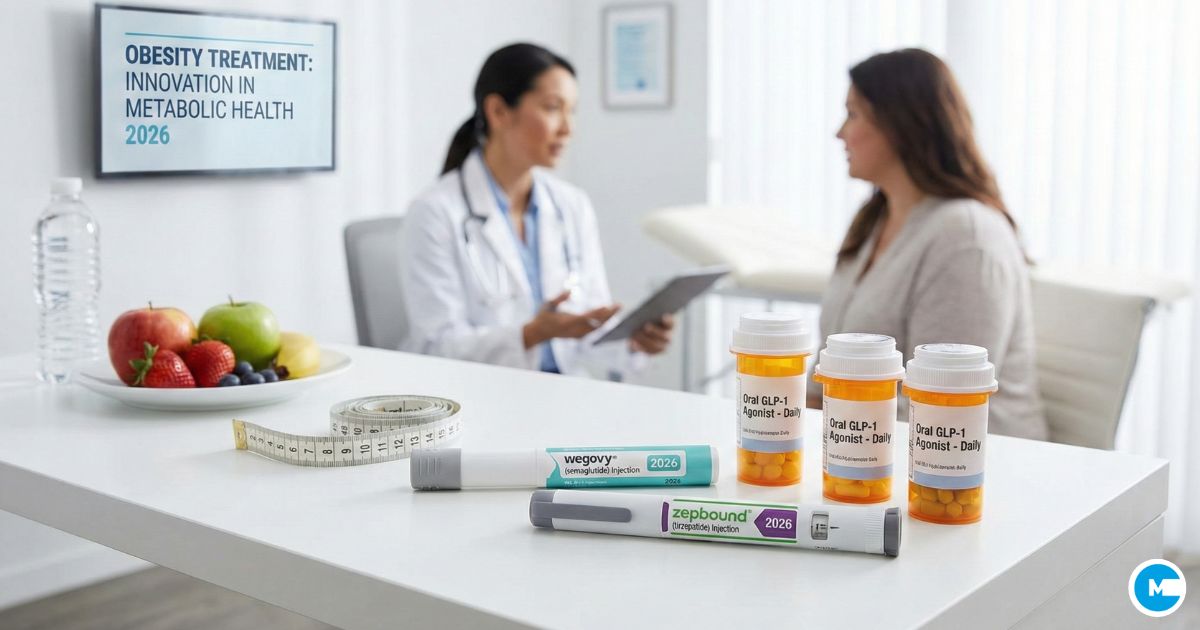
GLP-1 Weight Loss Medications Transform Obesity Treatment in 2026
According to J.P. Morgan Healthcare Conference, GLP-1 medications like Wegovy and Zepbound dominate 2026 weight loss treatments. New oral versions eliminate injections, while Medicare price negotiations improve affordability. Industry experts call GLP-1s a “strategic investment” reducing obesity-related chronic diseases and healthcare costs nationwide.
Read Full Report
What Are GLP-1 Medications and How Do They Work for Weight Loss?
Glucagon-like peptide-1 (GLP-1) medications have revolutionized obesity treatment in 2026, with blockbuster drugs like Wegovy (semaglutide) and Zepbound (tirzepatide) dominating weight loss discussions across healthcare. According to a U.S. News poll of 58 health experts, 52% identified increased GLP-1 use as the top health trend of 2026, reflecting these medications’ profound impact on managing obesity and related conditions.
GLP-1 medications work by mimicking a natural hormone that regulates appetite and blood sugar levels. These drugs help people feel fuller longer, reduce food cravings, and eat less without constant hunger. According to data from the J.P. Morgan Healthcare Conference in January 2026, researchers continue discovering benefits beyond weight loss, including diabetes prevention and cardiovascular risk reduction.
“I think the explosion of GLP-1s use will continue, and with the cost decreasing, increased utilization will increase our understanding of the benefits and the adverse effects of the drugs,” stated healthcare policy experts at the conference. KFF research shows approximately one in five U.S. adults have used GLP-1 drugs, with usage rates climbing as costs decrease.
What Types of GLP-1 Weight Loss Medications Are Available in 2026?
Injectable GLP-1 Medications:
Wegovy (Semaglutide)
- FDA approved specifically for weight loss
- Weekly injection
- Average weight loss: 15-20% of body weight
- Also available as Ozempic for diabetes treatment
- Manufacturer: Novo Nordisk
Zepbound (Tirzepatide)
- Dual GIP/GLP-1 receptor agonist
- Weekly injection
- Average weight loss: 15-25% of body weight
- Also available as Mounjaro for diabetes
- Manufacturer: Eli Lilly
Oral GLP-1 Medications (New in 2026):
According to Scientific American reporting, the FDA approved Novo Nordisk’s oral GLP-1 medication specifically for weight loss on December 22, 2025 – a major breakthrough. Novo Nordisk’s Rybelsus, previously approved in 2019 for type 2 diabetes, now has a weight-loss-specific formulation. Eli Lilly also has an oral GLP-1 pill in development, creating competition that should benefit patients through lower prices and more options.
The oral formulations address a significant barrier: needle phobia and injection reluctance. While it remains to be seen how effective pill formulations will be compared to injectable versions (absorption through the digestive system differs from subcutaneous injection), early results show promise for patients who avoid injections.
How Much Do GLP-1 Weight Loss Medications Cost in 2026?
Without Insurance:
- Wegovy: $1,000-$1,500 per month
- Zepbound: $1,000-$1,200 per month
- Oral versions: Expected $800-$1,200 per month
With Medicare/Medicaid (After Trump Administration Negotiations): According to industry reports, the Trump administration brokered deals for lower GLP-1 prices for Medicare and Medicaid recipients, significantly expanding access. Specific negotiated prices vary by state and plan.
With Private Insurance: Coverage varies widely. Many insurance plans now cover GLP-1 medications for patients with:
- BMI ≥30 (obesity)
- BMI ≥27 with weight-related conditions (diabetes, high blood pressure, sleep apnea)
- Documentation of previous weight loss attempts
What Are Common GLP-1 Side Effects?
Gastrointestinal Effects (Most Common):
- Nausea (affects 20-40% of users, especially when starting)
- Vomiting
- Diarrhea
- Constipation
- Abdominal pain
- Bloating
Less Common But Serious:
- Pancreatitis
- Gallbladder problems
- Thyroid tumors (rare, seen in animal studies)
- Kidney problems
- Vision changes
- Increased heart rate
Management Strategies:
- Start with lowest dose and increase gradually
- Eat smaller, more frequent meals
- Avoid fatty, greasy foods
- Stay well-hydrated
- Take medication as prescribed (don’t skip doses)
Most side effects diminish after 4-8 weeks as your body adjusts to the medication.
How Much Weight Can You Lose on GLP-1 Medications?
Clinical trial results and real-world data from 2025-2026 show:
Wegovy (Semaglutide):
- Average: 15% body weight loss over 68 weeks
- Some patients: Up to 20%+ weight loss
- Example: 200-pound person loses 30-40 pounds
Zepbound (Tirzepatide):
- Average: 20% body weight loss
- Some patients: Up to 25%+ weight loss
- Example: 200-pound person loses 40-50 pounds
Important Factors Affecting Results:
- Adherence to medication schedule
- Lifestyle changes (diet and exercise)
- Starting weight
- Individual metabolism
- Consistency over time
According to healthcare experts, GLP-1 medications work best when combined with lifestyle modifications, not as standalone solutions.
Who Should Consider GLP-1 Weight Loss Medications?
Good Candidates:
- BMI ≥30 (obesity)
- BMI ≥27 with weight-related health conditions
- Previous unsuccessful weight loss attempts with diet/exercise alone
- Commitment to long-term treatment
- No contraindications (see below)
Who Should Avoid GLP-1 Medications:
- Personal or family history of medullary thyroid cancer
- Multiple Endocrine Neoplasia syndrome type 2
- Pregnant or planning pregnancy
- Breastfeeding
- History of pancreatitis
- Severe gastrointestinal disease
- Type 1 diabetes (consult endocrinologist)
What Health Benefits Beyond Weight Loss Do GLP-1 Drugs Provide?
According to research presented at the J.P. Morgan Healthcare Conference:
Cardiovascular Benefits:
- Reduced risk of heart attack
- Lower stroke risk
- Improved blood pressure
- Better cholesterol levels
Metabolic Benefits:
- Type 2 diabetes prevention (up to 30% risk reduction)
- Improved insulin sensitivity
- Better blood sugar control
- Reduced fatty liver disease
Other Potential Benefits:
- Kidney disease protection
- Fertility improvements in some women with PCOS
- Possible benefits for arthritis (reduced joint stress)
- Under study: addiction treatment applications
Industry and government leaders call GLP-1s a “strategic investment” in fighting health risks associated with obesity. Developing and expanding access to GLP-1s could decrease the prevalence of chronic noncommunicable diseases in obese populations and lower overall healthcare utilization.
Public Health Message: Making Informed Decisions About GLP-1 Medications
The obesity epidemic affects over 40% of American adults, contributing to heart disease, diabetes, stroke, and certain cancers. GLP-1 medications represent powerful tools for addressing this public health crisis, especially as oral versions eliminate injection barriers and government negotiations improve affordability.
However, these are serious medical treatments requiring professional supervision. If you’re considering GLP-1 medications:
- Consult your healthcare provider for comprehensive evaluation of benefits and risks for your situation
- Understand this is long-term treatment – stopping medication often results in weight regain
- Commit to lifestyle changes – medication works best with improved nutrition and increased physical activity
- Be prepared for side effects – especially gastrointestinal symptoms in the first weeks
- Verify insurance coverage before starting treatment
- Have realistic expectations – individual results vary significantly
The combination of oral formulations, lower costs through government negotiations, and expanding evidence of health benefits makes 2026 a pivotal year for GLP-1 accessibility. For millions struggling with obesity who’ve tried traditional diet and exercise approaches without success, these medications offer genuine hope for achieving healthier weights and reducing obesity-related disease risks.
Remember: obesity is a medical condition, not a moral failing. Effective medical treatments like GLP-1 medications are legitimate tools for improving health outcomes, just like medications for high blood pressure or diabetes.
SOURCES:
- Scientific American – “7 Important Health Stories We’ll Be Following in 2026” (February 5, 2026)
- J.P. Morgan Healthcare Conference – “Five trends shaping healthcare in 2026” (January 2026) –
- U.S. News & World Report – “Top Health and Nutrition Trends for 2026” (January 5, 2026)
- KFF (Kaiser Family Foundation) – GLP-1 usage statistics
- FDA – Approval announcements for oral semaglutide weight loss indication (December 22, 2025)
- Novo Nordisk and Eli Lilly – Manufacturer clinical trial data and prescribing information
DISCLAIMER
This article provides general information about GLP-1 weight loss medications based on FDA-approved prescribing information, published clinical trials, and healthcare industry reports from 2025-2026. According to Scientific American and J.P. Morgan Healthcare Conference analysis, GLP-1 medications have become a dominant trend in obesity treatment. All weight loss statistics come from FDA-approved clinical trial data. This information should not replace professional medical advice – consult your healthcare provider before starting any weight loss medication.