
FDA Approves First GLP-1 Weight Loss Pill
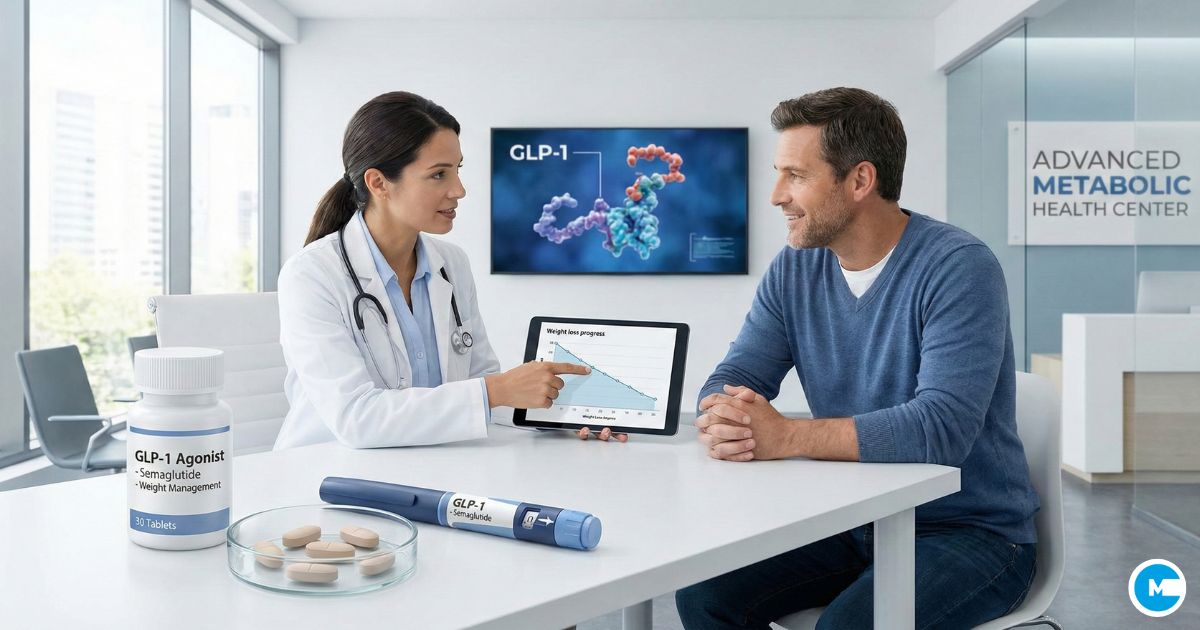
According to Scientific American, the FDA approved Novo Nordisk’s oral GLP-1 medication specifically for weight loss on December 22, 2025. The pill version eliminates injections, making obesity treatment more accessible. Eli Lilly is also developing a competing pill, expanding oral GLP-1 options for patients.
Read Full Report
FDA Approves First GLP-1 Weight Loss Pill
The U.S. Food and Drug Administration approved the first oral GLP-1 medication specifically for weight loss on December 22, 2025, according to Scientific American’s reporting on important health stories for 2026. Novo Nordisk, the manufacturer of injectable Wegovy (semaglutide), received approval for a pill version of the same medication. The company already had Rybelsus, an oral semaglutide pill, approved in 2019 for type 2 diabetes treatment. However, the December 2025 approval marks the first time an oral GLP-1 medication has been cleared specifically for weight management rather than diabetes control. This development addresses a major barrier for many patients: needle phobia and injection reluctance. Blockbuster weight-loss medications like Wegovy and Zepbound (tirzepatide) have been in the news extensively as study after study demonstrated their potential for profound weight loss and treating metabolic, heart, and kidney disease, but all required weekly injections.
GLP-1 (glucagonlike peptide 1) drugs work by mimicking a hormone that regulates appetite and blood sugar levels, helping people feel fuller longer and eat less. According to the J.P. Morgan Healthcare Conference held in January 2026, researchers continue discovering benefits for GLP-1s that extend beyond weight loss, with data showing their ability to help prevent diabetes and reduce cardiovascular risks. Various industry and government leaders called GLP-1s a “strategic investment” in the fight against health risks associated with obesity. Developing and expanding access to GLP-1s could decrease the prevalence of chronic noncommunicable diseases in obese populations and, as a result, lower overall healthcare utilization. The Trump administration announced it had brokered a deal for lower GLP-1 prices for Medicare and Medicaid recipients, which should expand usage significantly, particularly as oral formulations come to market. Scientific American notes it remains to be seen how effective the pill formulations will be compared to injectable versions – absorption through the digestive system differs from subcutaneous injection.
Novo Nordisk isn’t alone in pursuing oral GLP-1 formulations. Eli Lilly, maker of injectable Zepbound, has a pill version in development as well, creating competition that should benefit patients through lower prices and more options. According to J.P. Morgan Healthcare Conference analysts, the pharmaceutical industry sees GLP-1 medications as among the most significant drug developments in decades, with applications expanding beyond obesity and diabetes to cardiovascular protection, kidney disease, and potentially even neurodegenerative conditions. The oral formulation could dramatically expand the patient population willing to use these medications – many people who avoid injections might readily take a daily pill instead.
This FDA approval matters for millions struggling with obesity who avoid injectable medications due to needle phobia, physical limitations, or lifestyle preferences. If you’ve been hesitant about GLP-1 treatments because of injection requirements, oral versions remove that barrier – you can now access these proven weight-loss medications in pill form. However, understand that GLP-1 medications are prescription treatments requiring medical supervision, not casual diet pills. Your doctor needs to evaluate whether you’re a candidate based on your BMI, health conditions, and other factors. The medications work best combined with lifestyle changes – diet improvements and increased physical activity – not as standalone solutions. Common side effects include nausea, diarrhea, and stomach discomfort, particularly when starting treatment. Cost remains a consideration despite Medicare/Medicaid negotiations – check with insurance about coverage. The obesity epidemic affects over 40% of American adults, contributing to heart disease, diabetes, stroke, and certain cancers. Effective medical treatments like oral GLP-1 medications represent powerful tools in addressing this public health crisis, making healthy weight achievement accessible to people who’ve struggled with traditional diet and exercise approaches. Combined with lower prices through government negotiations and elimination of injection requirements, oral GLP-1 medications could help millions achieve healthier weights and reduce their risk of obesity-related diseases.
Public Health Angle: Oral GLP-1 medications eliminate injection barriers, making effective obesity treatment accessible to the 40% of American adults struggling with weight. Combined with government-negotiated lower prices for Medicare/Medicaid recipients, pill formulations could help millions reduce obesity-related disease risks including heart disease, diabetes, and stroke.
SOURCES:
- Scientific American – “7 Important Health Stories We’ll Be Following in 2026” (February 5, 2026)
- J.P. Morgan Healthcare Conference – “Five trends shaping healthcare in 2026“
- FDA – Approval announcement for oral semaglutide for weight loss (December 22, 2025)
- Novo Nordisk – Manufacturer statements on Rybelsus and oral semaglutide formulations
- Eli Lilly – Development pipeline for oral GLP-1 medications
DISCLAIMER: This article is based on verified pharmaceutical news and FDA announcements. According to Scientific American’s February 5, 2026 reporting and J.P. Morgan Healthcare Conference analysis, the FDA approved Novo Nordisk’s oral GLP-1 medication specifically for weight loss on December 22, 2025. All information about the medication’s mechanism, benefits, and future developments comes from credible medical and pharmaceutical industry sources.