
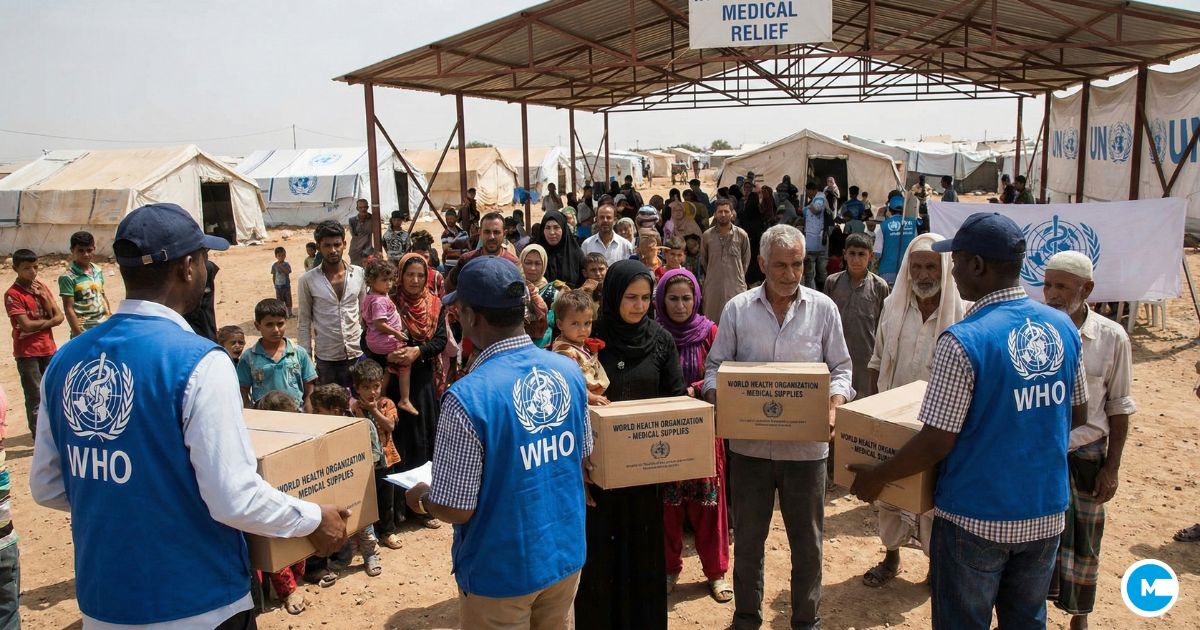
The World Health Organization launched its 2026 appeal seeking nearly $1 billion to help millions in 36 emergencies worldwide. According to WHO Director-General Dr. Tedros, funding will support conflict zones, disaster areas, and humanitarian crises with essential healthcare services.
Read Full Report
Singer and reality TV star Ray J shocked fans in late January 2026 when he revealed his heart is functioning at only 25% capacity following a severe pneumonia hospitalization in Las Vegas. The 45-year-old “One Wish” artist was admitted to a Las Vegas hospital in early January with what doctors initially diagnosed as se
The World Health Organization launched an urgent appeal for nearly $1 billion in February 2026 to provide healthcare to millions of people trapped in conflicts and humanitarian disasters across the globe. According to WHO’s official announcement, the 2026 appeal targets 36 emergencies worldwide, including 14 Grade 3 emergencies requiring the highest level of humanitarian response. These Grade 3 emergencies represent the most severe humanitarian crises where health systems have collapsed and populations face life-threatening conditions. The appeal comes at a critical time when humanitarian funding has fallen to its lowest levels since 2016, creating a dangerous gap between needs and available resources.
WHO Director-General Dr. Tedros Adhanom Ghebreyesus emphasized this isn’t charity but a strategic investment in health and security. “This appeal is a call to stand with people living through conflict, displacement and disaster,” he stated during the launch. “Access to healthcare restores dignity, stabilizes communities and offers a pathway toward recovery.” According to WHO data, funding constraints in 2025 meant the organization could only reach one-third of the 81 million people originally targeted for humanitarian health assistance. Despite these challenges, WHO and partners still supported 30 million people in 2025, delivering vaccinations to 5.3 million children and enabling 53 million health consultations in conflict and disaster zones.
Priority areas for 2026 funding include Afghanistan, Democratic Republic of Congo, Haiti, Myanmar, the occupied Palestinian territory, Somalia, South Sudan, and Syria. According to the appeal document, the funding will support mobile clinics operating in active conflict zones, health facilities in refugee camps, vaccination programs for displaced children, and maternal and child health services in areas where few other organizations can operate safely. Norway’s Deputy Permanent Representative to the UN emphasized WHO’s indispensable role in protecting health and upholding international humanitarian law in complex emergencies.
Global health emergencies affect us all – diseases don’t respect borders, and humanitarian crises create conditions for epidemics that can spread worldwide. When WHO provides vaccinations in conflict zones, they’re not just saving those children – they’re preventing disease outbreaks that could reach other countries. If you want to help, support organizations working in humanitarian health or advocate with your government to maintain humanitarian aid funding. These aren’t distant problems – global health security depends on ensuring everyone, everywhere has access to basic healthcare, especially during emergencies. The people trapped in these 36 crises didn’t choose conflict or disaster, but they deserve medical care, dignity, and hope for recovery just like anyone else.
Public Health Angle: This appeal addresses the critical reality that healthcare access in emergencies isn’t just humanitarian compassion – it’s essential for global health security. Disease outbreaks in conflict zones can spread internationally, making support for WHO’s emergency health operations a matter of protecting health worldwide, not just helping distant populations.vere pneumonia and heart pains. According to TMZ, Ray J received X-rays and an echocardiogram during his hospital stay, which revealed the extent of his cardiac damage. In emotional social media videos, Ray J stated doctors have given him a grim prognosis, claiming “2027 is definitely a wrap for me.”
Heart failure occurs when the heart muscle cannot pump enough blood to meet the body’s needs. According to medical experts, Ray J’s 25% heart function means his heart is only pumping a quarter of the blood it should with each contraction – a condition medically known as severely reduced ejection fraction. This critical state requires intensive medical management and lifestyle changes. Ray J candidly attributed his deteriorating health to years of substance abuse, revealing he consumed “four or five bottles” of alcohol daily and took up to 10 Adderall pills. Medical research shows that chronic alcohol consumption can lead to cardiomyopathy, where the heart muscle weakens and becomes unable to pump blood effectively. The combination of stimulant drugs like Adderall and heavy alcohol use creates enormous strain on the cardiovascular system.
As reported by NBC News, Ray J has been released from the hospital and is focusing on recovery. His sister Brandy and close friends have been supporting him during this difficult period. According to E! Online, this marks Ray J’s second bout with severe pneumonia – he previously battled the illness in 2021 during the COVID-19 pandemic. Ray J remains hopeful about treatment options and has mentioned plans to explore alternative medical interventions. He continues to work on his business ventures, including his Tronix Network streaming platform, while managing his health crisis.
Ray J’s health crisis serves as a powerful warning about the long-term consequences of substance abuse. Heart disease doesn’t discriminate by age – even people in their 40s can develop severe cardiac problems from lifestyle choices. The American Heart Association emphasizes that excessive alcohol consumption and stimulant drug use are major risk factors for heart failure, particularly in younger adults. If you or someone you know struggles with substance abuse, seeking help early can prevent irreversible organ damage. Regular cardiac check-ups are essential, especially for those with history of alcohol or drug use. Remember: your heart health depends on daily choices – moderate alcohol consumption, avoid recreational drugs, maintain healthy diet, and exercise regularly. Ray J’s openness about his struggles can help others recognize warning signs before permanent damage occurs.
Public Health Angle: This case demonstrates how substance abuse – particularly combined alcohol and stimulant drug use – can cause severe, potentially fatal heart damage even in relatively young people. Early intervention, proper medical care, and lifestyle changes are critical for preventing permanent cardiac damage and improving survival rates.
SOURCES:
- World Health Organization (WHO) – Official 2026 Emergency Appeal Document
- Dr. Tedros Adhanom Ghebreyesus, WHO Director-General – Official statements
- WHO 2025 Annual Report – Previous year’s humanitarian health assistance data
- Norway Permanent Mission to UN – Supporting statements on WHO’s role
- WHO Grade 3 Emergency Classifications – Technical documentation
DISCLAIMER: This article is based on the official World Health Organization 2026 Emergency Appeal launched in February 2026. According to WHO’s published appeal document and statements from Director-General Dr. Tedros Adhanom Ghebreyesus, the $1 billion funding target and 36 emergency classifications are accurate. All statistics on 2025 performance and 2026 priorities come from official WHO communications.