
You take your multivitamin. You eat a balanced diet. You’re doing everything “right” for your health. So why is your doctor still checking your vitamin D levels and recommending supplements?
The Critical Role of Vitamin D in Adult Health
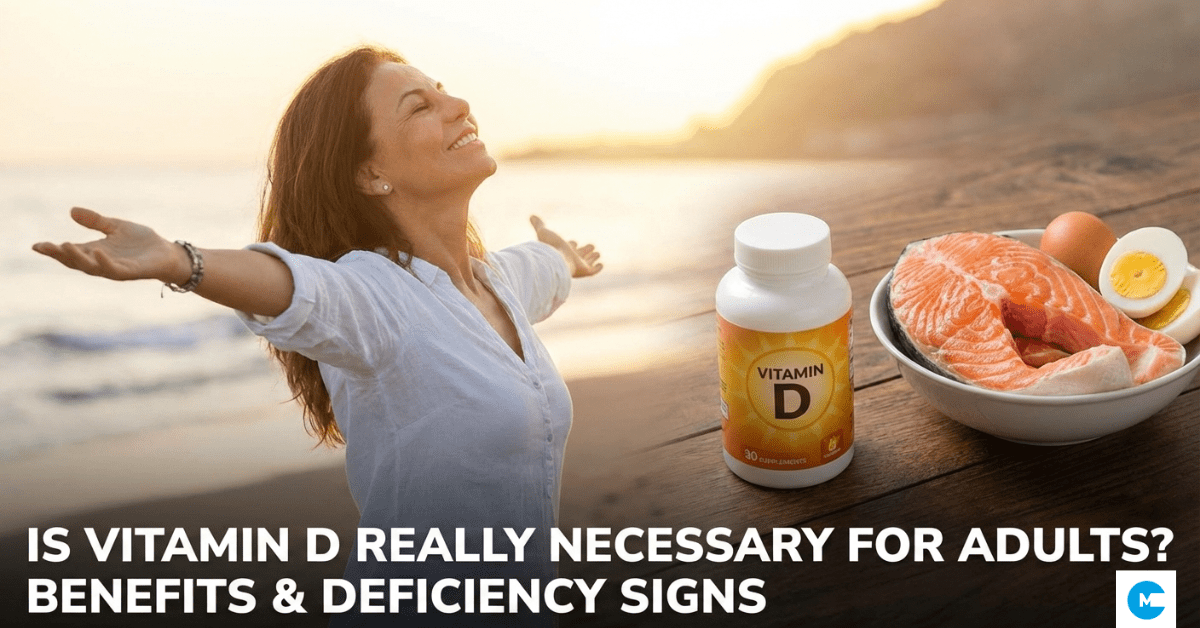
Natural sources of vitamin D include fatty fish, egg yolks, and fortified foods
Vitamin D isn’t just another vitamin. It’s actually a hormone…
The truth is, almost 1 in 4 U.S. adults are considered low in vitamin D, and globally, that number climbs even higher. Despite being called the “sunshine vitamin” and the body’s ability to produce it naturally, vitamin D deficiency has become what some experts call a worldwide pandemic.
So is vitamin D really necessary for adults? The short answer: absolutely. But the longer answer reveals why this seemingly simple vitamin is so crucial—and why so many people aren’t getting enough.
The Critical Role of Vitamin D in Adult Health
Vitamin D isn’t just another vitamin. It’s actually a hormone that plays vital roles throughout your entire body, far beyond what most people realize.
Bone Health and Calcium Absorption
Vitamin D is like calcium’s trusty sidekick, helping it get the job done. Your bones need calcium to stay strong, but without adequate vitamin D, your body can’t absorb that calcium effectively. In fact, when vitamin D levels are very low, you cannot absorb dietary calcium well, regardless of how much calcium you consume.
This is why vitamin D deficiency can lead to osteomalacia in adults—a painful condition where bones become soft and weak, increasing fracture risk. Research shows that vitamin D supplementation of 700-800 IU per day reduces hip fractures by 26% and nonvertebral fractures by 23% in older adults.
Immune System Support
Vitamin D is crucial for immune health, and recent research has reinforced this connection. Studies show that vitamin D supplementation significantly reduces acute respiratory infections, with the greatest benefits seen in people with severe deficiency.
Research increasingly shows vitamin D’s impact on immune system development, and getting too little vitamin D in childhood may boost the risk of autoimmune diseases like multiple sclerosis and cardiovascular disease in adulthood.
Muscle Strength and Function
Vitamin D influences muscle development, which is especially important for older adults. Severe vitamin D deficiency may contribute to an increased risk of falls in older adults due to muscle weakness.
Beyond the Basics
Recent studies suggest vitamin D’s benefits extend even further. Research published in January 2025 emphasizes that vitamin D is vital for brain function, immunity, pregnancy, cancer prevention, and cardiovascular health. While some large trials haven’t shown benefits in vitamin D-replete individuals, observational studies show that serum concentrations above 30 ng/mL significantly lower disease and mortality risks compared to levels below 20 ng/mL.
Signs of Vitamin D Deficiency You Shouldn’t Ignore
The challenge with vitamin D deficiency is that symptoms can be subtle—or entirely absent. Most patients with vitamin D deficiency are asymptomatic, which is why screening is important for at-risk individuals.
However, when symptoms do appear, they may include:
Fatigue and Low Energy
If you’re struggling to get through the day no matter how much you rest, low vitamin D levels could be contributing. Vitamin D helps your cells produce energy, so deficiency can leave you chronically fatigued.
Bone and Muscle Pain
Common manifestations of vitamin D deficiency include symmetric low back pain, proximal muscle weakness, muscle aches, and throbbing bone pain. These symptoms are often dismissed as aging or overexertion, but they can signal inadequate vitamin D.
Mood Changes
Research shows that vitamin D deficiency could contribute to depression, anxiety, or mood swings. Vitamin D elevates serotonin levels in the brain, which is why it’s often nicknamed the “sunshine vitamin” for how it makes you feel.
Frequent Infections
If you’re catching every cold going around the office, vitamin D deficiency might be weakening your immune system. People without adequate vitamin D levels are at increased risk of infections.
Slow Wound Healing
Low vitamin D affects your body’s natural recovery processes by interfering with the production of compounds critical to new skin formation.
Other Subtle Signs
Additional symptoms can include difficulty losing weight, hair loss, increased blood pressure, and dental problems like cavities and gum inflammation.
Sunlight vs. Supplements: What’s the Best Source?
The vitamin D debate often centers on one question: Should you get it from sunshine or supplements?
The Sunlight Solution
Sunlight is unarguably the most optimal way to obtain vitamin D. It’s free, and your body self-regulates production, making toxicity virtually impossible from sun exposure alone.
How much sun do you need? In spring and summer, 8-10 minutes of midday sun exposure to 25% of the body produces the recommended amount of vitamin D for light-skinned individuals. However, in Boston from April to October, just 3-8 minutes at noon with 25.5% of body surface exposed would synthesize 400 IU of vitamin D for someone with type III skin.
But there’s a catch. UVB radiation required for sufficient vitamin D synthesis is best absorbed between 10 AM and 4 PM, at least twice weekly, with 5-30 minutes of sun exposure to arms and legs.
The Sunlight Limitations
Several factors complicate relying solely on sun exposure:
Season and Location: In winter in Boston, you’d need more than 2 hours of midday sun to produce sufficient vitamin D—impractical in cold weather with minimal exposed skin.
Skin Tone: People with darker skin need more time in the sun than those with lighter skin to produce the same amount of vitamin D. Non-Hispanic Black people generally have higher rates of vitamin D deficiency.
Sunscreen: High-SPF sunscreens filter out most UVB radiation, which reduces vitamin D production. However, dermatologists emphasize you should never skip sunscreen to boost vitamin D.
Skin Cancer Risk: Under no circumstances can tanning or tanning bed use be justified for vitamin D. Even the recommended 10-15 minutes of unprotected sun exposure provides enough time for DNA damage that increases skin cancer risk.
The Supplement Solution
Supplements are a simple way to increase your vitamin D level without sun damage. Most experts now agree this is the safest route.
The National Institutes of Health recommends 15 mcg (600 IU) daily for adults ages 1-70, and 20 mcg (800 IU) daily for adults over 70. However, recent research suggests daily supplementation with 2,000 IU (50 mcg) of vitamin D3 can prevent diseases and deaths, with some studies indicating 4,000-6,000 IU daily may provide greater protection for achieving serum levels of 40-70 ng/mL.
Safe Intake Advice: How Much Do You Really Need?
Understanding safe vitamin D intake is crucial for avoiding both deficiency and toxicity.
Recommended Levels
Vitamin D sufficiency is defined as a serum 25-hydroxyvitamin D level greater than 30 ng/mL. Insufficiency falls between 20-30 ng/mL, and deficiency is below 20 ng/mL.
The recommended dietary allowance is 600 IU for young adults. For those with diagnosed deficiency, doctors may prescribe higher doses temporarily.
Food Sources
While sunlight and supplements are primary sources, some foods naturally contain or are fortified with vitamin D:
- Fatty fish (salmon, tuna, mackerel)
- Egg yolks
- Fortified milk and plant-based milks
- Fortified cereals and orange juice
- Mushrooms exposed to UV light
However, very few foods naturally contain significant amounts of vitamin D, making supplementation often necessary.
Upper Limits and Safety
Do not take more than 100 micrograms (4,000 IU) of vitamin D daily as it could be harmful. Toxicity has been reported when serum levels exceed 88 ng/mL, potentially causing hypercalcemia.
A vitamin D supplement doesn’t cause many adverse effects at recommended doses. What you don’t use, your body typically urinates out, making overdose difficult unless taking massive doses.
Who Needs Extra Attention?
Almost 1 in 4 people have vitamin D levels that are too low or inadequate. Certain groups are at higher risk:
- Older adults (skin produces less vitamin D with age)
- People with dark skin
- Those who spend limited time outdoors
- People with obesity (BMI over 30)
- Individuals with malabsorption disorders (celiac disease, inflammatory bowel disease)
- Breastfed infants (breast milk doesn’t provide adequate vitamin D)
The Bottom Line: Yes, Vitamin D Is Essential
So, is vitamin D really necessary for adults? The evidence overwhelmingly says yes.
Vitamin D offers numerous under-recognized health benefits beyond bone health, playing vital roles in immunity, brain function, cardiovascular health, and potentially cancer prevention. While supplementation of already vitamin D-replete adults may not provide additional benefits, vitamin D deficiency should always be corrected.
Given modern lifestyles, geographic limitations, and skin cancer concerns, supplements remain the safest way to maintain adequate vitamin D levels. Combined with sensible sun exposure (with appropriate protection) and vitamin D-rich foods, supplementation ensures you’re getting what your body needs without unnecessary risks.
Talk to your healthcare provider about testing your vitamin D levels, especially if you have risk factors for deficiency. A simple blood test can determine whether you need supplementation and at what dose. Remember: vitamin D isn’t optional—it’s essential for your health, now and for years to come.
Take Action for Your Health
Don’t leave your vitamin D levels to chance. Schedule an appointment with your healthcare provider to:
- Get your vitamin D levels tested through a simple blood test
- Discuss whether supplementation is right for you
- Determine the appropriate dosage based on your individual needs
- Create a personalized plan combining safe sun exposure, diet, and supplements
Your bone health, immune function, and overall wellbeing depend on adequate vitamin D. Take control today—your future self will thank you.