
This article has been prepared by Dr. Vikram Singh, an accomplished Specialist Cardiologist at Aster DM Healthcare, Dubai, who specializes in preventive cardiology and has helped countless patients safeguard their heart health through evidence-based medical guidance.
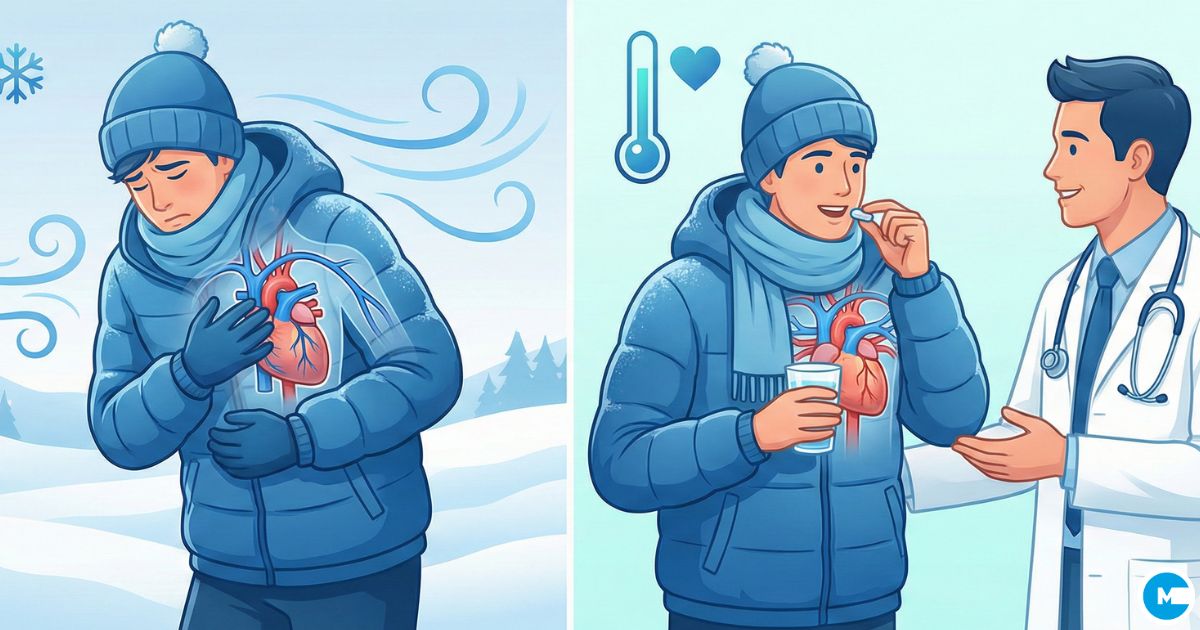
Every winter, headlines warn that heart attacks increase during cold weather. News reports and public discussions often suggest that winter itself causes heart attacks. This creates fear, especially among elderly people and those already living with heart disease.
In reality, winter does increase the risk, but the danger is often exaggerated. Cold weather does not create heart disease; it triggers heart attacks in people who already have risk factors.
The Seasonal Pattern of Heart Attacks
Studies from many countries clearly show that heart attacks are more common in winter than in summer. Large population studies have shown an increase of about 10–30% in heart attacks and heart-related deaths during winter months.
This rise is seen even in places where winters are not very severe, suggesting that the risk is not due to cold alone but also to seasonal changes in the body and daily habits.
Why Winter Increases Cardiovascular Risk
Several changes during winter put extra stress on the heart:
1. Cold Raises Blood Pressure
Cold weather causes blood vessels to narrow, which raises blood pressure and makes the heart work harder. This increased strain can trigger a heart attack in people with blocked heart arteries.
2. Blood Becomes More Likely to Clot
During winter, people often drink less water and become mildly dehydrated. This makes the blood thicker and more likely to form clots that can block heart arteries.
3. Higher Risk in Early Mornings
Heart attacks occur more frequently in the early morning hours. Cold winter mornings further increase blood pressure and heart rate, making this time particularly dangerous.
4. More Infections in Winter
Flu and chest infections are common in winter. These infections cause inflammation in the body and can disturb fatty plaques in blood vessels, increasing the risk of heart attacks.
5. Sudden Physical Effort in Cold Weather
Sudden heavy work—such as snow shoveling or rushing outdoors in cold weather—puts sudden strain on the heart and can act as a trigger for heart attacks.
Medication Non-Adherence and Missed Follow-Up During Winter
A major but often ignored reason for more heart attacks in winter is skipping medicines and doctor visits.
Many patients with heart disease avoid hospital visits because of cold weather, travel difficulty, or fear of infections. Others delay refilling medicines or take them irregularly. Studies have shown that missing heart medicines significantly increases the risk of heart attacks and heart-related deaths.
This risk becomes even higher in winter, when the heart is already under additional stress.
Is the Risk Uniform Across the Population?
The winter increase in heart attacks does not affect everyone equally. Higher risk is seen in:
- Elderly people
- Patients with known heart disease
- People with high blood pressure or diabetes
- Smokers
- Sedentary individuals
- Patients who skip medicines or follow-up visits
Healthy young people without heart problems have a much lower risk, even during winter.
Where the Exaggeration Arises
The exaggeration comes from blaming winter as the direct cause of heart attacks. Cold weather does not suddenly block heart arteries. Instead, it exposes existing weakness in the heart and blood vessels.
Winter should be viewed as a stress test for the heart, not the root cause of disease.
Preventive Measures During Winter
Simple steps can greatly reduce risk:
- Take heart medicines regularly without skipping
- Do not miss follow-up visits
- Keep blood pressure and sugar under control
- Avoid sudden heavy work in cold weather
- Warm up before activity
- Drink enough water
- Take flu vaccination
- Dress warmly, especially in early mornings
Conclusion
Heart attacks do increase during winter, but the risk is often overstated. Winter does not cause heart disease; it triggers heart attacks in people who already have risk factors, especially when medicines and follow-up are neglected.
Winter is a stress test for the heart, not a death sentence.
With proper care, regular treatment, and sensible precautions, most winter-related heart attacks can be prevented.