
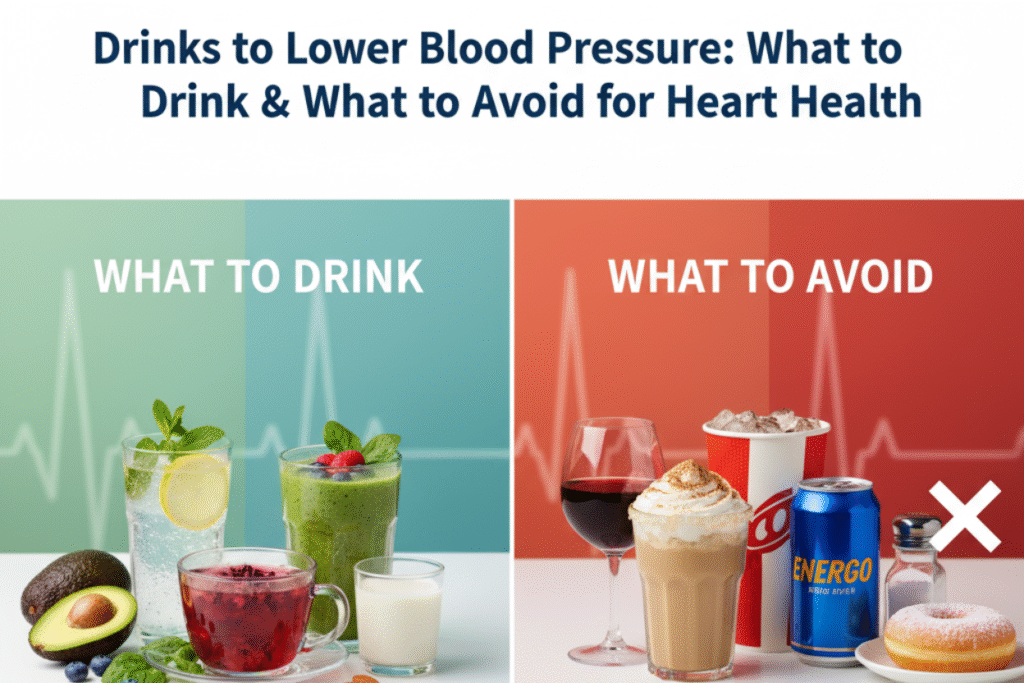
Managing blood pressure is one of the most important steps you can take for cardiovascular health. While medication and lifestyle changes like exercise and diet modifications are essential, many people don’t realize that their beverage choices can significantly impact blood pressure levels. This comprehensive guide explores the best drinks to lower blood pressure naturally, which beverages to avoid, and how to create a heart-healthy drinking plan.
Understanding Blood Pressure and How Drinks Affect It
What Is Blood Pressure and Why Does It Matter?
Blood pressure measures the force of blood pushing against artery walls as your heart pumps. Normal blood pressure is 120/80 mm Hg (systolic/diastolic), and when blood pressure exceeds 140/90 mm Hg, this is termed high blood pressure or hypertension. High blood pressure affects approximately one billion people worldwide and is a major risk factor for heart disease, stroke, and kidney failure.
How Drinks to Lower Blood Pressure Work in Your Body
While not magic elixirs, some drinks like beet juice and skim milk may help keep numbers down. Beverages influence blood pressure through multiple mechanisms, including their effects on blood vessel function, inflammation, and fluid balance. The nutrients in certain drinks can help relax blood vessels, reduce oxidative stress, and support healthy cardiovascular function.
The Role of Potassium, Nitrates, and Antioxidants in Blood Pressure Control
Potassium works with your kidneys to excrete sodium and remove it from your system. Dietary nitrates, found abundantly in beet juice, convert to nitric oxide in the body, which helps blood vessels relax and widen. Antioxidants like anthocyanins and polyphenols combat oxidative stress and inflammation, both of which contribute to high blood pressure.
Best Drinks to Lower Blood Pressure Naturally
Water: The Foundation of All Drinks to Lower Blood Pressure
The National Institutes of Health (NIH) found a strong association between hypertension status and hydration parameters in a study released in 2022. Proper hydration is fundamental to blood pressure management. When you’re dehydrated, sodium levels in your blood typically rise, and your system responds by releasing more of a hormone called vasopressin, which works to help your body hang on to water and can cause your blood vessels to tighten, or constrict, which makes your blood pressure rise.
How Much Water Should You Drink Daily for Healthy Blood Pressure?
Public health agencies generally recommend that people with healthy hearts and kidneys consume 2.7 to 3.7 liters of water per day. Your individual needs may vary based on factors including age, gender, body weight, activity level, and climate. You should aim to drink one-third of your body weight in ounces of liquids, so if you’re 150 pounds, you should drink 50 ounces of fluids every day.
Adding Lemon to Water for Additional Blood Pressure Benefits
Lemon ingestion and walking regularly are a benefit for high blood pressure in studies, as lemon contains antioxidants and Vitamin C which are protective of the heart. However, it’s important that lemon intake should be unsalted and unsweetened, as excessive salt intake can increase blood pressure.
Beet Juice: The Most Effective of All Drinks to Lower Blood Pressure
How Beet Juice Lowers Blood Pressure Through Nitrates
A randomized pilot study from 2016 found that the juice of both raw and cooked beets improved blood pressure, but raw beet juice had a greater impact on blood pressure. Beets are rich in dietary nitrates, a compound known to have blood pressure-lowering effects, and in a 2017 review, researchers found that these benefits were greater than the effects of nitrates alone, meaning other heart-friendly compounds are likely at play as well.
Best Ways to Consume Beet Juice for Maximum Benefits
Raw or roasted, you can blend beets into a juice yourself, or you can buy beetroot juice at the grocery store. For maximum benefits, choose raw beet juice or juice made from raw beets, as it appears to be more effective than cooked beet juice.
How Quickly Can Beet Juice Lower Blood Pressure?
A new small randomized double-blind crossover study published in Free Radical Biology and Medicine links beetroot juice consumption with lowered blood pressure in older adults. The study involved drinking beet juice twice daily over multiple two-week trial periods, with researchers finding blood pressure reductions primarily in older adults.
Low-Fat and Skim Milk as Drinks to Lower Blood Pressure
Why Skim Milk Is One of the Best Drinks to Lower Blood Pressure
Milk contains important nutrients your body needs, such as potassium, calcium, and magnesium—all of which play an important role in bone mineral density and maintaining healthy blood pressure. New research strongly suggests that drinking low-fat milk over a period of weeks has a blood pressure lowering effect in middle aged, overweight adults.
The DASH Diet Connection: Dairy for Blood Pressure Control
Skim milk is a low-fat dairy option that may help manage blood pressure as part of the Dietary Approaches to Stop Hypertension (DASH) diet. The DASH diet emphasizes low-fat dairy products as a key component of its blood pressure-lowering approach.
How Much Low-Fat Milk to Drink for Heart Health
While these studies did not examine the effects of drinking full-fat milk, the DASH eating plan recommends sticking to low-fat or fat-free choices. Including two to three servings of low-fat dairy daily as part of the DASH diet can contribute to blood pressure reduction.
Heart-Healthy Teas Among Drinks to Lower Blood Pressure
Hibiscus Tea: The Most Effective Tea to Lower Blood Pressure
Hibiscus tea contains the antioxidant anthocyanin, and a small amount of research shows that drinking 2 cups of hibiscus tea every day for at least 2 weeks can help lower blood pressure. Research suggests it can take effect in as little as 1.5 hours, meanwhile other studies saw no effect up to 4 hours after drinking it, which might be due to the variation in the amount of anthocyanins in each cup.
Green Tea and Black Tea for Blood Pressure Management
The result showed that those who drank at least 120 mL/day (half a cup) of moderate-strength green or oolong tea for a year, had a 46% lower risk of developing hypertension than the non-tea drinkers, and amongst those who drank 120 to 599 mL/day (two and a half cups), the risk of high blood pressure was reduced by 65%. A 2023 research review found that drinking green tea daily lowered both systolic and diastolic blood pressure.
Chamomile Tea and Other Herbal Options for Hypertension
While hibiscus and green tea have the strongest research support, other herbal teas may provide modest benefits through their antioxidant content and calming effects. However, more research is needed to confirm their specific blood pressure-lowering properties.
Fruit and Vegetable Juices as Drinks to Lower Blood Pressure
Tomato Juice: A Sodium-Free Option to Lower Blood Pressure
Growing evidence suggests that drinking one glass of tomato juice per day may promote heart health, as a 2019 study found Japanese researchers evaluated the effects of drinking an average of one cup of tomato juice per day among participants with risk factors for heart disease, and they concluded that tomato juice improved both systolic and diastolic blood pressure, as well as LDL cholesterol. Most commercial tomato juices are high in added sodium, which can raise blood pressure, so always read the bottle’s label to make sure the tomato juice you’re buying is free of added salt.
Pomegranate Juice and Its Antioxidant Power
Quantitative data synthesis from 8 RCTs showed significant reductions in both systolic blood pressure (weighted mean difference: −4.96 mmHg) and diastolic BP (−2.01 mmHg) after pomegranate juice consumption. Pomegranate juice also contains anthocyanins and may interact with an enzyme that plays an important role in regulating blood pressure, and small studies showed that people who drank pomegranate juice daily for at least 2 weeks lowered their blood pressure.
Berry Juices: Cranberry, Cherry, and Blueberry for Heart Health
Berry, especially blueberry, cranberry or cherry can have positive effects on cardiovascular health as they contain antioxidants, and consuming berry leads to the lowering of BP and LDL cholesterol, although further studies are needed to prove associations. Berry juices provide polyphenols and other compounds that support cardiovascular function.
Other Beneficial Drinks to Lower Blood Pressure
Prune Juice and Potassium-Rich Drinks to Lower Blood Pressure
Prune juice and other fruit juices high in potassium can help lower blood pressure by supporting sodium excretion through the kidneys. However, be mindful of sugar content and choose 100% juice options without added sugars.
Smoothies with Heart-Healthy Ingredients
Smoothies combining fruits, vegetables, low-fat dairy, and other blood pressure-friendly ingredients can provide multiple beneficial nutrients in one drink. Focus on ingredients like berries, spinach, beets, low-fat yogurt, and bananas for maximum benefit.
Kombucha and Probiotic Drinks for Blood Pressure Control
While emerging research suggests gut health may influence blood pressure, more studies are needed to confirm whether kombucha and other probiotic beverages directly lower blood pressure. These drinks can be part of an overall healthy diet but shouldn’t replace proven blood pressure-lowering beverages.
Drinks to Avoid with High Blood Pressure
Why Alcohol Raises Blood Pressure and What to Know
A study found a strong and graded association between alcohol intake and blood pressure, with the difference in systolic and diastolic blood pressure in the groups with low and high alcohol intake being about 11 and 7 mmHg, respectively. The effect was similar for various types of alcoholic beverages (red wine, white wine, beer, and spirits). If you choose to drink alcohol, it’s best to do so in moderation, as alcohol can raise your blood pressure by temporarily restricting blood flow and may interact with some blood pressure medicines.
The Truth About Coffee and Drinks to Lower Blood Pressure
Caffeine appears to create a temporary spike in blood pressure, but this effect may not be significant according to research from 2017, which showed that people with high blood pressure may be able to safely drink coffee, but the study recommends people exercise some caution when consuming the drink. According to the same 2017 literature review, moderate coffee consumption is safe, and perhaps even beneficial for both healthy people and those with high blood pressure.
Energy Drinks and Their Dangerous Effect on Blood Pressure
In total, 27 healthy children and adolescents were included in the present study, and compared to placebo intake, mean systolic blood pressure was demonstrated to be up to 5.23 mmHg increased and mean diastolic blood pressure up to 3.29 mmHg increased after energy drink consumption. Energy drink consumption has been associated with cardiac arrest, myocardial infarction, spontaneous coronary dissection, and coronary vasospasm.
Sugary and Caffeinated Drinks That Raise Blood Pressure
How Soda and Sweetened Beverages Increase Blood Pressure
Soda and other soft drinks are loaded with sugars, which is a risk factor for high blood pressure and heart disease, and cold drinks also contain sugar in large amounts. Sugar-sweetened beverages contribute to weight gain, insulin resistance, and increased blood pressure through multiple mechanisms.
The Hidden Sodium in Popular Drinks That Raise Blood Pressure
Many commercially prepared drinks contain hidden sodium that can contribute to elevated blood pressure. Sports drinks, vegetable juices, and even some bottled teas may contain significant amounts of sodium. Always check nutrition labels carefully.
Diet Sodas: Are They Better or Worse for Blood Pressure?
While diet sodas don’t contain sugar, the evidence on their impact on blood pressure is mixed. Some studies suggest artificial sweeteners may have metabolic effects, and the caffeine content can temporarily raise blood pressure. Water and other natural beverages remain the healthiest choices.
Grapefruit Juice: Special Considerations for Blood Pressure Medications
Can Grapefruit Juice Be One of Your Drinks to Lower Blood Pressure?
Grapefruit contains potassium, lycopene, fiber, and other natural plant nutrients that help lower blood pressure. However, the interaction concerns often outweigh potential benefits for those on medication.
Dangerous Drug Interactions with Grapefruit Juice
Grapefruit juice can block the action of enzymes and transporters, causing too much or too little drug in the body, and as shown, grapefruit juice can block the action of these enzymes, increasing the amount of drug in the body and may cause more side effects. A single glass can produce a 47% reduction of the intestinal enzyme that regulates absorption, and because this effect of the juice wears off slowly, a third of its impact is still evident after 24 hours.
Which Blood Pressure Medications Interact with Grapefruit?
Some drugs that treat high blood pressure, such as Procardia and Adalat CC (both nifedipine) interact with grapefruit juice. Examples include medicines for high blood pressure like felodipine (one brand: Plendil), nifedipine (one brand: Procardia), and nisoldipine (one brand: Sular). Interactions can happen up to three days after eating or drinking grapefruit, meaning you cannot drink grapefruit juice in the morning and take your medications later in the day to stop possible medicine interactions.
Creating Your Daily Beverage Plan with Drinks to Lower Blood Pressure
How to Build a Blood Pressure-Friendly Drink Schedule
Start your day with water to rehydrate after sleep. Include hibiscus or green tea in the morning or afternoon. Have a glass of low-fat milk or a serving of no-salt-added tomato juice with meals. Drink beet juice or pomegranate juice as a mid-morning or afternoon beverage. Stay hydrated with water throughout the day, aiming for your target fluid intake.
Combining Multiple Drinks to Lower Blood Pressure Effectively
You don’t need to choose just one blood pressure-lowering drink. A varied approach ensures you get different beneficial nutrients and compounds. For example, you might have green tea in the morning, tomato juice with lunch, and a small glass of pomegranate juice in the evening, along with water throughout the day.
Tracking Your Beverage Intake and Blood Pressure Changes
Keep a log of what you drink and your blood pressure readings to identify patterns. This can help you understand which beverages work best for you and maintain accountability. Share this information with your healthcare provider to optimize your blood pressure management plan.
Tips for Choosing the Best Drinks to Lower Blood Pressure
Reading Labels: Avoiding Added Sugar and Sodium in Drinks
Always check nutrition labels for added sugars and sodium content. Choose 100% juice without added sugars when possible. Look for “no salt added” versions of vegetable juices. Be aware that serving sizes on labels may be smaller than what you actually drink.
Homemade vs. Store-Bought Drinks to Lower Blood Pressure
Homemade versions of beet juice, smoothies, and flavored water give you complete control over ingredients. However, store-bought options can be convenient if you choose wisely. Look for products with minimal ingredients and no artificial additives.
Portion Control: How Much of These Drinks to Consume Daily
While these beverages offer benefits, moderation is key. Fruit juices contain natural sugars that add calories. Stick to recommended serving sizes, typically 4-8 ounces for juices. Balance beneficial drinks with plenty of water to meet your hydration needs without excess calories.
The DASH Diet and Drinks to Lower Blood Pressure
How the DASH Diet Incorporates Drinks to Lower Blood Pressure
The DASH diet reduced systolic blood pressure by 6 mm Hg and diastolic blood pressure by 3 mm Hg in patients with high normal blood pressure, and those with hypertension dropped by 11 and 6 mm Hg, respectively. The DASH eating plan encourages eating vegetables, fruits, whole grains, fat-free or low-fat dairy, fish, poultry, beans, nuts and seeds, vegetable oils, while limiting fatty meats, full-fat dairy, sugar sweetened beverages, sweets, and sodium intake.
Sample DASH Diet Beverage Plan for a Week
Daily: 8-10 glasses of water, 2-3 servings of low-fat milk or yogurt 3-4 times weekly: Green or hibiscus tea, 4-8 oz of no-salt-added tomato juice 2-3 times weekly: 4-8 oz of beet juice or pomegranate juice Limit: Alcohol to no more than 1-2 drinks daily for men, 1 drink for women; minimize or avoid sugary drinks and energy drinks
Combining Diet and Drinks for Maximum Blood Pressure Reduction
Compared to a standard diet, adults who follow DASH without altering sodium intake can lower their blood pressure within weeks, and study participants who reduced their sodium intake from 3,450 mg to 2,300 mg or less per day had even greater reductions. Combining blood pressure-lowering drinks with the DASH diet creates a powerful approach to managing hypertension.
Frequently Asked Questions About Drinks to Lower Blood Pressure
What Is the Best Drink to Lower Blood Pressure Quickly?
Based on research, beet juice appears to have the most immediate and significant effect on blood pressure, with some studies showing benefits within hours. Hibiscus tea also shows relatively quick action. However, consistency is more important than quick fixes for long-term blood pressure management.
Can Drinks to Lower Blood Pressure Replace Medication?
No, beneficial drinks should complement, not replace, prescribed blood pressure medications. Always consult your healthcare provider before making changes to your medication regimen. These drinks work best as part of a comprehensive approach including medication (if prescribed), diet, exercise, and stress management.
How Long Does It Take for Drinks to Lower Blood Pressure?
The timeline varies by beverage and individual. Some effects can be seen within hours to days, while long-term benefits develop over weeks to months of consistent consumption. Research suggests drinking hibiscus tea for at least 2 weeks, pomegranate juice for 2 weeks or more, and green tea daily for several weeks to months for optimal results.
Conclusion: Making Smart Choices with Drinks to Lower Blood Pressure
Managing blood pressure through beverage choices is a practical and evidence-based approach to supporting cardiovascular health. The research clearly shows that certain drinks can make a meaningful difference in blood pressure levels. Beet juice, hibiscus tea, green tea, low-fat milk, tomato juice, and pomegranate juice all have solid scientific support for their blood pressure-lowering effects.
Equally important is avoiding beverages that raise blood pressure, including energy drinks, excessive alcohol, sugar-sweetened sodas, and drinks high in sodium. For those on blood pressure medications, being aware of grapefruit juice interactions is crucial for safety.
The most effective approach combines these beneficial drinks with adequate water intake, the DASH diet, regular physical activity, stress management, and prescribed medications when necessary. Small, consistent changes in your daily beverage choices can contribute to significant improvements in blood pressure over time.
Remember that while drinks can support blood pressure management, they work best as part of a comprehensive lifestyle approach. Always consult with your healthcare provider before making significant dietary changes, especially if you’re on blood pressure medication or have other health conditions.